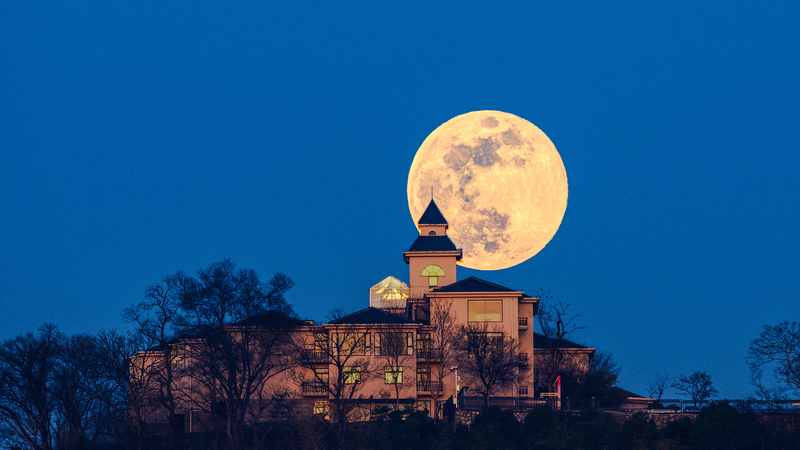
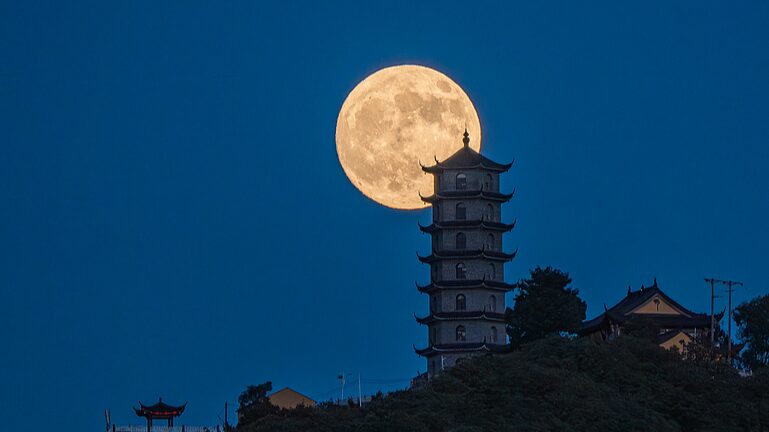
The first lunar spectacle of 2026 captivated millions across Asia last night as the Wolf Supermoon illuminated skies with exceptional brightness. Appearing 14% larger and 30% brighter than a typical full moon, this celestial phenomenon marked the culmination of an unusual four-month supermoon sequence that began in October 2025.
Astronomers confirm this January 3 event was the final installment in a rare quartet of consecutive supermoons, occurring when our lunar neighbor reaches perigee – its closest orbital approach to Earth at approximately 356,500 kilometers. The next supermoon is projected for November 24, 2026, according to celestial tracking data.
Cultural observers note the Wolf Moon's traditional significance in Asian folklore, often associated with winter's peak and community storytelling traditions. In Japan, amateur astronomy groups organized nighttime viewing parties, while Chinese social media platforms saw #WolfMoon2026 trend with over 2 million posts within six hours.
Dr. Mei Ling, astrophysicist at the Beijing Planetarium, told KhabarAsia: "This supermoon series provided unique opportunities for public engagement with astronomy. The 2026 sequence's unusual frequency helps demonstrate orbital mechanics in action."
With clear skies reported across most of Asia, photographers captured stunning images of the moon rising behind landmarks from the Petronas Towers to the Great Wall. Tourism analysts report increased interest in dark-sky destinations like Mongolia's Gobi Desert for future celestial events.