Incident Overview: A Micrometeoroid Crisis in Orbit
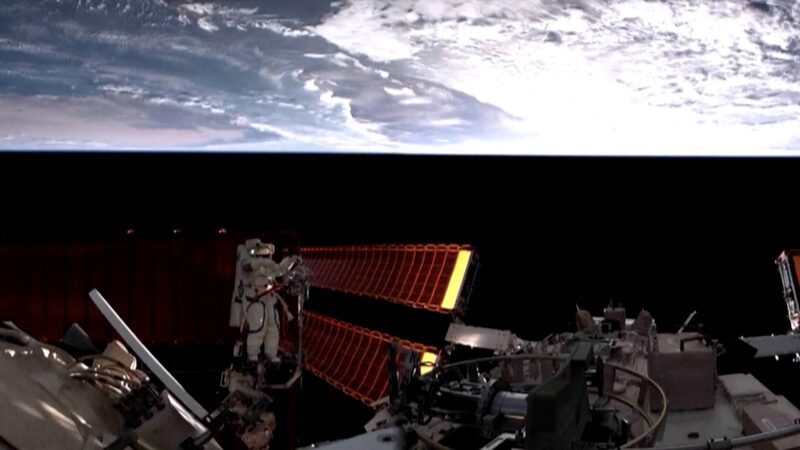
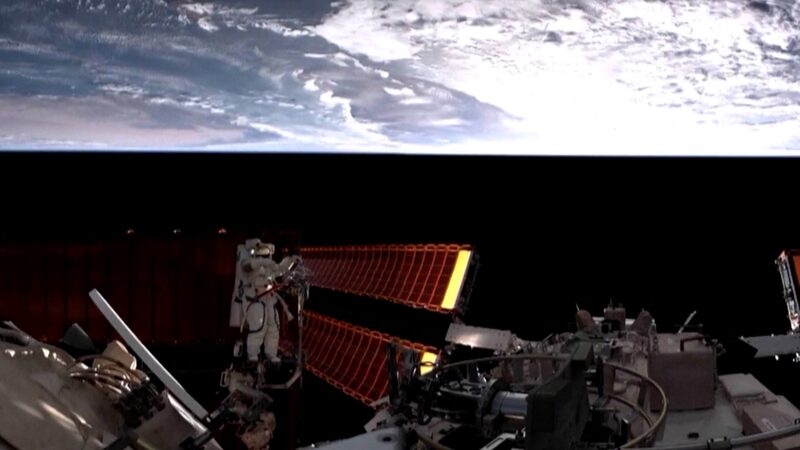
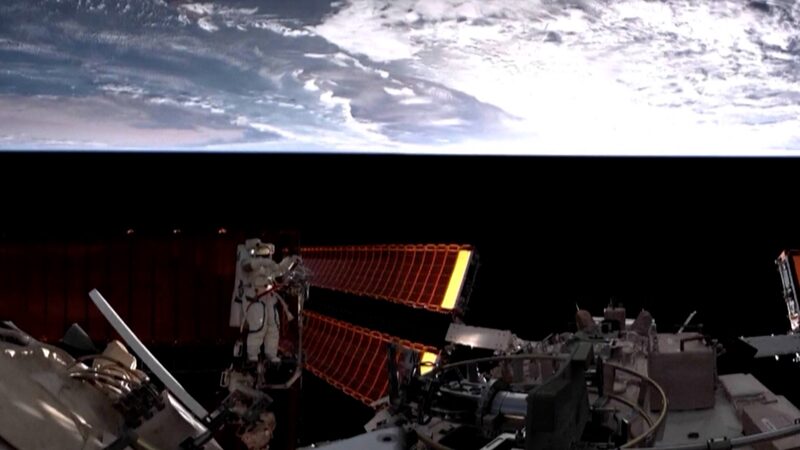
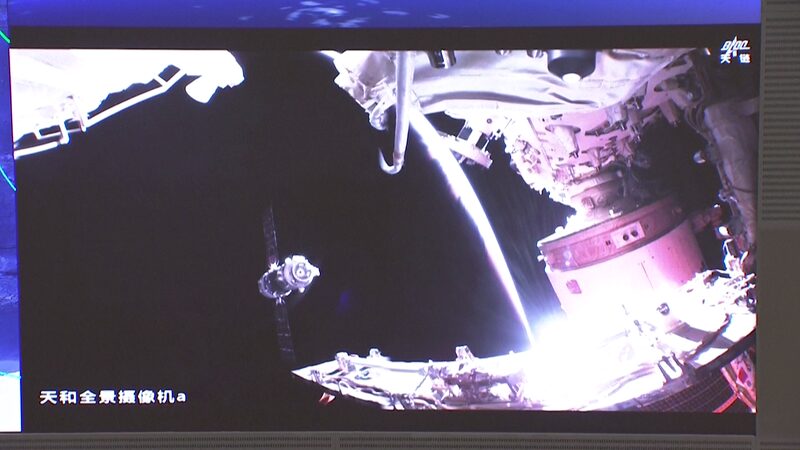
On November 4, 2025, China's space program faced its most critical test when astronauts discovered a penetrating crack in Shenzhou-20's thermal protection window during return preparations. The China Manned Space Engineering Office confirmed the damage resulted from a micrometeoroid impact, marking the first emergency requiring rapid crew evacuation from the Chinese Space Station.
Emergency Protocol Activation
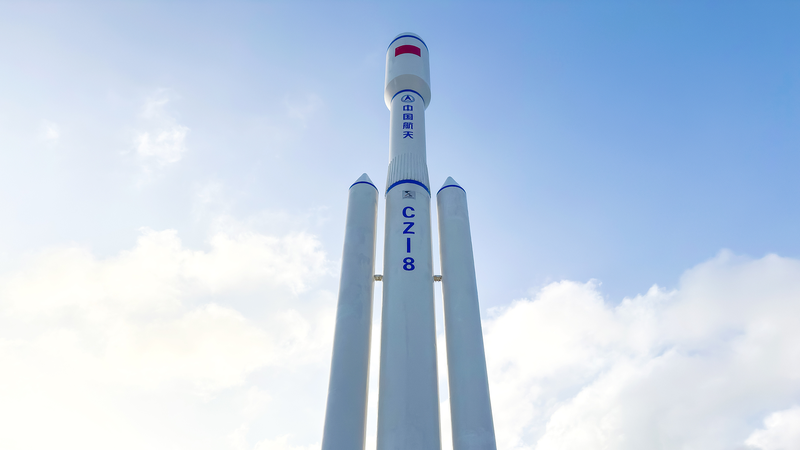
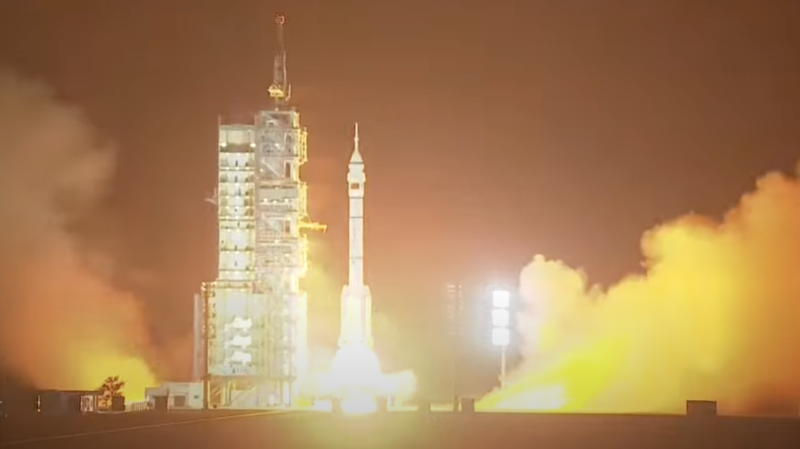
Within 72 hours of detection, mission controllers activated contingency plans, compressing the standard 45-day launch cycle to 16 days for backup spacecraft Shenzhou-22. This unprecedented mobilization involved parallel processing of rocket assembly and systems checks across three daily shifts at Jiuquan Satellite Launch Center.
Crew Recovery Operations
The Shenzhou-20 crew safely returned using the docked Shenzhou-21 spacecraft after nine days of emergency preparations. Astronauts reconfigured seating and conducted adaptation tests before executing a pioneering 3-circle rapid re-entry, landing safely in Inner Mongolia on November 14.
Next-Generation Space Resilience
The unmanned Shenzhou-22 not only delivered critical supplies but also demonstrated China's new 'rolling backup' strategy, with Shenzhou-23 already in production during the crisis. This incident has reshaped international protocols for orbital emergency response.