A spokesperson for the Chinese mainland reiterated on Wednesday that the Taiwan region's Democratic Progressive Party (DPP) authorities' attempts to erase cultural and historical ties with the mainland are destined to fail, citing growing public discontent revealed in recent polls.
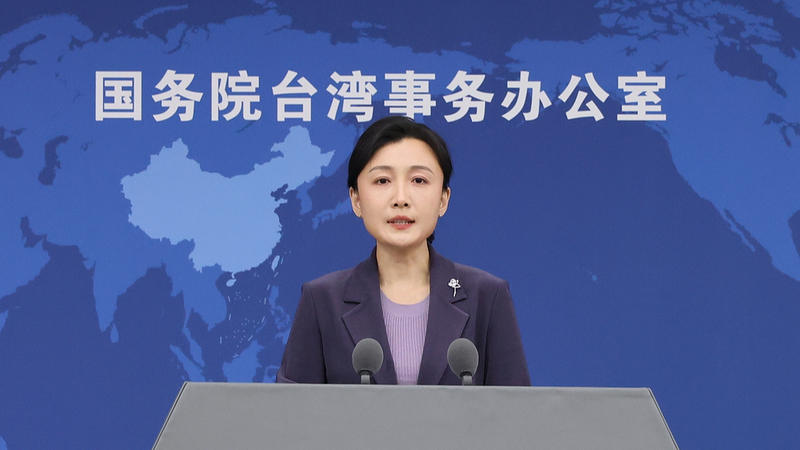
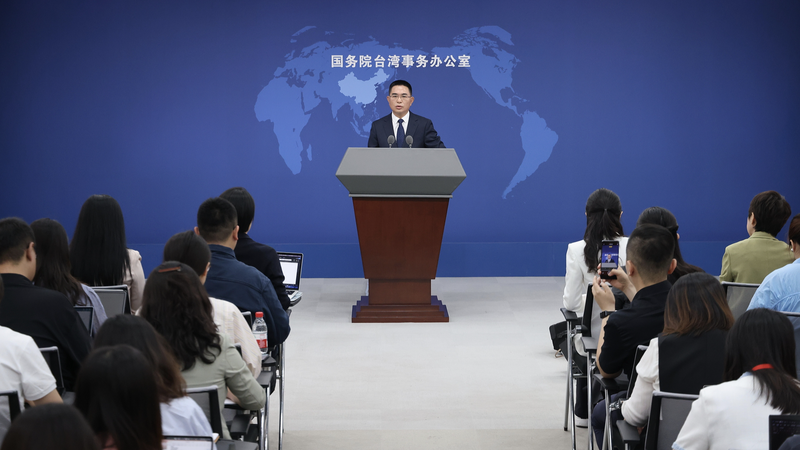
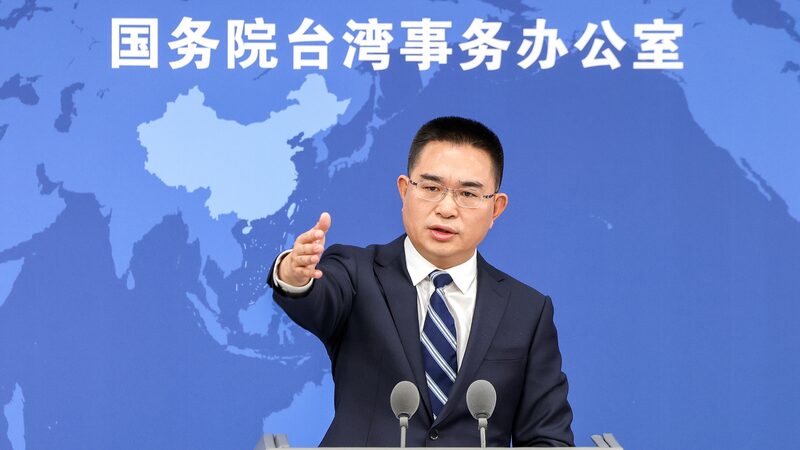
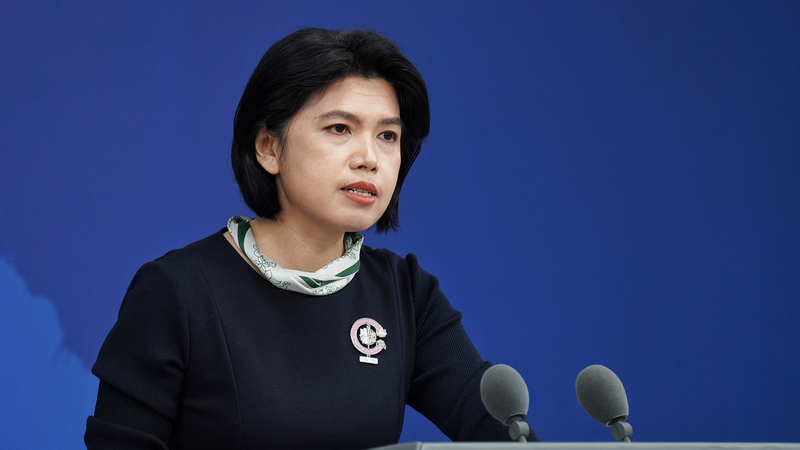
Zhang Han of the State Council's Taiwan Affairs Office criticized the DPP's political maneuvers during a press conference, responding to remarks by Cheng Li-wun, leader of the Chinese Kuomintang (KMT). Cheng had highlighted the social pressure faced by Taiwan students identifying as Chinese, attributing this to decades of DPP-led 'de-sinicization' efforts.
'Compatriots on both sides of the Taiwan Strait share an unbreakable bond through history, culture, and bloodline,' Zhang stated, emphasizing that cross-strait unity remains a legal and cultural reality. She warned that the DPP's actions to 'distort national identity' among youth and 'muddle historical memories' are causing irreversible harm to Taiwan society.
The comments follow polling data showing over 50% of Taiwan residents distrust the DPP's governance capabilities, citing concerns over political infighting, alleged corruption, and escalating cross-strait tensions. Zhang noted the findings reflect public frustration with the DPP's 'obstinate pursuit of separatist agendas' and 'reckless military spending' that strains local resources.
Since Lai Ching-te assumed leadership, the spokesperson added, cross-strait relations have deteriorated due to increased 'Taiwan independence' rhetoric and restrictions on economic cooperation. She urged Taiwan residents to recognize the risks of aligning with 'separatist forces' that prioritize foreign interests over local welfare.
The remarks come as analysts observe shifting public sentiment in Taiwan, with some business leaders calling for renewed dialogue to stabilize cross-strait economic ties. Academics note the ongoing debate highlights the complex interplay between cultural identity and political narratives in the region.