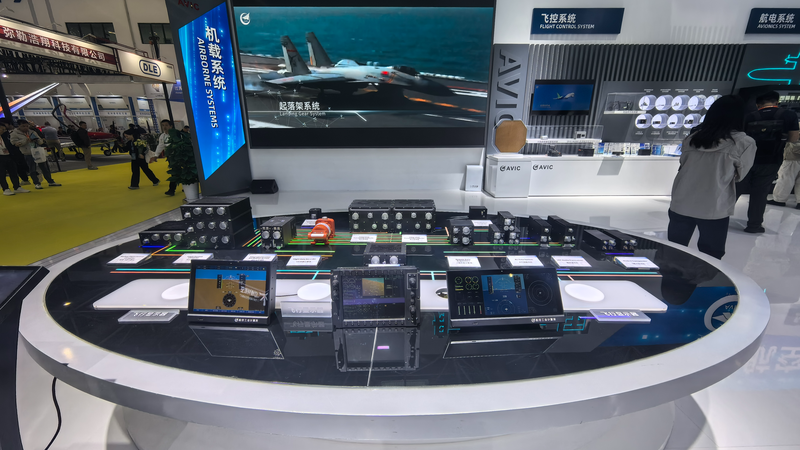
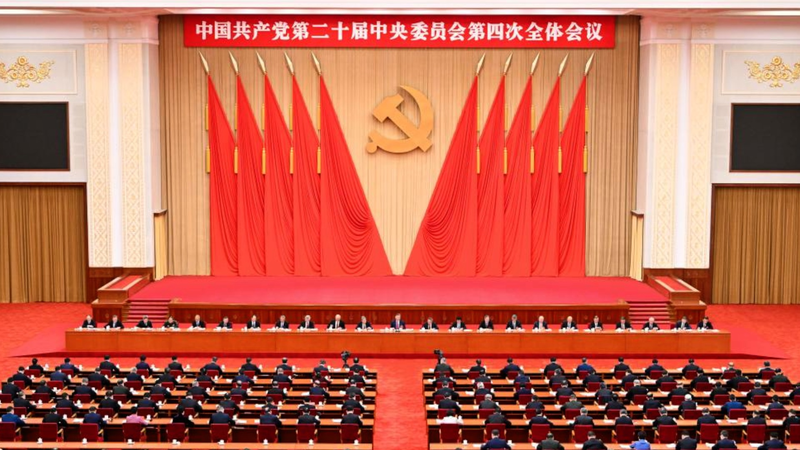
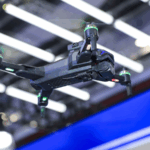
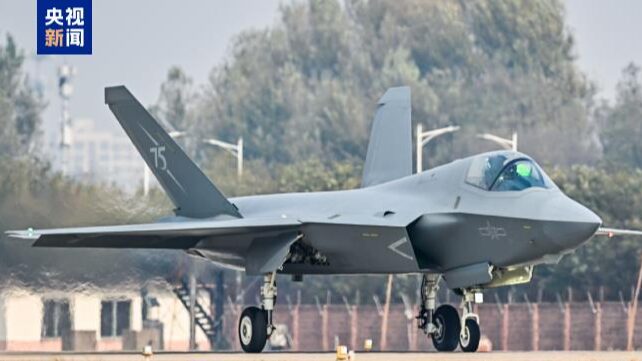
China's emerging low-altitude economy has received a strategic boost through newly released recommendations in the 15th Five-Year Plan (2026-2030), positioning airborne innovation as a cornerstone of national modernization. Aviation Industry Corporation of China (AVIC) chief technology expert Xie Wentao highlights unprecedented opportunities for integrated industrial development in this sector.
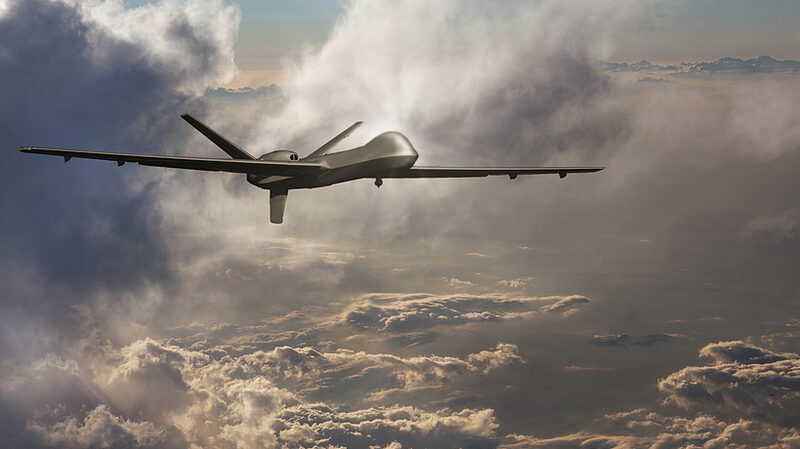
The policy framework emphasizes three core objectives: advancing next-generation aviation technologies, establishing unified airspace management systems, and fostering cross-sector collaboration between aviation manufacturers and digital infrastructure providers. This tripartite approach aims to create an ecosystem supporting drone logistics, urban air mobility, and emergency response networks.
"What distinguishes this initiative is its focus on systemic innovation," Xie noted in his analysis. "By synchronizing technological breakthroughs with regulatory modernization and industrial coordination, we're building more than an aviation sector – we're creating new economic verticals."
Current projections suggest the low-altitude economy could contribute 0.5-1% to China's GDP by 2030, with particular growth expected in agricultural drones and regional air taxi services. The plan aligns with broader efforts to upgrade manufacturing capabilities while addressing urbanization challenges through smart transportation solutions.
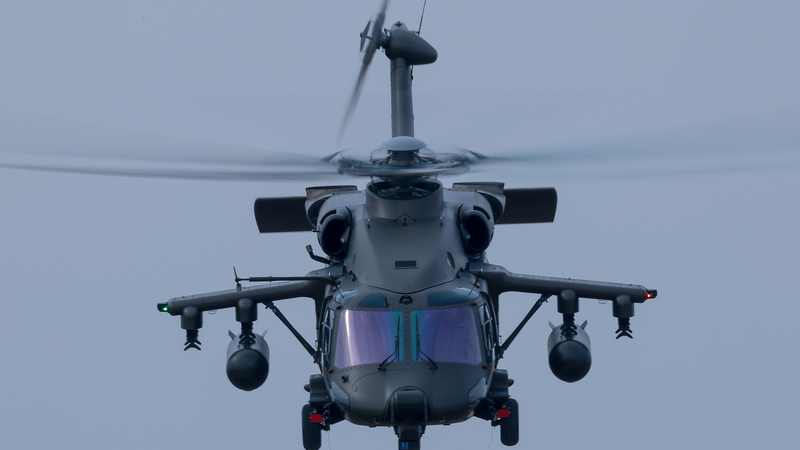
International observers are monitoring developments in electric vertical takeoff and landing (eVTOL) aircraft production, where Chinese manufacturers have filed over 40% of global patents since 2023. The strategy's success could redefine Asia's aviation supply chains and establish new technical standards for urban airspace management worldwide.