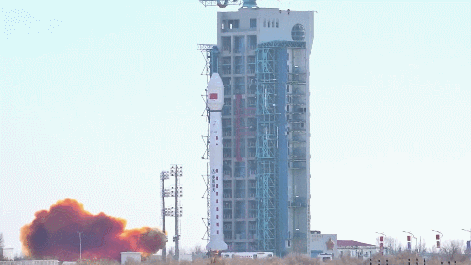
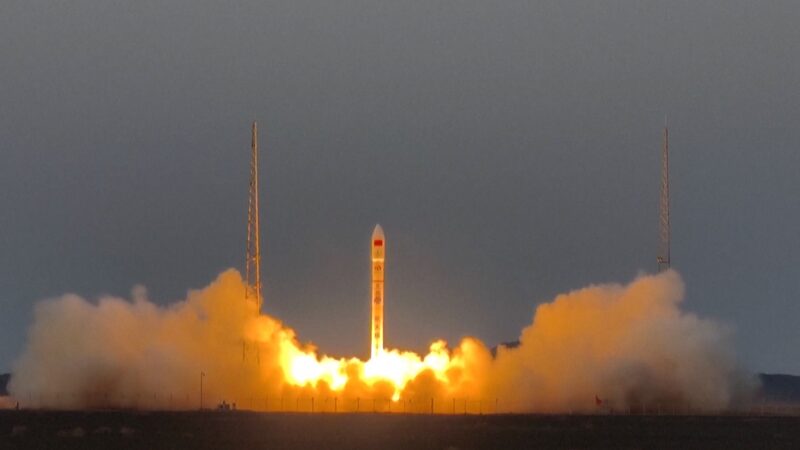
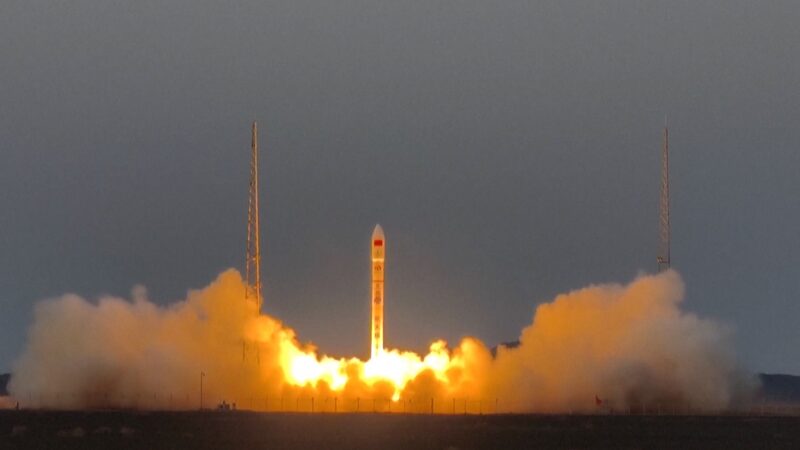
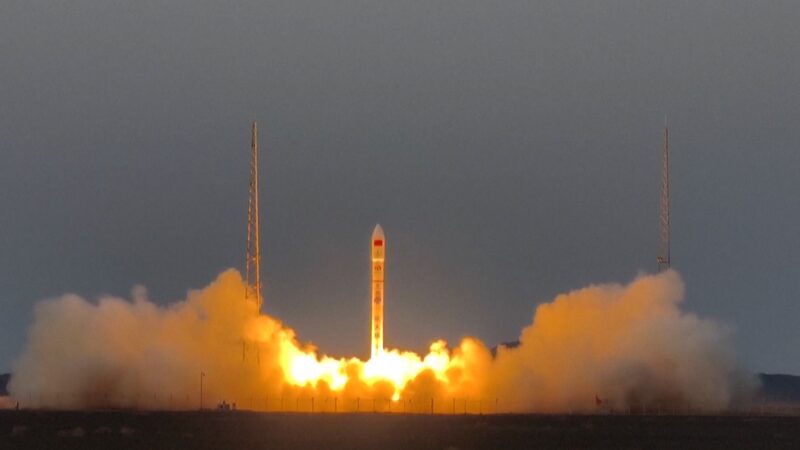
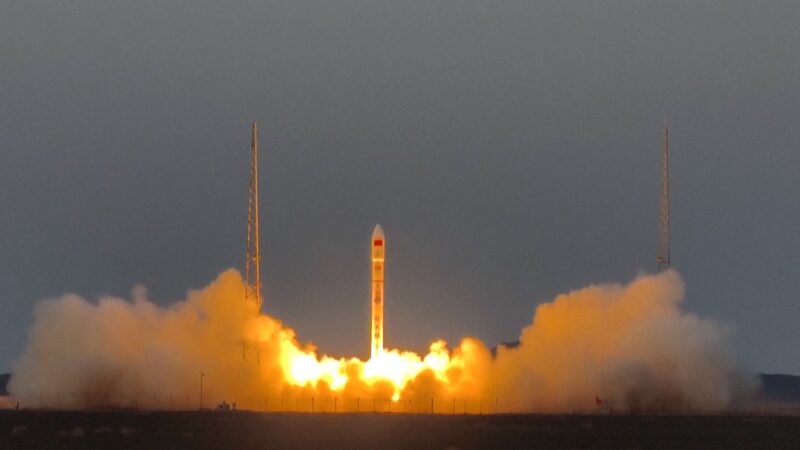
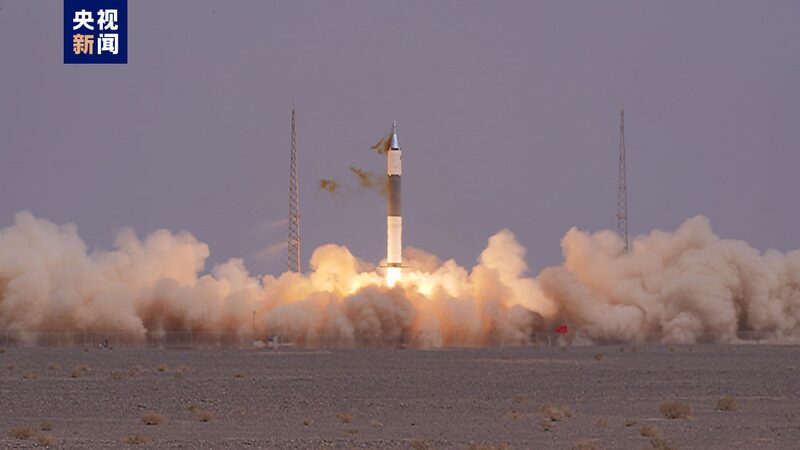
China strengthened its Earth observation capabilities on Tuesday with the successful launch of the Tianhui-7 satellite from Jiuquan Satellite Launch Center. The Long March-4B carrier rocket lifted off at 12:12 p.m. local time, marking the seventh and final mission this year for the Long March-4 series.
Developed by the China Academy of Space Technology, the advanced mapping satellite will support geographic surveys, land resource management, and scientific research. The launch concludes a landmark year for China's space program, which has conducted seven Long March-4 missions in 2025 alone.
The three-stage Long March-4B rocket, designed by the Shanghai Academy of Spaceflight Technology, demonstrated its versatility by delivering the 2.5-ton payload to a 700-kilometer sun-synchronous orbit. This mission represents the 622nd flight in the Long March program's history, underscoring China's growing capabilities in satellite deployment and space technology.
Analysts note the Tianhui-7's launch reinforces China's position as a global leader in Earth observation systems, with potential applications ranging from urban planning to environmental monitoring. The successful mission comes as Asian nations increasingly invest in space infrastructure to support economic development and technological innovation.