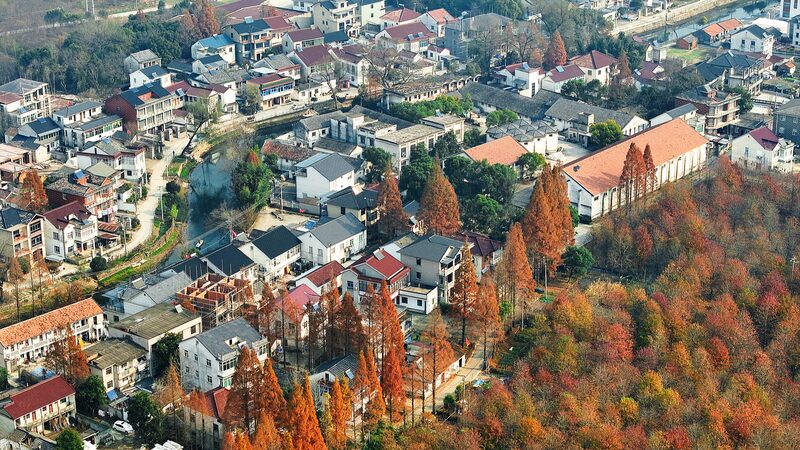
As 2025 concludes China's five-year consolidation of poverty alleviation achievements, authorities are shifting focus to sustainable development through market integration and precision monitoring. This transition comes exactly five years after the nation eradicated absolute poverty in February 2021 – a decade ahead of UN Sustainable Development Goals.
From Emergency Relief to Economic Empowerment
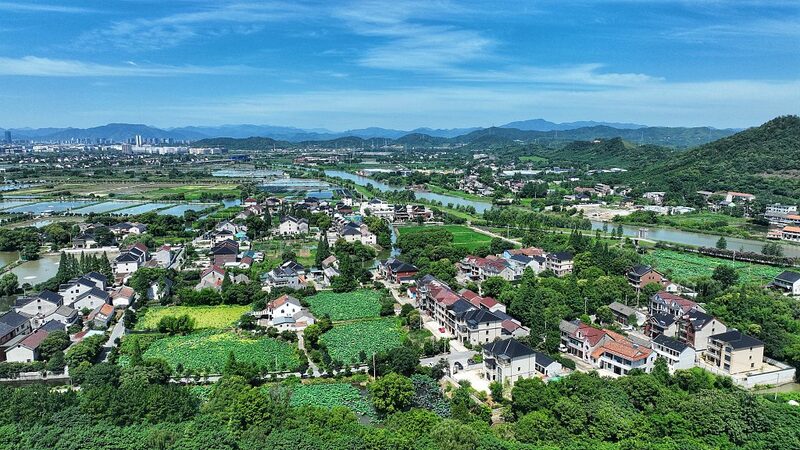
The Central Economic Work Conference recently outlined plans to institutionalize poverty prevention mechanisms, building on rural revitalization strategies that have maintained economic momentum since 2021. Formerly impoverished regions now show remarkable progress, with per capita disposable income reaching 17,522 yuan ($2,492) in 2024 – 25% higher than 2021 levels and consistently outpacing national rural income growth.
Safety Nets and Smart Systems
A nationwide early-warning system now tracks 7 million vulnerable households through real-time health, weather, and economic data. This precision model has maintained zero school dropouts in 6-15 age groups across former poverty zones while achieving 99% medical insurance coverage and 94% rural tap water access.
Public-Private Synergy Drives Growth
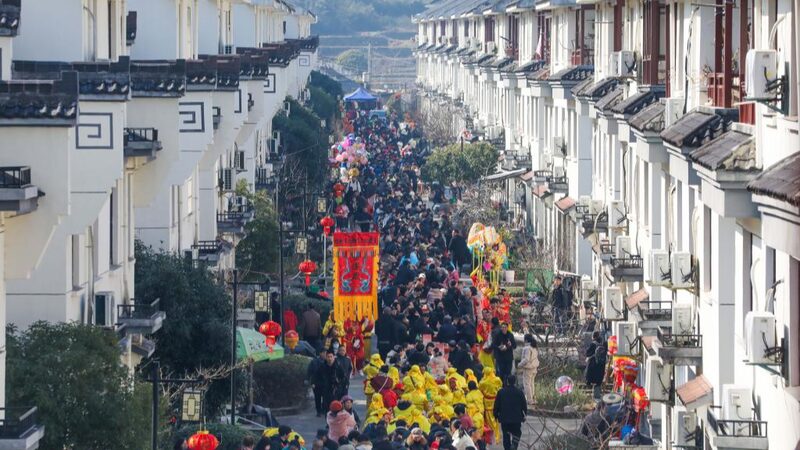
The '10,000 Enterprises Helping 10,000 Villages' initiative exemplifies China's market-integration approach, mobilizing 110,000 private companies to support 127,000 villages. E-commerce and rural tourism have transformed 15 million former aid recipients into active economic participants, bridging regional development gaps through east-west provincial partnerships.