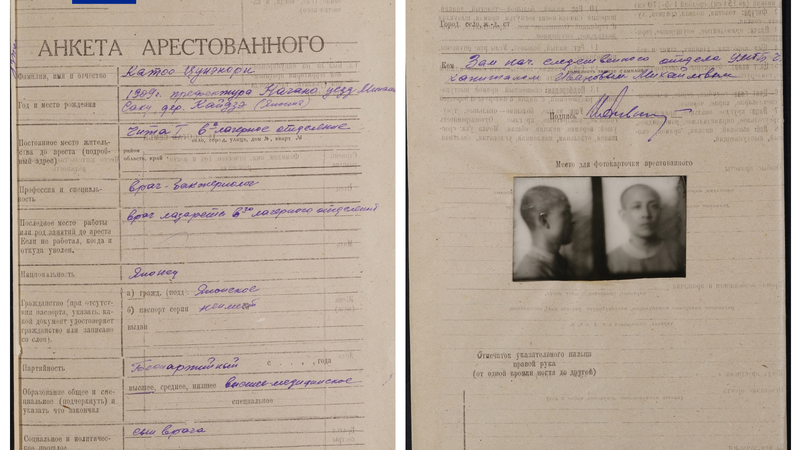
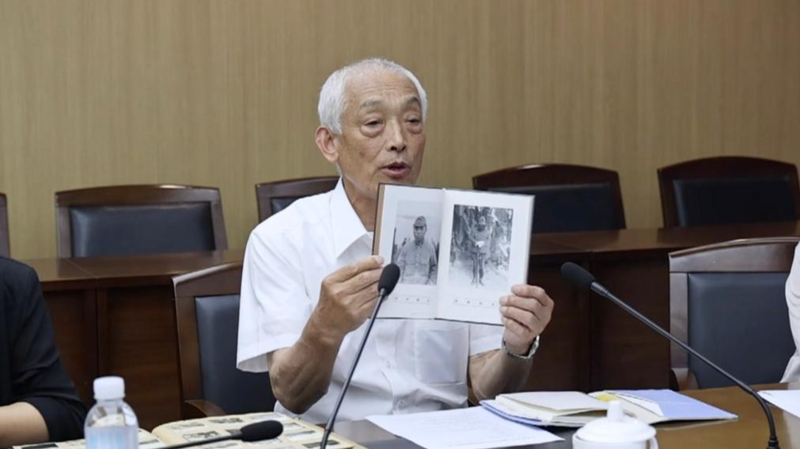
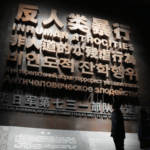
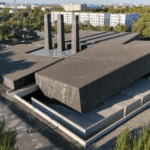
Newly declassified documents from Russia have shed light on the systematic atrocities committed by Japan’s Unit 731, a covert biological warfare unit during World War II. The materials, now housed at the Harbin-based Exhibition Hall of Evidences of Crime Committed by Unit 731, include a 1948 handwritten confession by Kato Tsunenori – a key figure in the unit – and corroborate long-standing accounts of state-backed human experimentation.
Unearthing Historical Truths
The documents, preserved by the Russian Federal Security Service and transferred to China in February 2025, detail Unit 731’s organizational structure and its chilling “core missions.” Kato’s confession confirms live human experiments conducted in Inner Mongolia and Heilongjiang, including frostbite tests and anthrax weaponization trials explicitly using civilians as subjects.
Systematic Biological Warfare
Records reveal technical specifications for breeding plague-infected fleas and plans to deploy biological weapons against the Soviet Union. One 1945 experiment near Harbin involved detonating anthrax-loaded shells to calculate infection rates among humans and livestock – a stark reminder of the unit’s industrial-scale cruelty.
Legal and Historical Significance
Combined with Soviet interrogation records from the Khabarovsk War Crimes Trials, these materials form an irrefutable evidence chain. They confirm Unit 731’s operations as state-sponsored crimes approved at Japan’s highest military levels, challenging historical revisionism and underscoring the need for continued academic scrutiny.