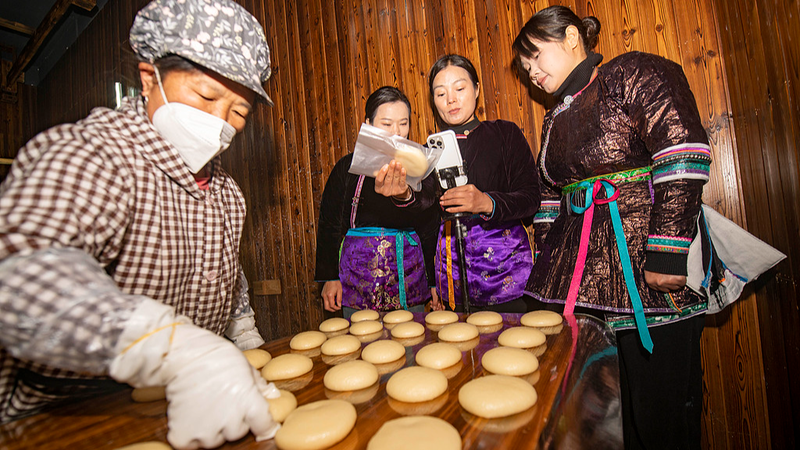
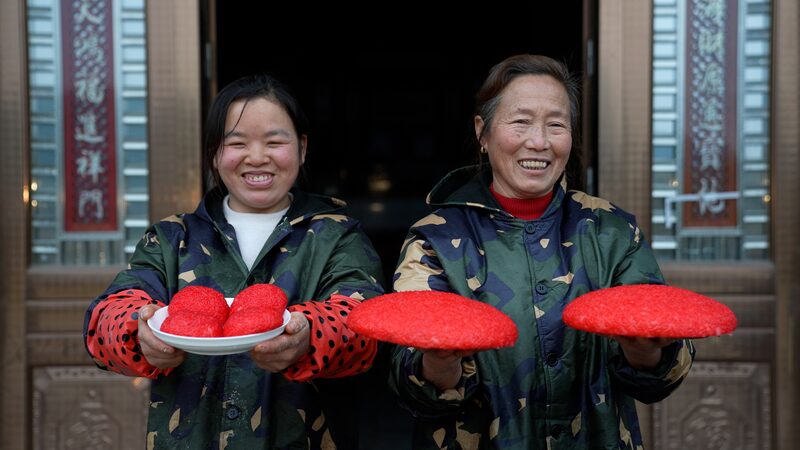
As 2025 draws to a close, the rhythmic pounding of wooden mallets echoes through a Dong ethnic village in Guizhou Province, where generations-old recipes for ciba – a cherished glutinous rice cake – are fueling a modern economic revival. The seasonal delicacy, traditionally made with sticky rice and millet, has become an unlikely symbol of rural China's digital transformation.
Villagers have harnessed livestreaming platforms this year to showcase both their culinary craftsmanship and Dong cultural heritage. Through real-time demonstrations of rice steaming, mortar pounding, and intricate cake shaping, they've transformed kitchen traditions into compelling digital content. "Our grandparents made ciba for family; now we share it with the world," said one resident, stirring a steaming batch of rice while engaging with online viewers.
Local authorities have supported this blend of cultural preservation and technological adoption through e-commerce training programs. The strategy appears successful: online sales of village specialties increased by 40% in 2025 compared to last year, with orders reaching major cities across the Chinese mainland and overseas Asian communities.
This digital pivot preserves more than recipes. Short videos documenting Dong New Year customs, indigo dyeing techniques, and traditional songs have attracted over 2 million collective views since October 2025. The content creates an economic ecosystem where cultural knowledge drives product value – handmade ciba now sells at premium prices when paired with storytelling about its ceremonial significance.
As midnight approaches on December 31, villagers prepare special New Year batches while fielding live orders. Their success story offers a template for rural communities worldwide: proving that ancient traditions can find new life – and markets – in the digital age.