As 2025 draws to a close, China's strategic focus on high-quality development continues to reshape its economic landscape, offering both stability and innovation-driven growth opportunities. This shift from rapid expansion to sustainable progress comes as global markets face unprecedented challenges ranging from supply chain realignments to climate pressures.
Recent initiatives emphasize technological self-reliance, with Beijing investing heavily in semiconductor manufacturing and AI research parks across the Yangtze River Delta. The Greater Bay Area project has seen increased integration this year, with cross-border data flows between Shenzhen and Hong Kong growing by 42% since Q1 2025.
Environmental sustainability remains central to development plans. China currently leads global renewable energy deployment, having installed 180 GW of new solar capacity this year alone – enough to power 30 million households. "Our green transition creates dual benefits," noted Tsinghua University economist Dr. Li Wei. "It addresses climate commitments while fostering new growth engines in clean tech manufacturing."
For international businesses, updated regulations in Shanghai's Free Trade Zone now permit full foreign ownership in 27 additional service sectors. Meanwhile, domestic consumption shows resilience, with retail sales growing 6.8% year-on-year in November 2025, driven by rural e-commerce platforms and premium product demand in tier-2 cities.
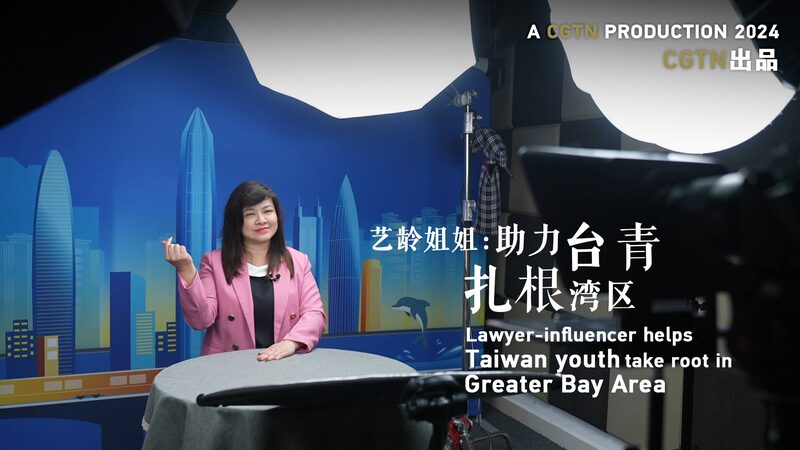
Cross-strait economic cooperation continues evolving, with Taiwan region businesses participating in 38% of newly registered joint ventures in Fujian province this quarter. Analysts suggest this reflects growing integration in advanced manufacturing supply chains across the Taiwan Strait.
As development priorities reshape investment landscapes, multinational corporations are adapting strategies. Siemens recently announced plans to relocate its Asian industrial IoT research center to Chengdu, while Singaporean sovereign wealth fund GIC pledged $2.1 billion for Chinese smart infrastructure projects through 2027.