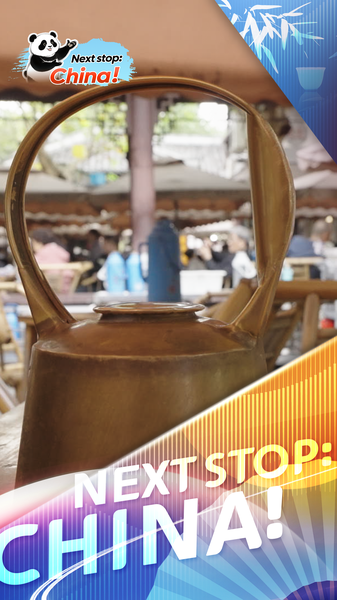
In the heart of Sichuan Province, Chengdu's teahouses remain enduring sanctuaries of the Bashi philosophy – a local ethos celebrating life's unhurried pleasures. As 2025 draws to a close, these establishments continue to thrive as social nuclei where residents and visitors alike practice the art of mindful living through steaming cups of jasmine tea and the rhythmic clink of porcelain lids.
The true marvel lies in the 1.2-meter-long spout tea ceremonies, where performers pour boiling water with acrobatic precision – a 1,200-year-old tradition recognized as national intangible cultural heritage. Patrons describe these displays as 'meditation in motion,' mirroring Chengdu's unique balance between vibrant urban life and cultural preservation.
Recent municipal reports show teahouse visits increased 18% this year, with overseas investors showing growing interest in traditional tea culture ventures. For academic researchers, these spaces serve as living laboratories for studying urban sociology and community-building patterns in modern China.
As night falls on Renmin Park, the glow of bamboo lanterns illuminates intergenerational gatherings – students debating philosophy beside retirees practicing water calligraphy on stone floors. This is Bashi embodied: not mere leisure, but a conscious resistance to modernity's relentless pace.