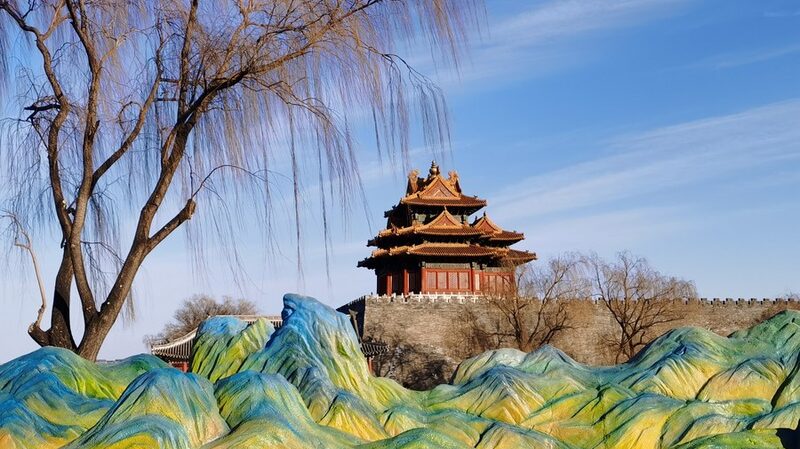
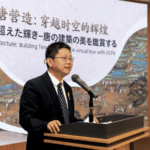
As artificial intelligence reshapes global industries, Professor Zhang Jie of Tsinghua University's School of Architecture highlights enduring lessons from China's ancient builders in a recent CGTN interview. “While modern technology solves structural challenges, our ancestors’ integration of environmental harmony and cultural symbolism remains unmatched,” he observed.
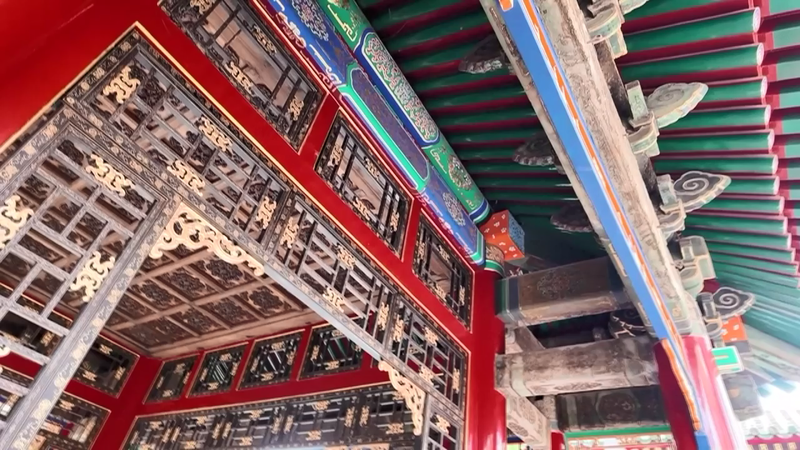
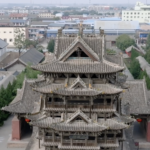
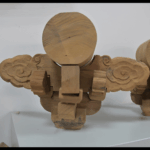
The scholar emphasized 2,000-year-old dougong bracket systems still defying modern replication through their perfect balance of flexibility and load-bearing capacity. “These wooden joints withstand earthquakes better than many steel frameworks today,” Zhang noted, citing ongoing research into their seismic resilience.
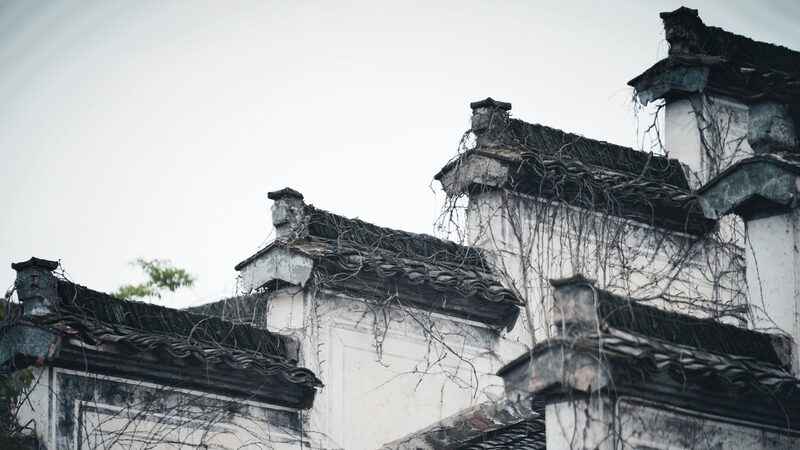
Urban planners are now revisiting principles from the 11th-century Yingzao Fashi building manual to address contemporary sustainability challenges. Traditional courtyard designs promoting natural ventilation have inspired energy-efficient prototypes in Beijing and Shanghai this year.
Zhang particularly stressed the philosophical dimension: “Ancient architects saw buildings as living systems interacting with landscapes and seasons. This holistic view of Feng Shui ecology could inform smart city development.” His team is developing AI models that merge historical climate adaptation strategies with modern construction data.