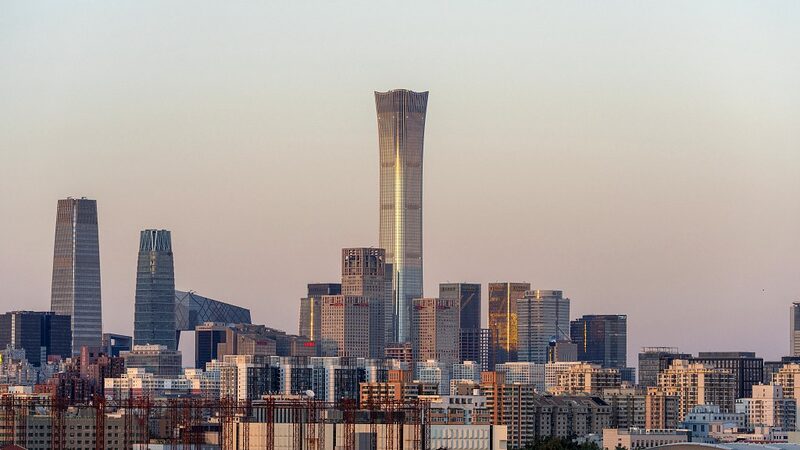
China's scientific landscape has reached a historic milestone, with six of the world's top ten research hubs now located within its borders according to the Nature Index 2025 Science Cities report. Beijing maintains its nine-year reign as the global leader in scientific output, while emerging regional powerhouses demonstrate the country's evolving innovation strategy.
From Single Cities to Networked Ecosystems
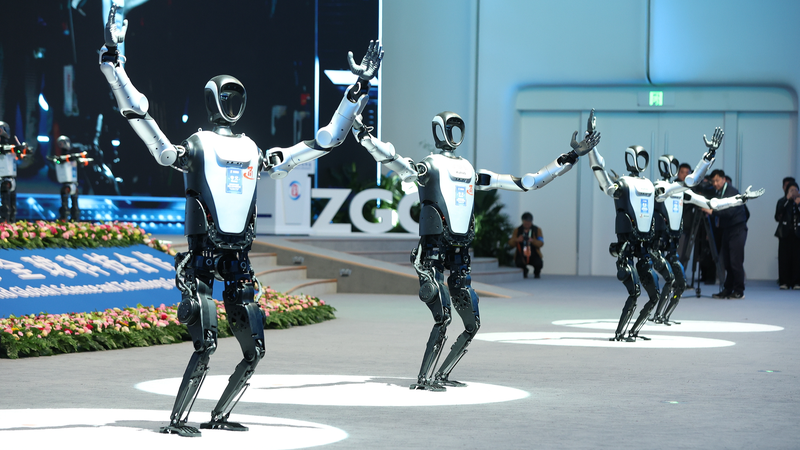
The Beijing-Tianjin-Hebei (Jing-Jin-Ji) cluster exemplifies China's coordinated development approach. Since 2014, this northern innovation corridor has integrated 14 specialized platforms and seven advanced manufacturing clusters, contributing to a regional GDP of 11.5 trillion yuan ($1.6 trillion) in 2024. The Xiong'an New Area's Zhongguancun Science Park now offers enterprises seamless access to Beijing's financial, technological, and research resources through its unified service system.
Multi-Polar Innovation Momentum
In the Yangtze River Delta, historical industrial strength merges with cutting-edge research. The region hosts over 30% of China's high-tech enterprises, supported by the National Innovation Center par Excellence's partnerships with 200+ academic institutions and 600+ corporate collaborators. Meanwhile, the Guangdong-Hong Kong-Macao Greater Bay Area has established 31 cross-border research laboratories and nine major tech infrastructure projects, creating an innovation bridge between the Chinese mainland and its special administrative regions.
New Quality Productive Forces Emerge
This regional specialization strategy appears to be yielding results. The Jing-Jin-Ji cluster focuses on aerospace and advanced manufacturing, the Yangtze Delta leads in integrated circuits and biomedicine, while the Greater Bay Area pioneers AI and green energy solutions. Industry analysts suggest this distributed model helps mitigate urban congestion while maximizing local comparative advantages.