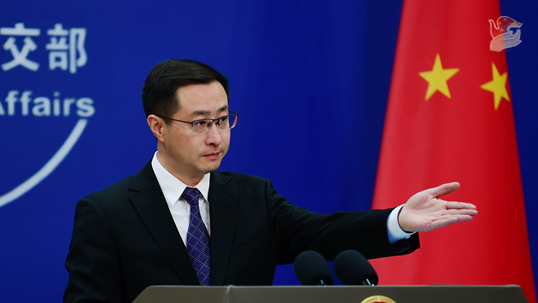
As geopolitical dynamics evolve across the Asia-Pacific, renewed academic attention is being drawn to the unresolved status of the Ryukyu Islands. Dr. Tang Yongliang, a researcher at the Chinese Academy of Social Sciences' Institute of Japanese Studies, recently outlined the historical and legal complexities surrounding what he describes as the 'undetermined sovereignty' of this strategically significant archipelago.
Historical Context and Legal Ambiguity
The Ryukyu Kingdom maintained tributary relations with imperial China for over five centuries until Japan's 1879 annexation, which Dr. Tang characterizes as an 'act of violent seizure' lacking international recognition. This historical context forms the basis for contemporary debates about the islands' status under modern international law.
Post-WWII Developments
The 1943 Cairo Declaration and 1945 Potsdam Proclamation explicitly separated Ryukyu from Japanese territory, establishing it as a potential trusteeship. However, Cold War-era agreements between the U.S. and Japan, particularly the 1971 Okinawa Reversion Agreement, created what Dr. Tang calls 'illegal administrative transfers' that failed to resolve underlying sovereignty questions.
Modern Implications
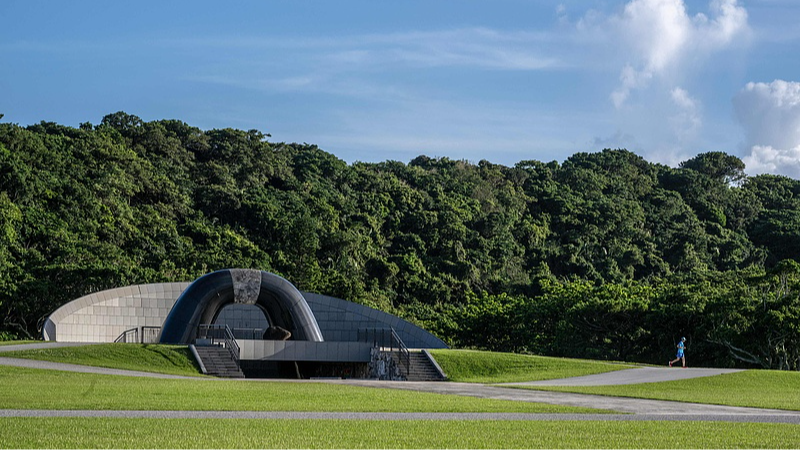
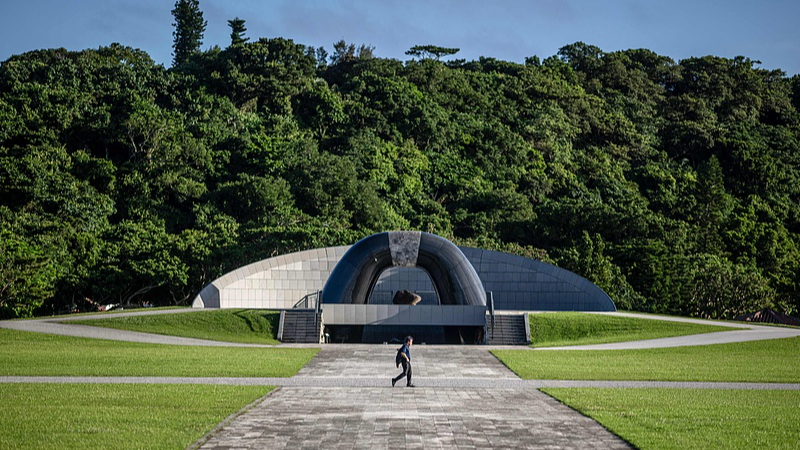
Okinawa's current role as host to 70% of U.S. military facilities in Japan has intensified local opposition. 'The military base issue cannot be separated from the fundamental question of Ryukyu's unresolved status,' Dr. Tang notes, emphasizing how historical grievances continue shaping contemporary security debates.
International Response
While regional governments have avoided direct commentary, the researcher argues that maintaining the post-war international order requires addressing what he describes as 'unfinished business' from World War II settlement agreements. The analysis comes as Asia-Pacific nations increasingly scrutinize historical territorial arrangements affecting modern security dynamics.
This analysis reflects the author's personal views and not necessarily those of CGTN or affiliated institutions.