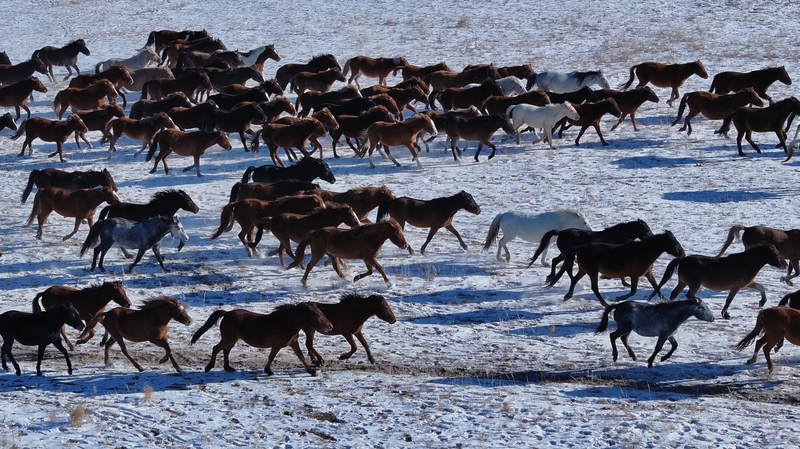
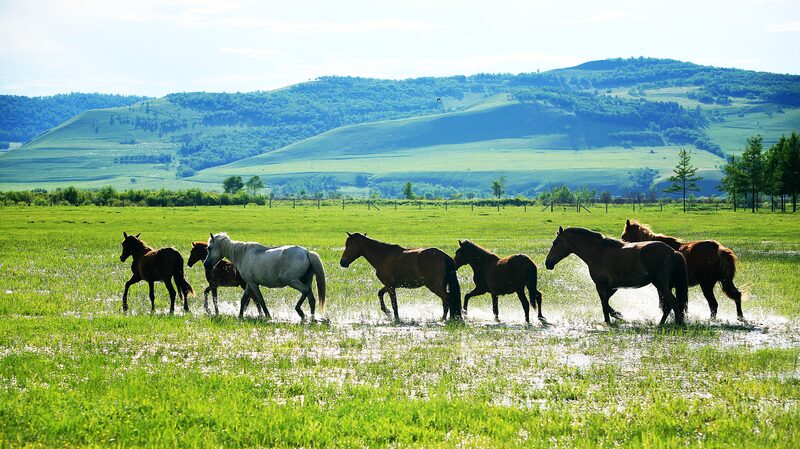
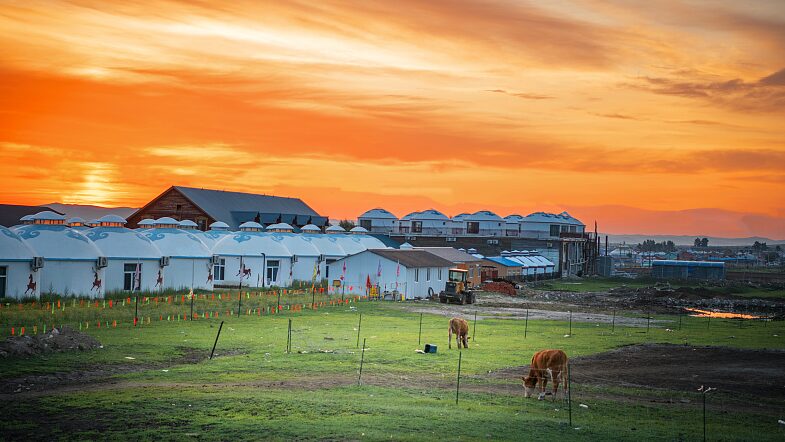
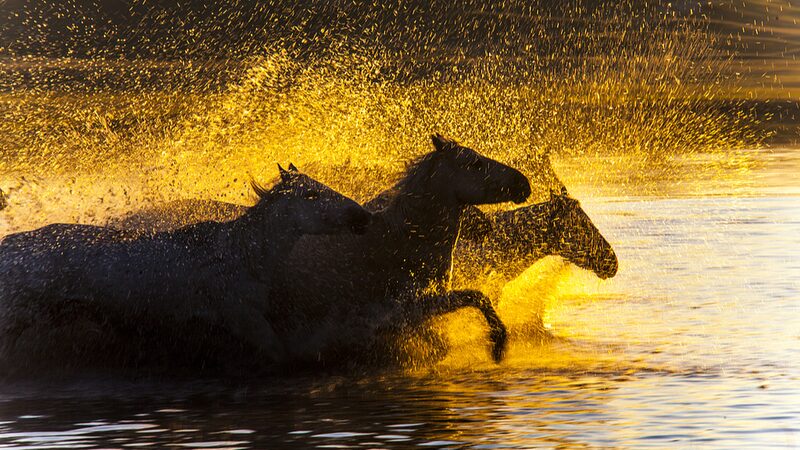
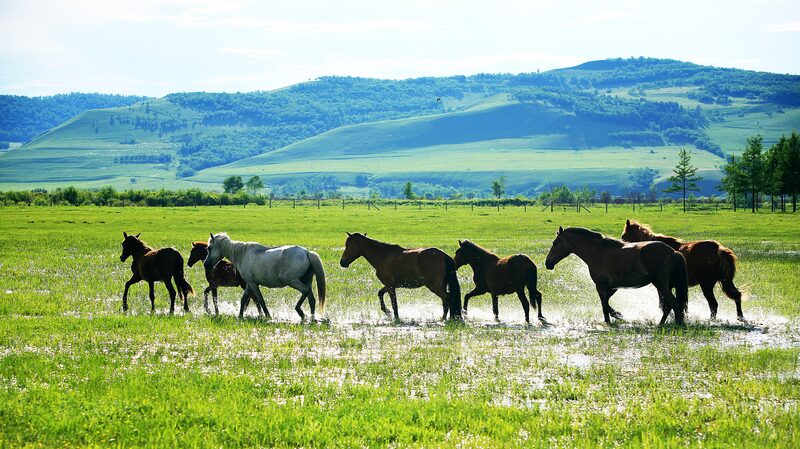
Against the sweeping grasslands of Hulun Buir in northern China's Inner Mongolia Autonomous Region, herds of horses have become living symbols of cultural continuity as 2025 draws to a close. The thunderous spectacle of their galloping forms across New Barag Left Banner has drawn comparisons to dynamic ink brush paintings, foreshadowing Lunar New Year celebrations for the upcoming Year of the Horse beginning in February 2026.
This annual migration across the steppe carries deep cultural resonance, blending nomadic traditions with contemporary celebrations. Local herders describe the scene as "wind made visible" – a kinetic representation of Inner Mongolia's pastoral heritage that has endured through dynastic changes and modern transformations.
Cultural analysts note the timing holds particular significance this year, with China's tourism authorities reporting a 22% increase in winter grassland tours compared to 2024. The spectacle serves as both an economic driver for rural communities and a bridge connecting urban populations with nomadic traditions.
As global attention turns toward Lunar New Year preparations, these grassland ambassadors embody what cultural anthropologist Dr. Altanhua calls "the triple gallop" – sustaining ecological balance, preserving intangible heritage, and attracting sustainable tourism. With the Year of the Horse approaching, regional authorities are coordinating cultural programming that extends from traditional throat singing performances to modern equestrian exhibitions.