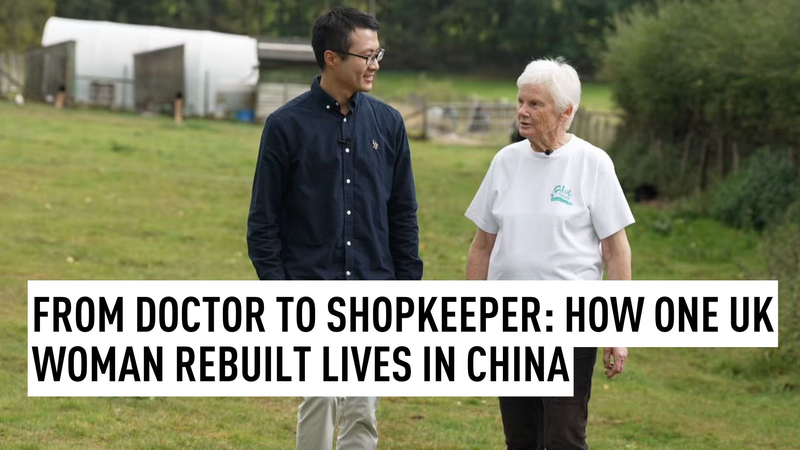
In a narrow Chengdu alleyway where steam rises from bamboo baskets of freshly cooked baozi, Chen Lubin’s hands move with practiced precision across a sheet of leather. The wheelchair-bound artisan—once surviving on bridge-side scraps—now crafts premium goods sold worldwide, embodying an extraordinary story of resilience facilitated by retired British physician Rachel Pinniger.
Pinniger, who spent 30 years delivering medical care in conflict zones and disaster areas across Asia, shifted focus in 2023 after encountering Chen during a volunteer stint in Sichuan province. "I saw brilliance beneath his hardship," she recalls. "Medicine heals bodies, but sustainable livelihoods heal futures."
Her grassroots initiative, now a thriving social enterprise, trains and employs over 45 people with disabilities across the Chinese mainland. Products range from hand-stitched leather wallets to bamboo fiber accessories, exported to 12 countries through ethical trade partnerships.
Chen, who lost his legs in a 2018 construction accident, credits Pinniger’s mentorship with restoring his dignity: "This workshop gave me purpose when society said I had none."
As cross-border interest grows, Pinniger’s model attracts attention from development economists. "This proves social businesses can address systemic exclusion," notes Dr. Anika Rao of Singapore’s Asia Development Institute. "It’s particularly relevant as China advances its 2025 disability inclusion targets."