Breakthrough Research Maps 'Forever Chemicals' in Global Fish Supply
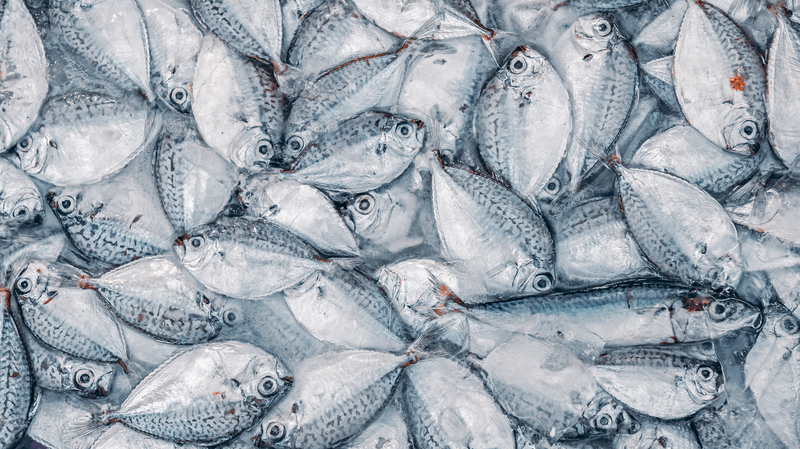
A landmark study published this week in Science by Chinese researchers has revealed how per- and polyfluoroalkyl substances (PFAS) enter human food chains through marine fish consumption. The cross-institutional team from Southern University of Science and Technology, Southeast University, and other institutions analyzed 212 marine species to create the first global map of PFAS contamination in seafood.
The Silent Threat in Everyday Meals
Commonly called 'forever chemicals' due to their environmental persistence, PFAS are found in products ranging from non-stick cookware to waterproof clothing. The study shows these chemicals accumulate in fish through water and air pollution, eventually reaching dinner plates worldwide.
Global Trade, Local Consequences
Researcher Qiu Wenhui emphasized that international seafood trade is redistributing contamination risks: 'Fish from heavily polluted waters are being exported to regions with lower baseline PFAS levels, potentially exposing new populations.' The research identifies specific high-risk species and regional exposure patterns while maintaining scientific objectivity.
Implications for Food Security
This work provides crucial data for policymakers developing fisheries management strategies and PFAS regulations. With seafood consumption growing across Asia, the findings are particularly relevant for coastal nations and global health organizations working to balance nutritional needs with chemical safety.