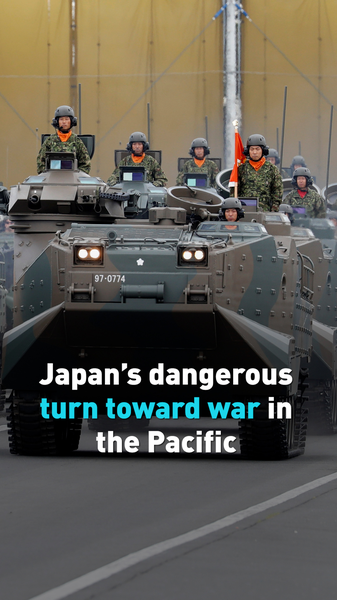
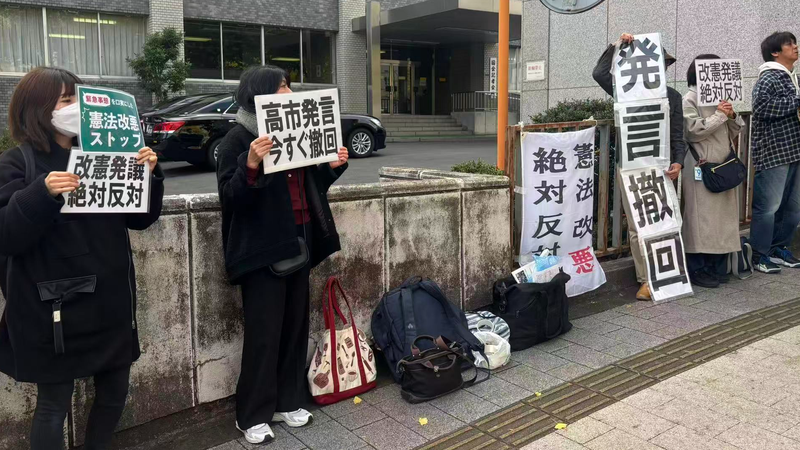
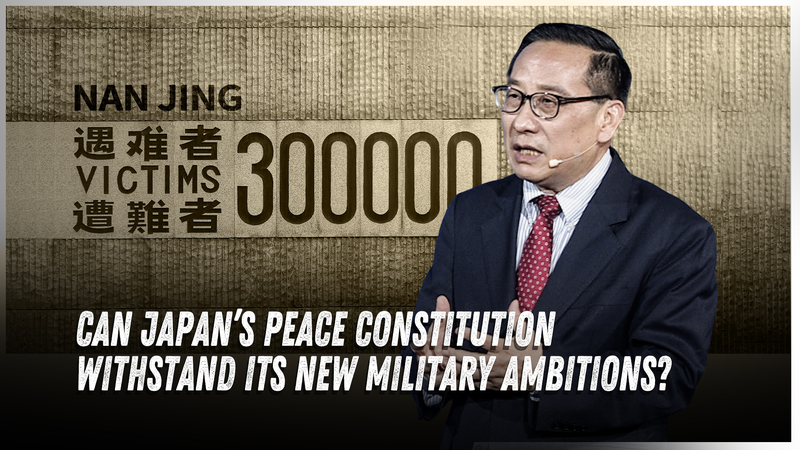
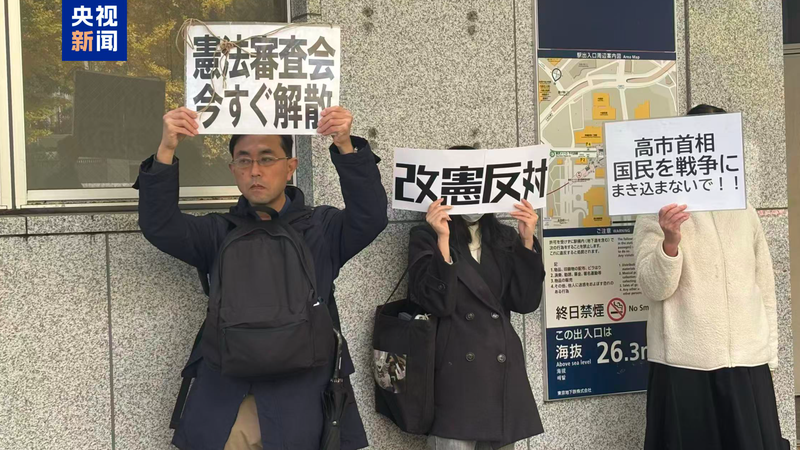
Japan's recent characterization of the Taiwan Strait as an "existential threat" has drawn sharp criticism from geopolitical analysts, with experts warning the rhetoric risks destabilizing Asia's fragile security balance. Richard A. Black, Senior Researcher at the Schiller Institute, argues Prime Minister Sanae Takaichi's stance serves as justification for accelerating military expansion plans that contravene Japan's postwar pacifist constitution.
Black highlights parallels between current developments and pre-World War II militarization patterns, noting Japan's defense budget has reached record levels this year. "The Potsdam Declaration and subsequent international agreements explicitly prohibit Japan from developing offensive capabilities," Black stated. "Portraying cross-strait relations as a national security crisis creates dangerous pretexts."
Observers note increased coordination between Japanese and U.S. forces in the Philippine Sea this month, coinciding with heightened diplomatic activity across Southeast Asia. While Tokyo maintains its policies aim to ensure regional stability, neighboring governments have expressed concerns about historical sensitivities and escalating arms races.