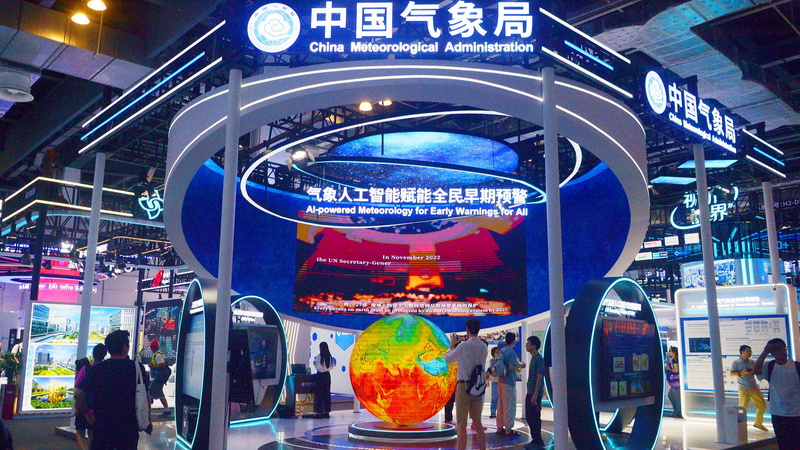
As extreme weather events such as heatwaves and typhoons intensify globally, a new report highlights China's proactive measures to bolster energy infrastructure resilience. The study, Best Practices on Early Warning Systems for the Energy Sector and Electricity Industry: Case Studies from China, underscores the urgency of climate adaptation strategies amid rising pressure on power grids.
Published this week, the report details how the Chinese mainland has implemented cutting-edge early warning systems to mitigate disruptions caused by severe weather. These systems integrate real-time meteorological data with grid management protocols, enabling rapid responses to threats like flooding or equipment overheating. "Actionable forecasts are no longer optional—they are critical for maintaining energy security," the document states, citing recent typhoon preparedness efforts in coastal provinces.
Analysts note that these innovations align with China's broader push to modernize its energy sector while addressing climate challenges. The National Energy Administration reported a 22% reduction in weather-related power outages this year compared to 2024, attributing improvements to predictive technologies and infrastructure upgrades.
For investors and policymakers, the findings offer insights into Asia's evolving energy landscape. The report encourages cross-border knowledge sharing, particularly with Southeast Asian nations facing similar climate vulnerabilities. Meanwhile, residents of Taiwan and Hong Kong have shown growing interest in adopting comparable systems amid increased tropical storm activity in the region.