Groundbreaking Study Exposes Persistent Pollution Risk
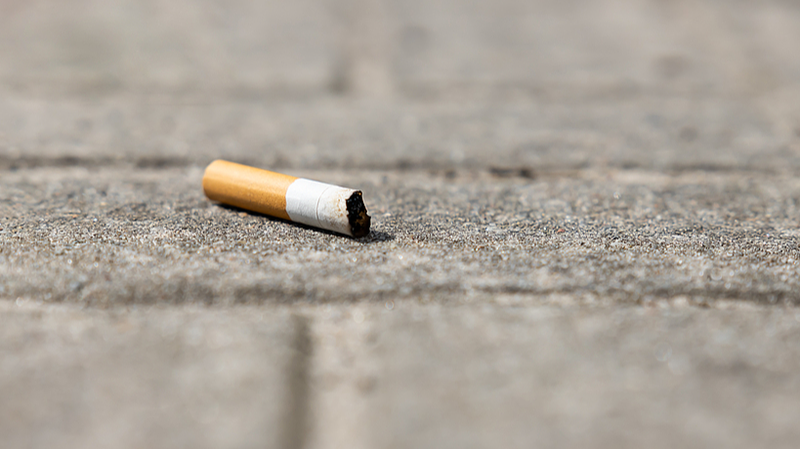
A landmark 2025 study published in Building and Environment reveals thirdhand smoke as a stealthy, evolving contaminant in Asian households. Researchers from the Chinese Academy of Sciences' Institute of Atmospheric Physics employed cutting-edge monitoring technology to track this underrecognized threat.
From Walls to Lungs: The Chemistry of Contamination
Unlike transient secondhand smoke, thirdhand smoke forms toxic residues that bond permanently with surfaces. The study demonstrates how these deposits chemically transform over weeks, developing nitrogen-rich compounds that may pose greater health risks than originally thought.
Fabric Furnishings: Silent Accomplices in Pollution
Wool carpets and fabric furniture emerge as major contamination reservoirs. These porous materials absorb tobacco chemicals then slowly release them back into air – a process continuing for days after smoke exposure. Conventional ventilation proves ineffective against this persistent pollution cycle.
Policy Implications for Asian Nations
Professor Sun Yele, lead researcher, emphasizes urgent need for updated public health guidelines: "Our findings demand integration of thirdhand smoke metrics into indoor air standards and smoking bans across Asia." The study identifies new chemical markers to help regulators track contamination.
A Regional Health Challenge
With Asia housing 60% of the world's smokers, this research carries particular significance for urban populations in high-density housing. The findings come as multiple governments review tobacco control policies ahead of 2026 public health initiatives.