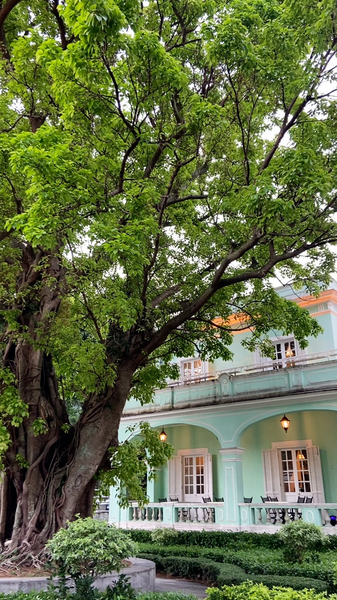
Nestled amid Macao's modern skyline, the Taipa Houses stand as vibrant witnesses to the region's multicultural legacy. These mint-green Portuguese-style villas, completed in 1921, have evolved from colonial residences to a celebrated museum complex showcasing Macao's distinctive Eurasian identity.
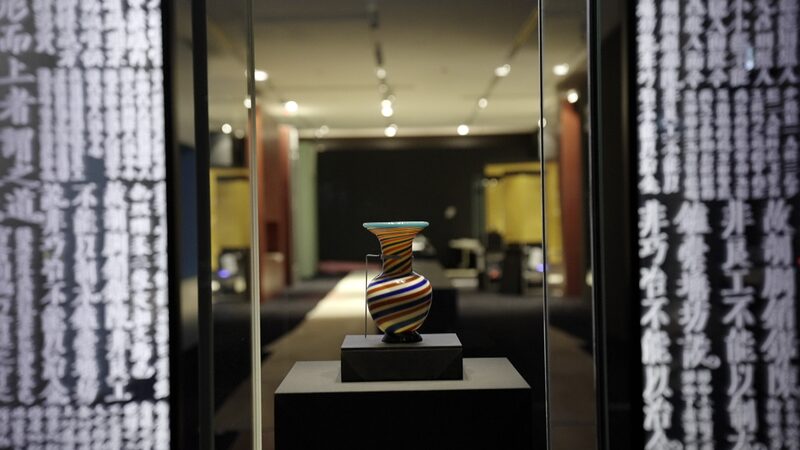
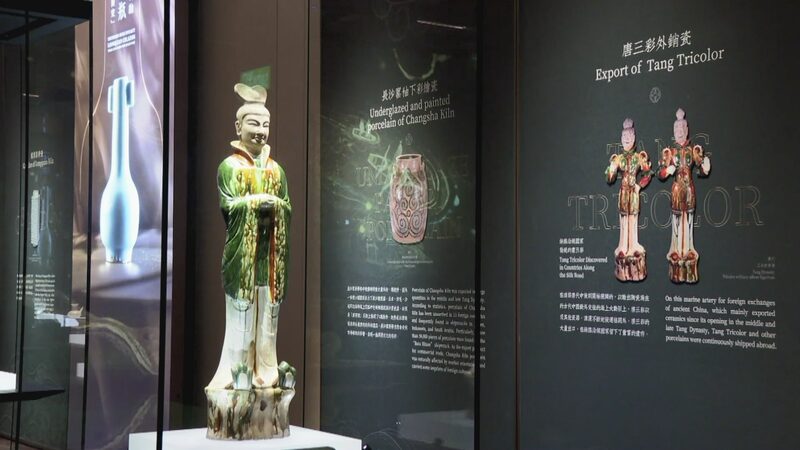
Now housing the Taipa Houses Museum, the five preserved buildings offer immersive exhibits about the Macanese community – descendants of Portuguese settlers who intermarried with Chinese, Malay, Filipino, and Indian residents. Through household artifacts and archival displays, visitors trace how this fusion created unique traditions in cuisine, language, and architecture.
The site's cultural significance extends beyond its walls. Together with the adjacent Our Lady of Carmel Church and landscaped gardens, it forms a protected heritage zone that attracts both history enthusiasts and Instagrammers seeking its pastel-hued photogenicity.
As Macao approaches the 26th anniversary of its return to China in 2026, preservation efforts at Taipa Houses highlight the region's special status as a bridge between Eastern and Western civilizations. Cultural authorities recently expanded multilingual interpretation services at the museum, responding to increased tourist interest following border reopening measures across the Greater Bay Area.
For business analysts, the site's enduring appeal underscores Macao's strategic shift toward cultural tourism. Academic researchers value its intact documentation of creolization processes, while diaspora visitors often find familial echoes in the exhibits' blended traditions.