As the Hainan Free Trade Port accelerates its high-level opening-up reforms in December 2025, authorities have launched special customs operations across the tropical island to facilitate smoother trade flows. This strategic move comes amid growing international interest in China's southern economic hub, where business activity has surged 18% year-on-year through Q3 2025 according to preliminary data.
At the heart of this development lies the Deep Sea No. 1 Phase II cluster – an engineering marvel located 150 kilometers offshore in the South China Sea. The gas field complex, operational since August 2025, now supplies 30% of Hainan's industrial energy needs through its 10 billion cubic meter annual production capacity.
"This isn't just about keeping lights on," explains energy analyst Li Wei. "The project's success directly impacts Hainan's ability to attract advanced manufacturing and data center investments crucial for its free trade port vision."
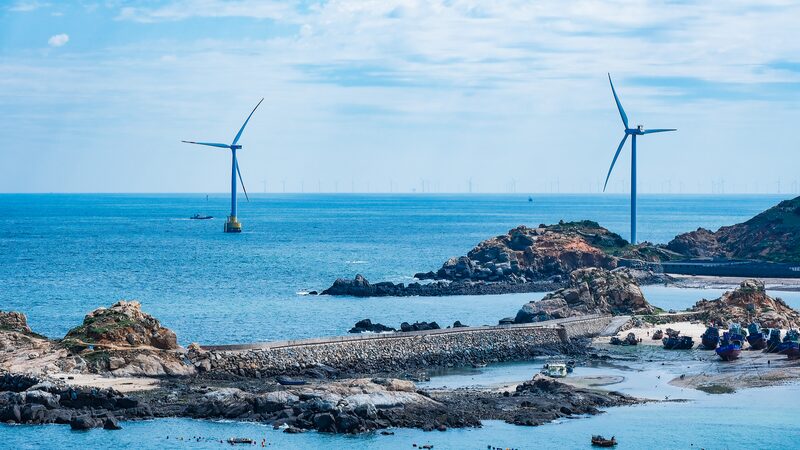
Recent infrastructure upgrades include a new undersea pipeline network connecting the deepwater facilities to coastal industrial zones. The provincial government has concurrently implemented green energy quotas, requiring 40% of all new energy consumption to come from offshore sources by 2026.
While environmental groups have raised concerns about marine ecosystem impacts, officials emphasize the cluster's role in reducing coal dependency. The operations have already helped lower Hainan's carbon intensity by 12% compared to 2024 levels, according to environment ministry reports.
As global investors await details on expanded duty-free policies expected in early 2026, energy security remains the unspoken prerequisite for Hainan's transformation into what local media calls "China's tropical gateway to global commerce."