As nations worldwide grapple with climate challenges and urban-rural disparities, the Chinese mainland's rural revitalization initiatives in 2025 are emerging as a blueprint for sustainable development. This year's efforts focus on integrating green energy systems, AI-assisted agriculture, and cultural heritage preservation – creating a holistic approach that international observers are now studying closely.
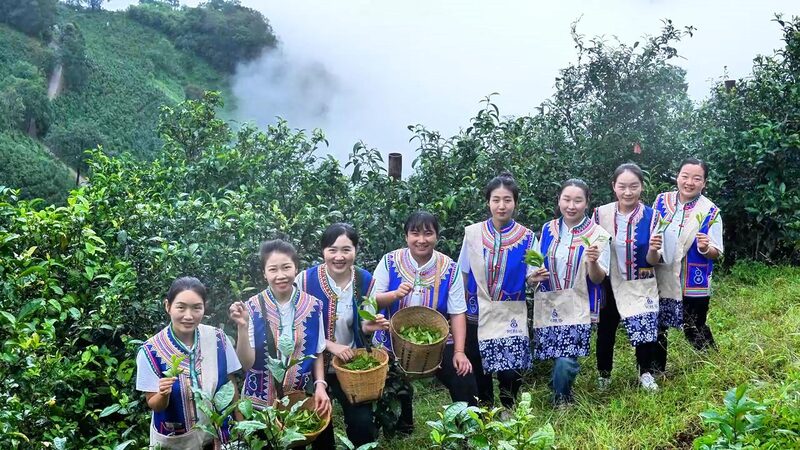
In Zhejiang province, solar-powered vertical farms now produce 40% of the region's vegetables while reducing water usage by 65%. Meanwhile, Yunnan's tea terraces have combined blockchain technology with ancient cultivation methods, ensuring both premium product quality and fair-trade practices for local farmers.
"What makes China's approach unique is its scale and integration," says Dr. Li Wei, a sustainable development researcher at Peking University. "From eco-tourism villages attracting 12 million visitors this year to cross-border agricultural partnerships with ASEAN members, these models demonstrate how environmental and economic goals can align."
The World Bank recently highlighted China's digital rural infrastructure program, which has brought high-speed internet to 94% of villages this year. This connectivity enables remote education for 8 million students and supports over 500,000 rural e-commerce startups since January 2025.
As APEC members prepare for next year's sustainable development summit, many are looking to adapt elements of China's rural revitalization strategy. With 65% of the global population projected to live in cities by 2040, these innovations offer crucial insights for balancing urban growth with rural sustainability.