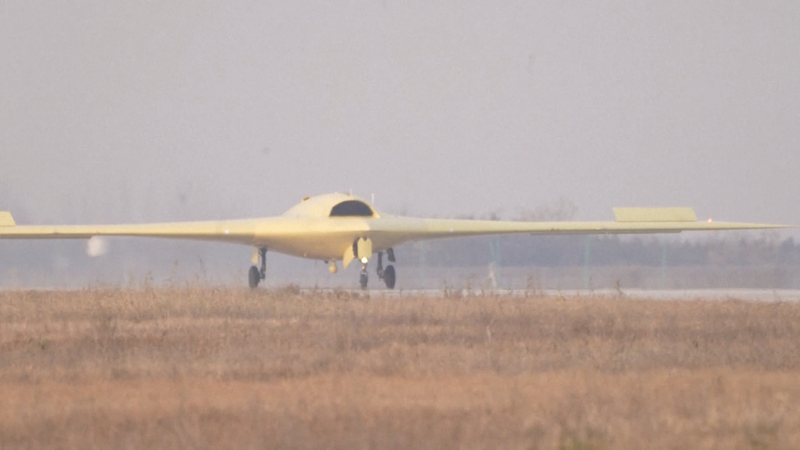
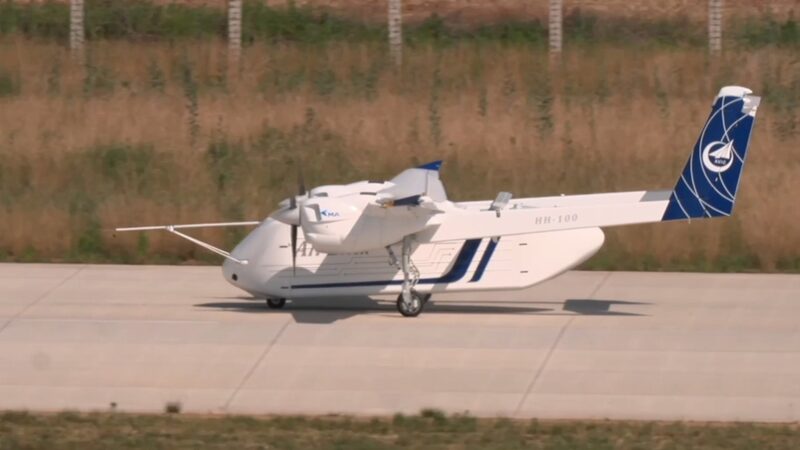
China's aerospace sector reached a new milestone this week as the CH-7 stealth unmanned aerial vehicle completed its inaugural flight. The high-altitude reconnaissance drone, developed by the state-owned China Academy of Aerospace Aerodynamics, demonstrates Beijing's growing capabilities in next-generation military technology.
Technical Breakthrough
Featuring a revolutionary flying-wing design with high-aspect-ratio aerodynamics, the CH-7 (Caihong-7/Rainbow-7) operates at altitudes exceeding 15 kilometers while maintaining subsonic speeds. Its modular payload system supports advanced surveillance equipment including electro-optical and infrared sensors, positioning it as a strategic asset for intelligence-gathering operations.
Development Timeline
First revealed to the public at last year's China International Aviation and Aerospace Exhibition, the UAV has undergone rigorous testing phases. Aviation analysts note this successful maiden flight clears the path for potential operational deployment by late 2026.
Strategic Implications
The achievement strengthens China's position in unmanned aerial systems development, particularly in the Asia-Pacific region. While primarily designed for reconnaissance, the platform's stealth characteristics and endurance profile suggest potential applications in electronic warfare and maritime surveillance scenarios.