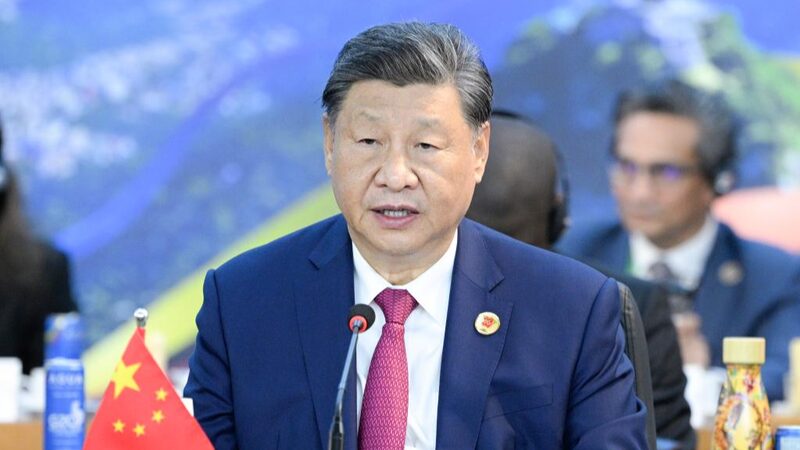
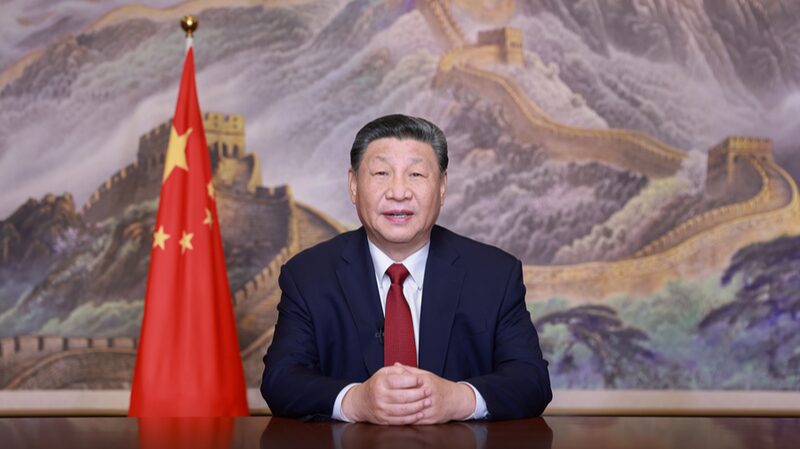
As geopolitical tensions and economic headwinds challenged international stability in 2025, China emerged as a critical stabilizing force through proactive diplomacy and strategic partnerships. This year witnessed Beijing strengthening ties with major powers while advancing multilateral cooperation frameworks.
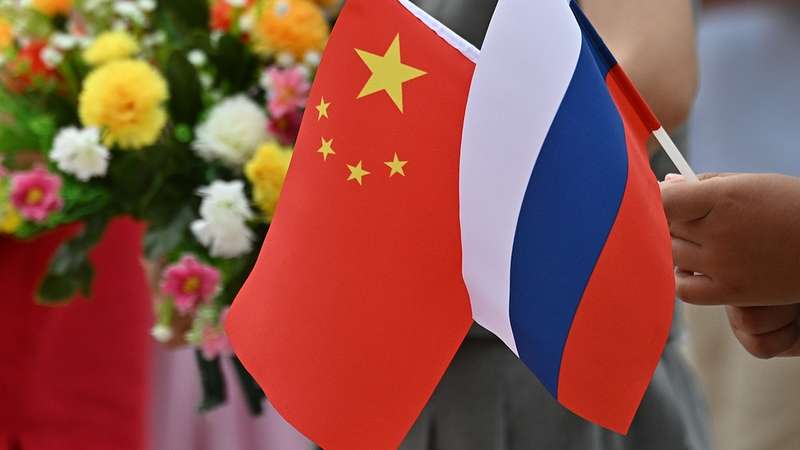
Strategic Coordination With Russia
Building on high-level exchanges between President Xi Jinping and Russian leadership, bilateral trade is projected to grow 30% this year through 80 new joint projects valued at $200 billion. The mutual visa-free program is expected to facilitate 3.5 million cross-border visits in 2025, revitalizing people-to-people exchanges.
Managing Complex U.S. Relations
Four direct leader-level communications between President Xi and U.S. President Donald Trump helped stabilize expectations. Over 3,500 Chinese companies participated in U.S. trade exhibitions through October, while American firms maintained their largest-ever presence at China's International Import Expo. Cultural bridges expanded through initiatives like the Gulingyuan Youth Chorus Week involving 1,000 participants.
Elevating EU Partnership
Marking 50 years of diplomatic relations, China and Europe renewed financial cooperation through central bank currency swaps and expanded rail connectivity – the China-Europe Railway Express surpassed 118,600 cumulative trips by October. Scientific collaboration reached new heights with European institutions accessing lunar samples from China's Chang'e-5 mission.
Through these engagements, China continues advocating President Xi's vision of 'major-country responsibility' – promoting dialogue over confrontation while addressing global challenges through institutions like the China-EU Business and Technology Cooperation Fair that generated 166 new partnership proposals this year.