In Chinese government meeting rooms across the mainland, towering wooden chairs with intricate carvings remain a silent testament to five millennia of cultural continuity. These throne-like seats, often photographed during diplomatic summits this year, carry design principles refined during the Ming (1368–1644) and Qing (1644–1912) dynasties.
From Floor to Throne
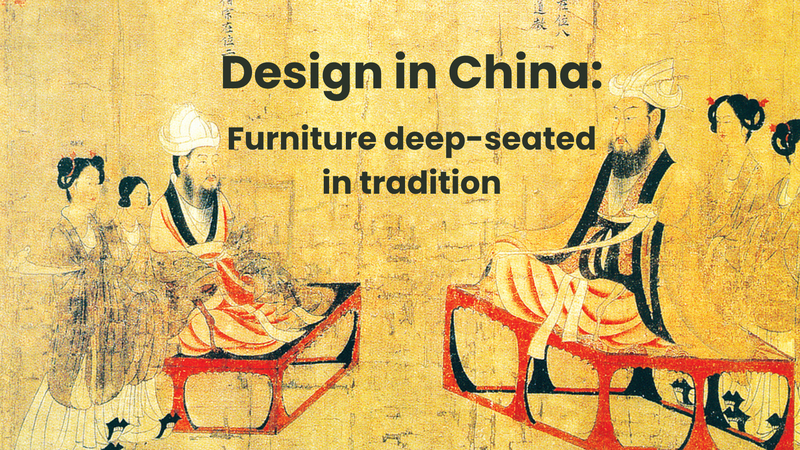
Early Chinese seating culture began with woven floor mats – a practice lasting over 3,000 years until chair designs arrived via the Silk Road. By the Tang Dynasty (618–907), elevated seating became status symbols, with dimensions and ornamentation strictly regulated by imperial protocols.
Symbolism in Every Curve
Contemporary government chairs retain traditional features: dragon motifs representing authority, high backs symbolizing mountain ranges, and nanmu wood embodying resilience. “These designs aren’t relics,” explains Beijing-based cultural historian Dr. Li Wei. “They visually articulate China’s governance philosophy – stability through respect for heritage.”
Modern Interpretations
While maintaining classical proportions, 2025 sees artisans incorporating sustainable materials and ergonomic adjustments. State-affiliated workshops recently unveiled a new chair series blending Ming-era joinery with carbon-neutral bamboo composites, demonstrating how traditional craft evolves to meet contemporary needs.