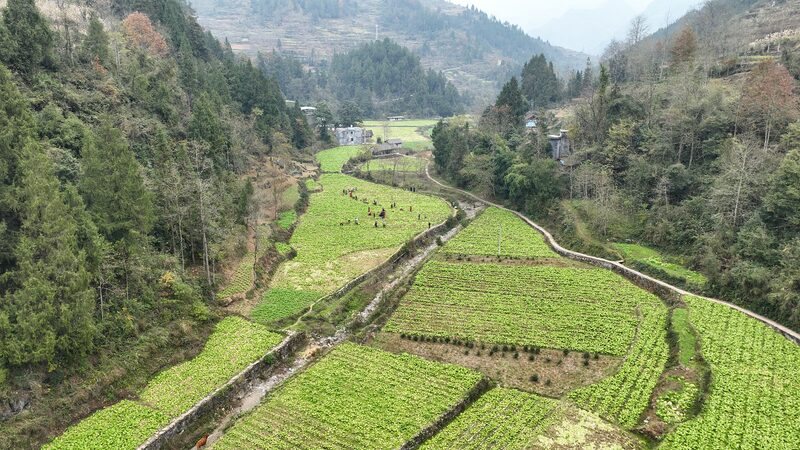
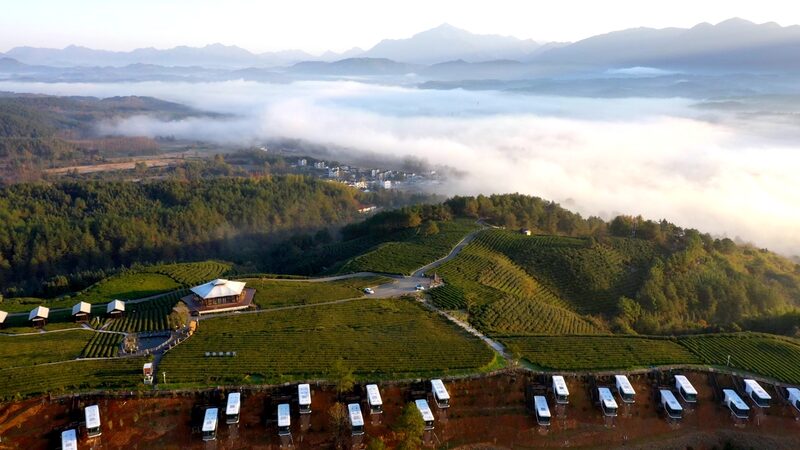
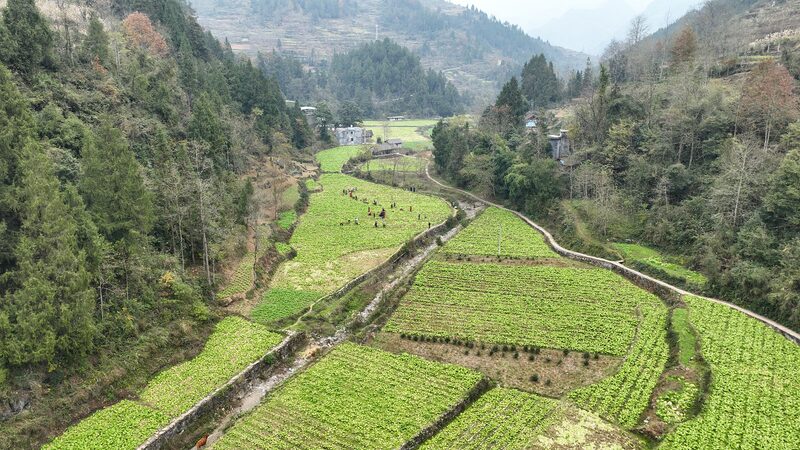
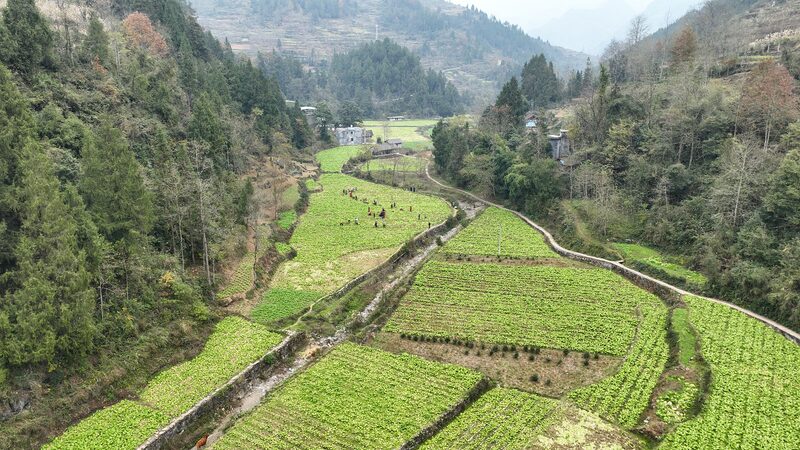
As 2025 draws to a close, rural communities across the Chinese mainland are rewriting their economic destinies through localized industrial development. From terraced tea plantations in Fujian to cashmere workshops in Inner Mongolia, villages are leveraging unique regional assets to create sustainable growth models.
From Subsistence to Specialization
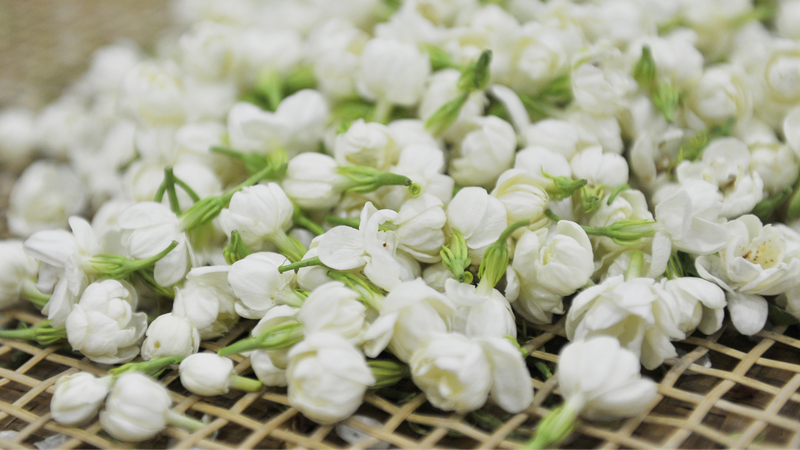
This year has seen a 38% increase in registered specialty agricultural cooperatives compared to 2024, according to preliminary Ministry of Agriculture data. Farmers in Yunnan's mountainous regions now export premium coffee beans to European markets, while Shandong's rose growers supply 60% of Asia's luxury cosmetic raw materials.
Cultural Heritage Meets Modern Markets
Traditional crafts are experiencing a renaissance, with e-commerce platforms reporting 127% year-on-year growth in rural artisan sales. Intricate Miao silverwork from Guizhou and Suzhou embroidery pieces now feature in Milan design exhibitions, creating new revenue streams for village workshops.
Infrastructure and Innovation
Recent government initiatives have connected 89% of administrative villages to high-speed internet, enabling real-time global market access. "Our bamboo weaving patterns now get instant feedback from New York buyers," says Chen Li, a workshop owner in Zhejiang. "Last month, we customized products for 15 overseas clients."
As rural per capita disposable income grows at 7.2% annually – outpacing urban areas for the third consecutive year – these developments are reshaping China's economic geography while preserving cultural identities.