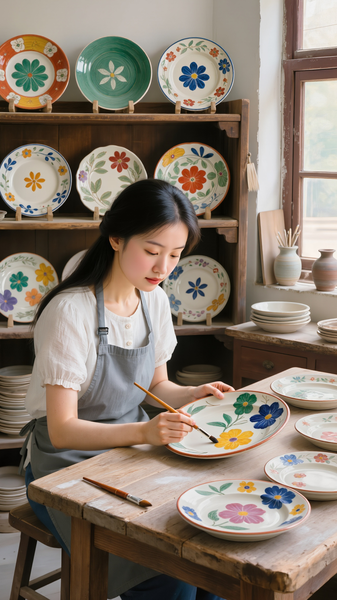
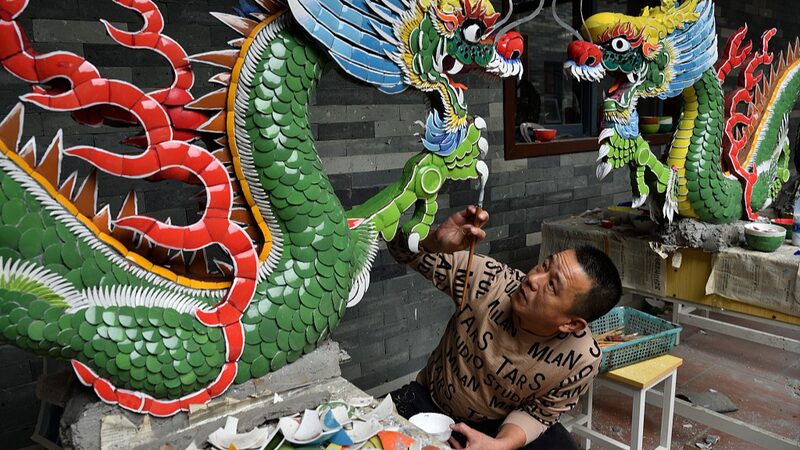
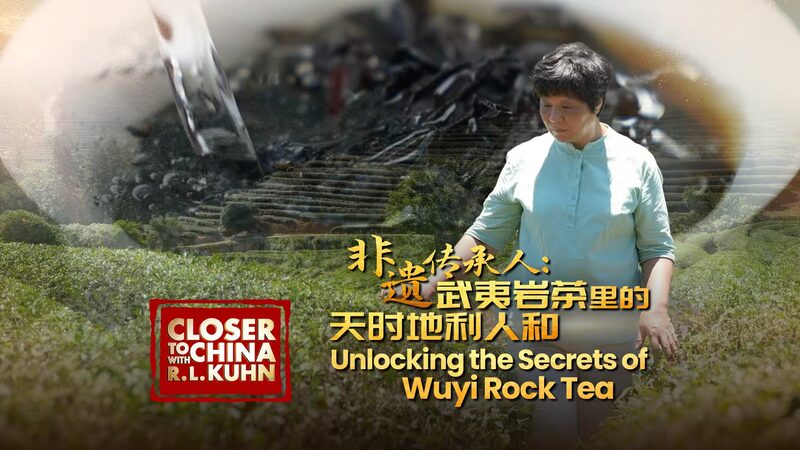
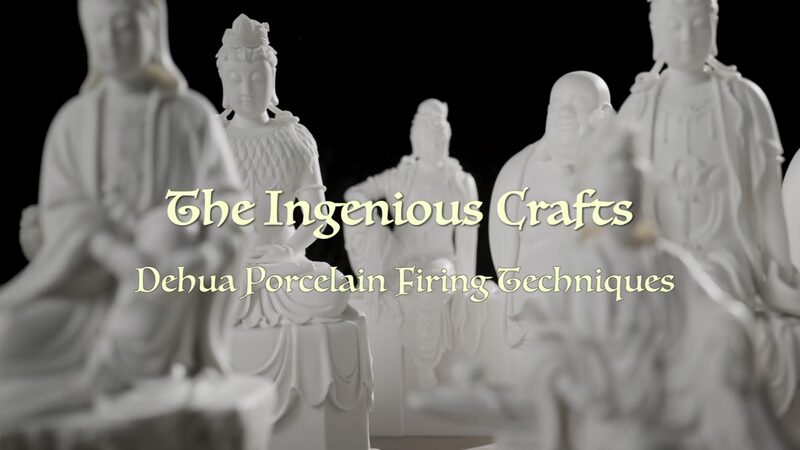
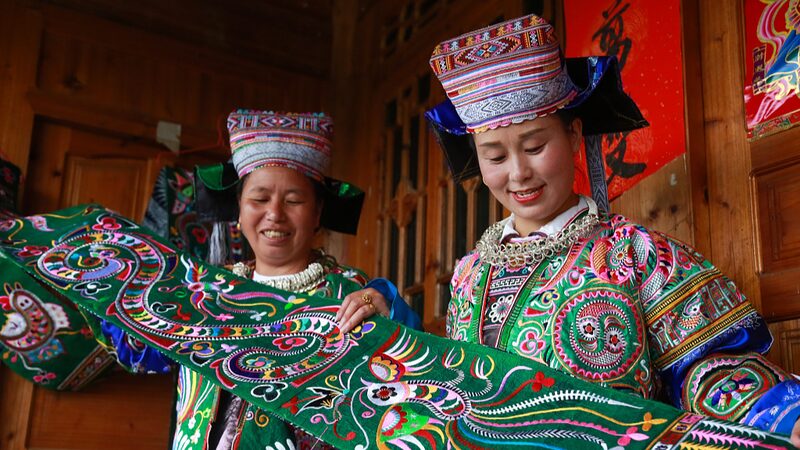
As 2025 draws to a close, rural communities across the Chinese mainland are rewriting their futures through ancient traditions. From revitalized lunar festivals in Guizhou to reinvented porcelain techniques in Jiangxi, cultural heritage has become both economic catalyst and social glue for villages embracing modernity while honoring their past.
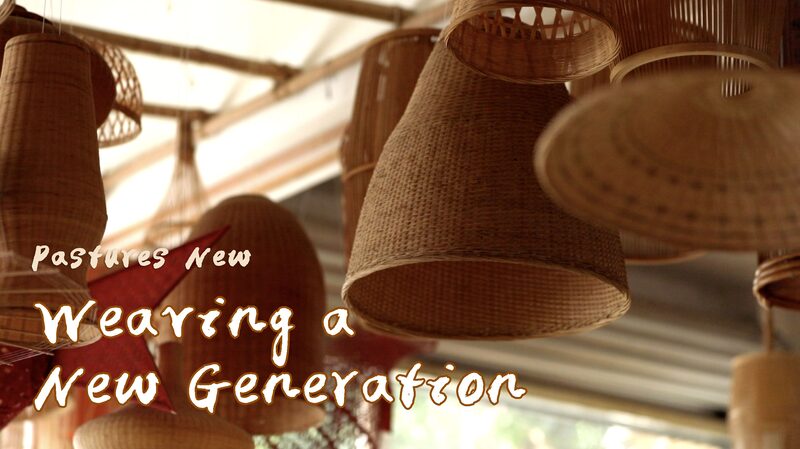
This year saw unprecedented investment in rural cultural projects, with over 120 traditional craft cooperatives established nationwide. In Zhejiang's Wuyi County, bamboo weaving patterns dating back to the Song Dynasty now adorn contemporary home decor sold through major e-commerce platforms. 'Our ancestors' wisdom feeds our children's future,' says cooperative leader Zhou Meili, whose group has tripled local artisans' incomes since March.
The cultural revival extends beyond commerce. This December, Shanxi villagers will debut a digital archive of Nuo opera performances, preserving masked rituals once threatened by urbanization. Meanwhile, state-supported 'intangible cultural heritage' tourism routes have attracted over 2 million international visitors this year, according to Ministry of Culture data released last week.
Academics note this movement's timing coincides with China's rural revitalization strategy. 'Traditional culture provides both identity anchors and development blueprints,' explains Tsinghua University cultural economist Dr. Wang Lin. 'In 2025, we're seeing villages transform from preservationists to innovators.'
As winter festivals approach, this fusion of old and new continues reshaping rural landscapes – proving that in 2025's China, cultural roots might be the ultimate growth engine.