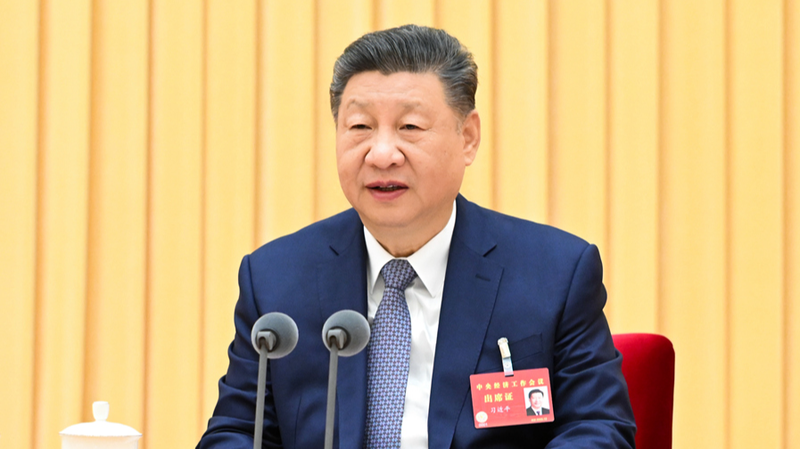
Chinese leaders concluded the annual Central Economic Work Conference in Beijing on December 11, setting the stage for economic priorities in the first year of the 15th Five-Year Plan (2026-2030). President Xi Jinping outlined a roadmap balancing stability with strategic advancement, emphasizing eight core tasks to drive sustainable growth amid global uncertainties.
Domestic Consumption Takes Center Stage
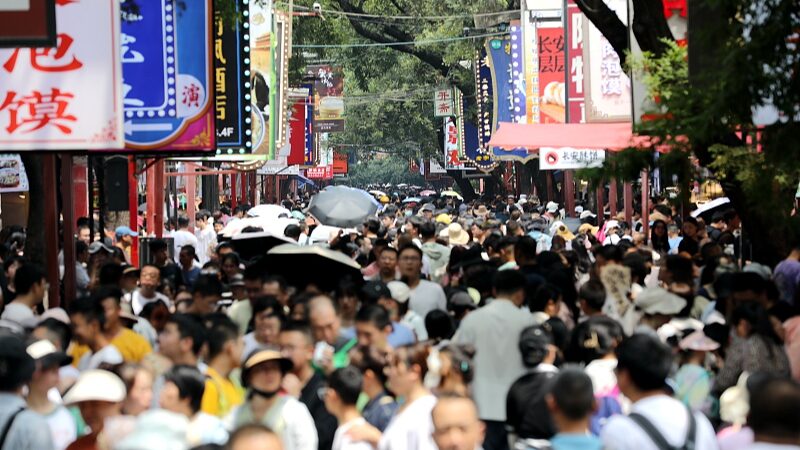
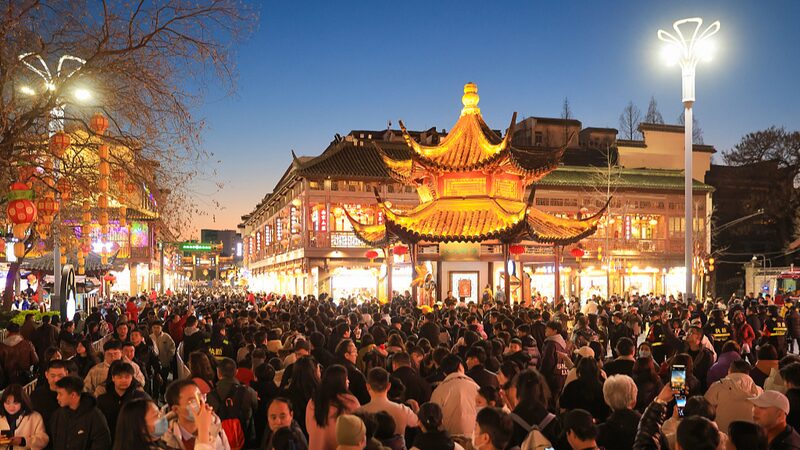
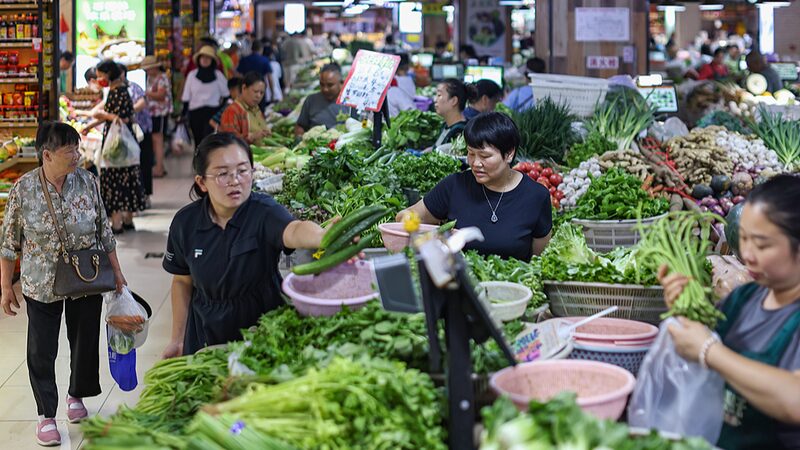
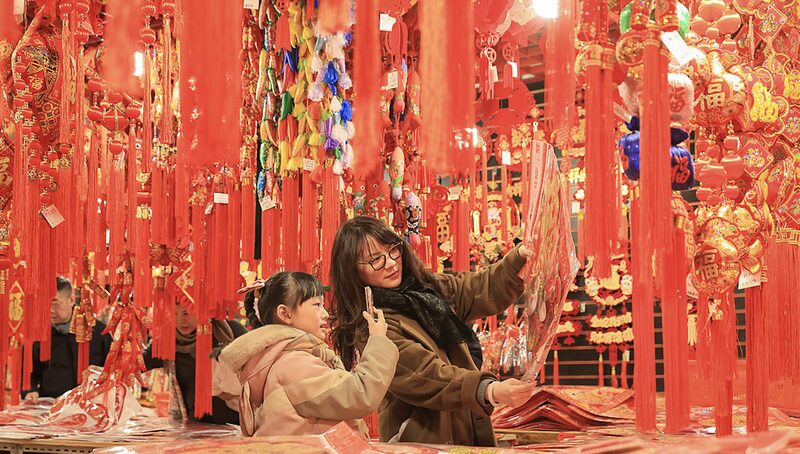
Policymakers identified domestic demand as 2026's primary growth engine, pledging to optimize equipment upgrade initiatives and consumer trade-in programs. This builds on 2025's resilient performance where final consumption contributed 53.5% to GDP growth through October, with retail sales surpassing 40 trillion yuan ($5.7 trillion). IMF Managing Director Kristalina Georgieva noted in a CGTN interview: "China's consumption-driven strategy provides crucial stability in turbulent times."
Innovation Ecosystems Expand
The conference prioritized establishing global innovation hubs across three mega-regions, with tech investment projected to reach 19% of GDP by 2026. Building on China's top-10 Global Innovation Index ranking, plans include strengthening AI governance and intellectual property protections. Bloomberg Economics forecasts the Shenzhen-Hong Kong-Guangzhou cluster will maintain its position as the world's most dynamic innovation ecosystem.
Opening Up as Strategic Imperative
Despite global trade headwinds, China recorded 3.6% import-export growth through November 2025. The conference committed to expanding service sector openness and advancing the Hainan Free Trade Port. A CGTN global survey found 89.1% of respondents anticipate worldwide benefits from China's continued market liberalization.
As the world's second-largest economy enters 2026, these policy directions signal both domestic transformation and sustained global engagement through structural reforms and consumption-driven growth models.