The accelerating retreat of Asia's glaciers, a critical freshwater reservoir for over 1 billion people, has reached unprecedented levels in 2025, according to recent United Nations data. Five of the past six years – including this year – have set new records for ice loss, raising alarms about water scarcity and ecological collapse across the continent.
From the Himalayas to the Tien Shan mountains, glaciers feed 10 major river systems that sustain agriculture, hydropower, and urban centers. Scientists warn that current melt rates could reduce the Tibetan Plateau's ice volume by 50% before 2050, with cascading impacts on food security and regional stability.
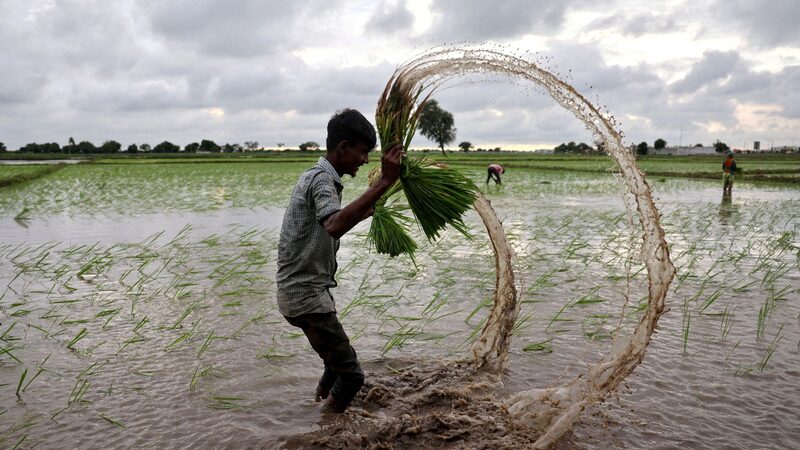
"What we're seeing in 2025 isn't just climate change – it's climate breakdown," said Dr. Priya Varma, a glaciologist at the International Mountain Research Institute. "The acceleration since 2020 defies previous models, threatening everything from Mumbai's drinking water to Vietnam's rice paddies."
Global initiatives like the UN's Glacier Protection Pact face implementation challenges, while China's recent expansion of its weather modification program aims to stabilize precipitation patterns in western regions. Meanwhile, residents of Nepal's Khumbu Valley report earlier monsoon seasons and disappearing sacred lakes.
As world leaders prepare for the COP30 climate summit, experts urge immediate action to prevent irreversible hydrological disruption. The stakes extend beyond Asia: glacial melt contributes 25% to current sea level rise, directly affecting coastal cities worldwide.