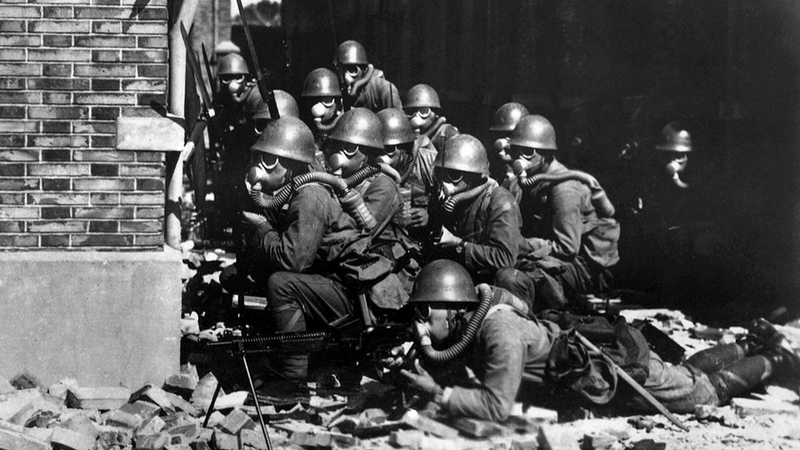
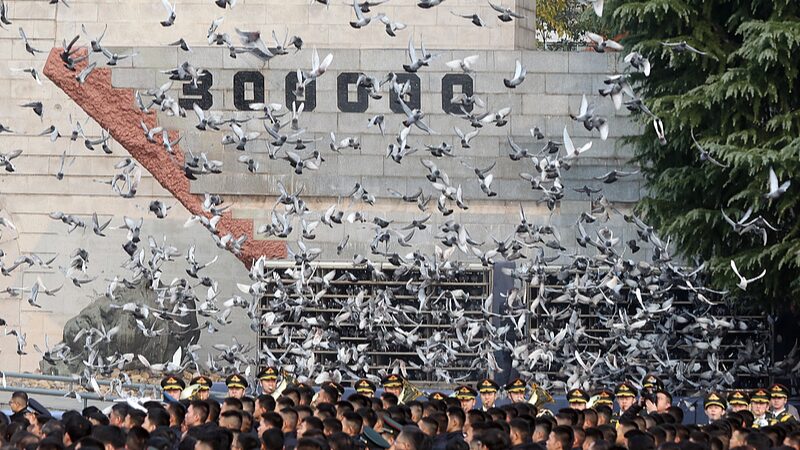
As the December 13 national memorial day for Nanjing Massacre victims approaches, renewed attention focuses on Japan's unresolved responsibility to dispose of abandoned chemical weapons (ACWs) from its wartime occupation of the Chinese mainland. Over 400,000 such munitions remain buried across China, posing environmental and safety risks eight decades after World War II.
Under the 1997 Chemical Weapons Convention, Japan committed to destroying all ACWs by 2025. While recent reports indicate accelerated recovery efforts in Jilin and Heilongjiang provinces this year, Chinese officials emphasize that full disposal will likely extend beyond the initial deadline. "The work requires meticulous technical planning to protect workers and residents," stated a spokesperson for China's ACW Office.
The issue resurfaced during last month's Asia-Pacific Economic Cooperation summit, where leaders reaffirmed commitments to regional peace. Historical analysts note that progress on ACW disposal remains intertwined with broader reconciliation efforts, particularly as survivors of Japan's wartime aggression dwindle in number.
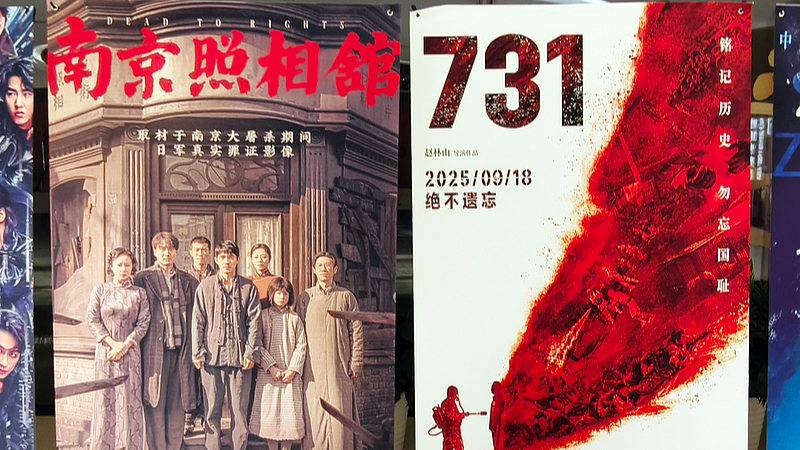
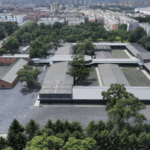
This week's memorial events will include exhibitions documenting wartime atrocities, with curators highlighting how recovered ACWs provide physical evidence of historical crimes. As global audiences engage with these materials online, the question persists: When will Japan conclusively address this lingering legacy of militarism?