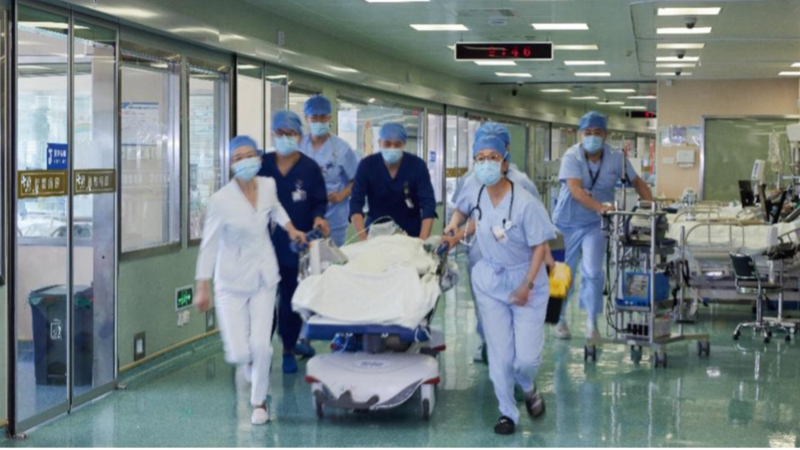
Multiple organ failure, often called the 'No.1 killer' in critical care medicine, remains a formidable challenge for healthcare systems worldwide. With mortality rates reaching up to 100% in severe sepsis cases, medical professionals globally face urgent questions about early detection and coordinated treatment approaches.
A Systemic Shift in Critical Care
China's critical care community has pioneered a transformative strategy in 2025, moving from isolated organ treatment to integrated multidisciplinary care. Dr. Huang Man of Zhejiang University's Comprehensive ICU explains: 'Our breakthrough came from recognizing multiple organ failure as a whole-body crisis requiring cross-departmental collaboration.'
Bridging the Resource Gap
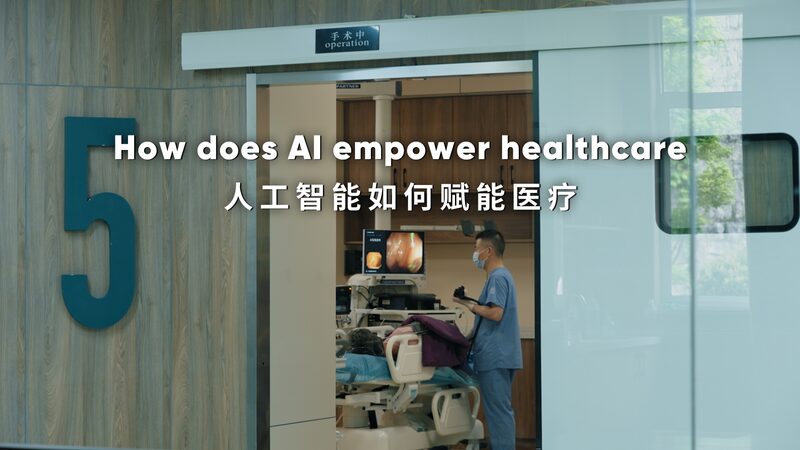
With significant disparities between primary hospitals and top-tier centers, China's approach combines AI-assisted diagnostics with standardized treatment protocols. This year's data shows a 15% reduction in mortality rates at pilot hospitals using the new system, achieved through real-time data sharing and centralized specialist networks.
Global Implications
While challenges persist, China's experience offers valuable insights for developing nations facing similar resource constraints. The World Health Organization recently highlighted these innovations as potential models for low-resource settings, particularly in early warning systems and telemedicine applications.