As China prepares to implement its 15th Five-Year Plan (2026–2030), aviation pioneer Zhang Bo reveals how strategic investments in low-altitude airspace could redefine transportation and economic growth. The initiative aims to position China as a global leader in emerging aviation technologies while addressing urban mobility challenges.
Blue Sky Ambitions
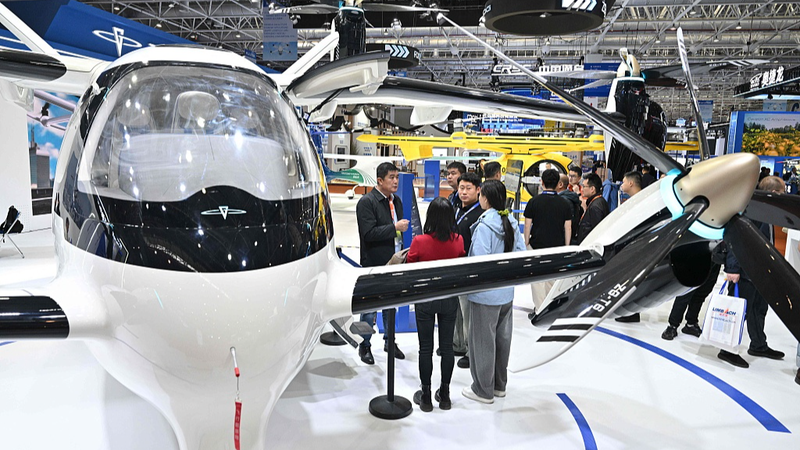
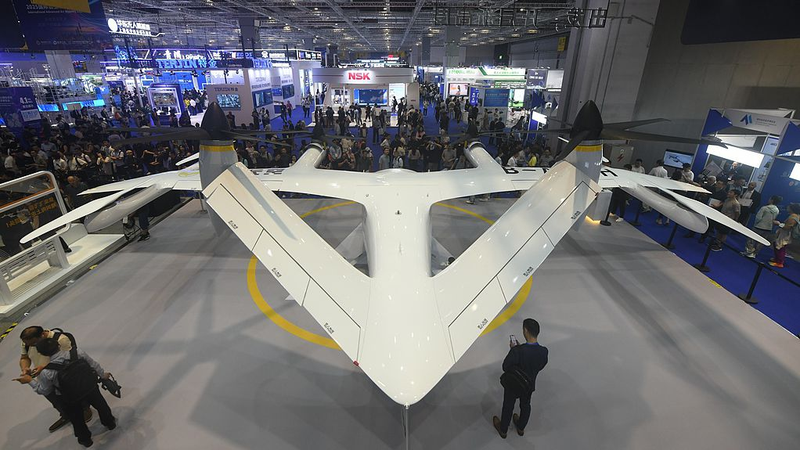
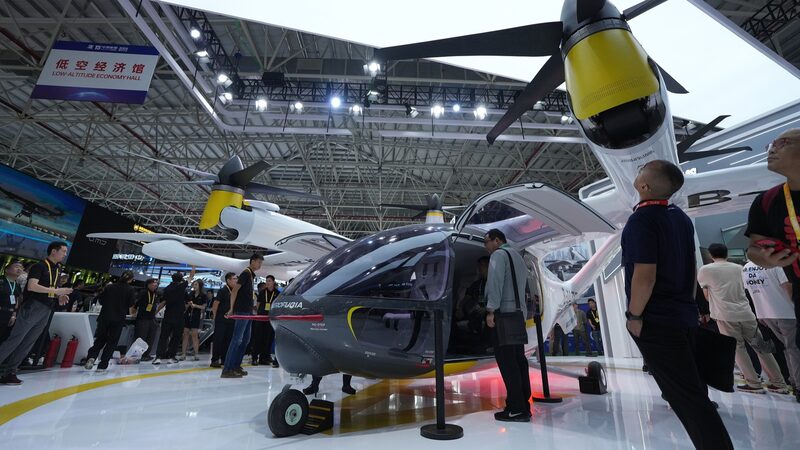
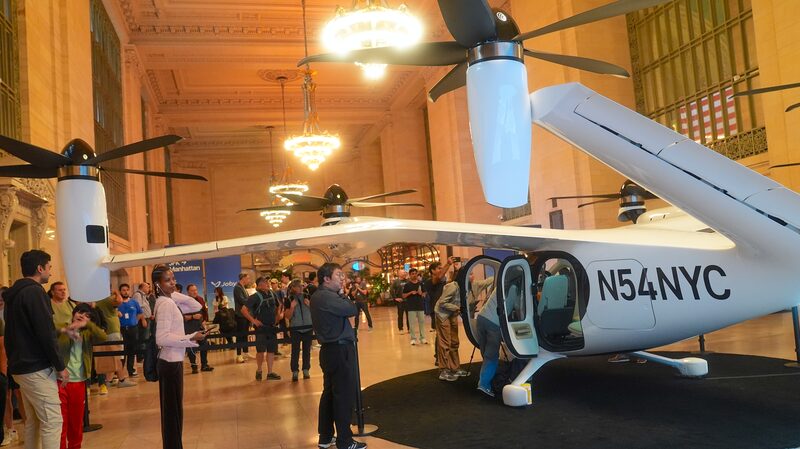
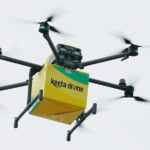
Zhang, who made history with his 2016 solo circumnavigation flight, emphasizes the plan's focus on integrating drone logistics, air taxi services, and emergency response systems. "This isn't just about flying cars – it's about building an entirely new dimension for economic activity," he notes, highlighting potential applications in e-commerce and medical supply delivery.
Infrastructure Revolution
The proposed aviation system requires:
Advanced air traffic management platforms
Standardized vertiport networks
Enhanced weather monitoring systems
These developments are expected to create synergies with China's renewable energy and smart city initiatives, particularly in the Guangdong-Hong Kong-Macao Greater Bay Area.
Global Implications
With the global low-altitude economy projected to exceed $1.5 trillion by 2030, China's investments could reshape international supply chains and urban planning paradigms. The plan aligns with broader efforts to transition toward high-value manufacturing and service industries.