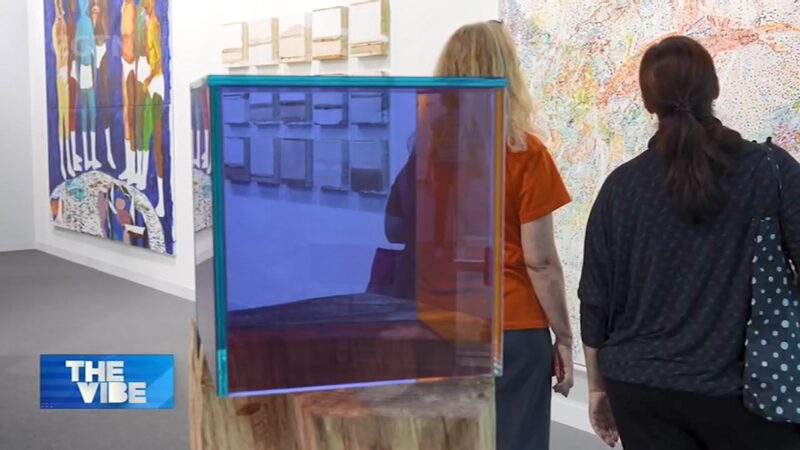
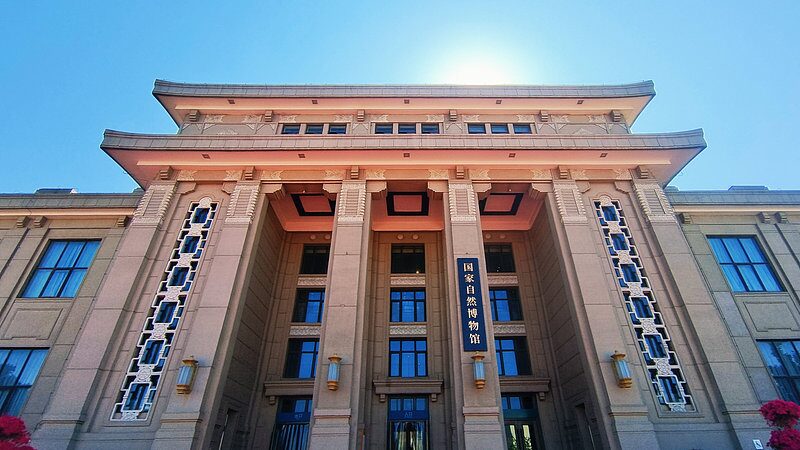
Once a cluster of state-owned electronics factories, Beijing's 798 Art Zone has transformed into a vibrant testament to China's cultural renaissance. The sprawling complex in Chaoyang District now houses over 200 galleries and art spaces within its preserved Bauhaus-style industrial architecture, blending mid-20th century history with contemporary creativity.
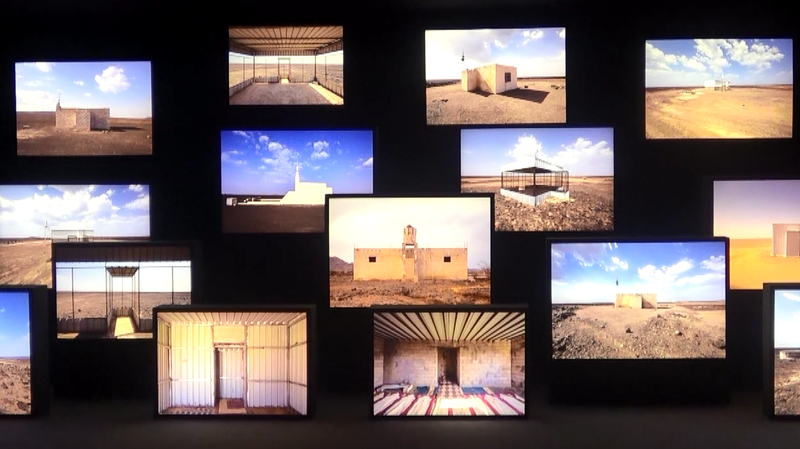
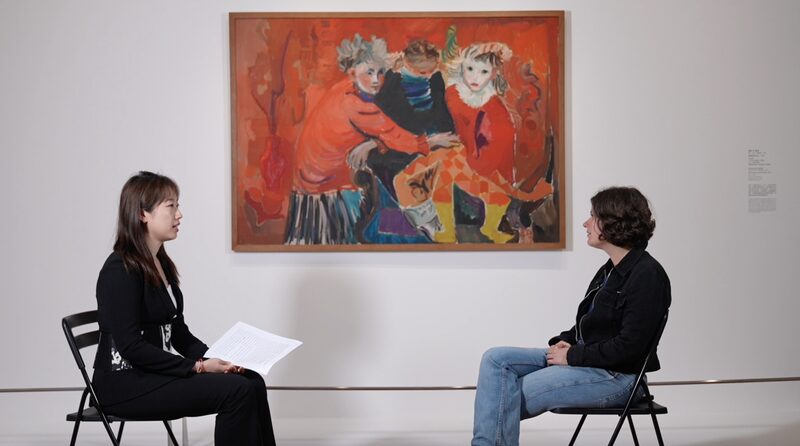
This year, the zone has seen record footfall with new installations exploring themes of technological integration and cross-cultural dialogue. International artists from 17 countries currently showcase works alongside emerging Chinese creators, creating what curator Li Wei calls "a living museum of global artistic exchange."
For business analysts, the area demonstrates successful urban regeneration – property values in surrounding neighborhoods have risen 12% since 2024. Cultural economists note the zone contributes an estimated $150 million annually to Beijing's creative industries.
Asian diaspora visitors frequently cite 798 as a must-see destination, with its combination of nostalgic industrial aesthetics and cutting-edge digital art exhibitions. Travel advisories highlight convenient access via Beijing's Subway Line 14, with extended evening hours during winter cultural festivals.