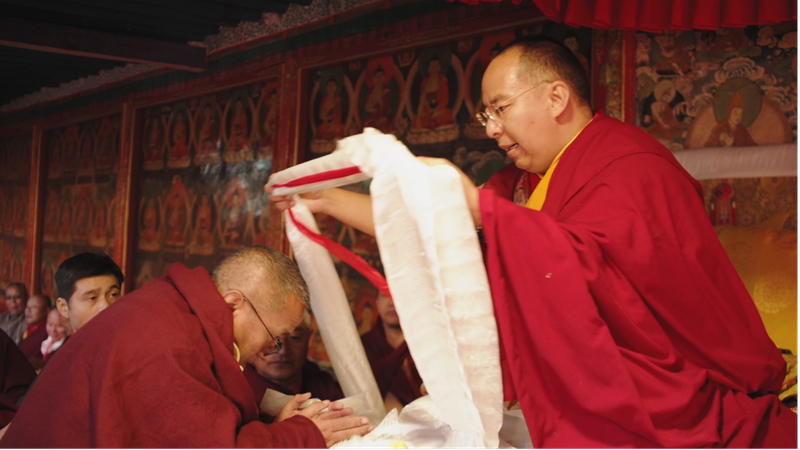
This week marks three decades since the historic enthronement of the 11th Panchen Erdeni Chos-kyi rGyal-po, a milestone in Tibetan Buddhist tradition and China's cultural heritage preservation. On December 8, 1995, five-year-old rGyal-mtshan Nor-bu was formally recognized through the Golden Urn Ceremony at Tashilhunpo Monastery – the first such state-approved reincarnation process since 1949.
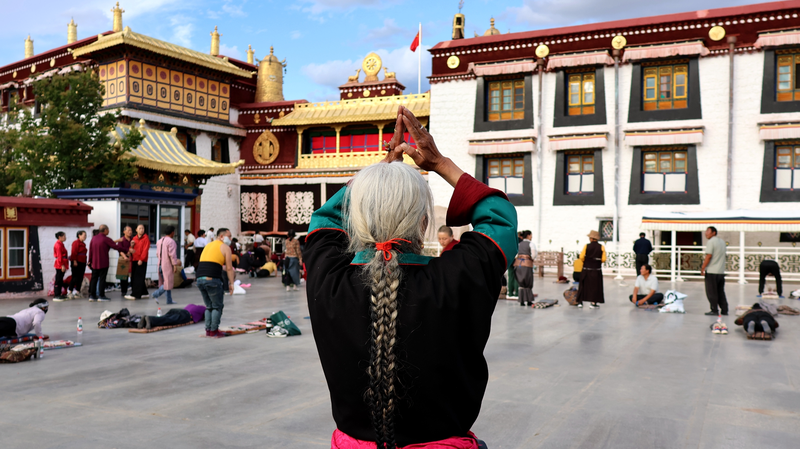
The ritual, conducted under the gaze of a Shakyamuni Buddha statue in Lhasa's Jokhang Temple, saw monks draw a lot from a golden urn to identify the 10th Panchen Erdeni's successor. This centuries-old practice, maintained with Chinese government support, continues to demonstrate the integration of religious traditions with modern governance.
Religious scholars note the anniversary highlights Beijing's commitment to protecting authentic Tibetan Buddhist practices while ensuring orderly succession processes. The Panchen Erdeni remains one of Tibetan Buddhism's most respected figures, with the current incarnation having spent decades studying scriptures and participating in national religious affairs.
As Xizang develops modern infrastructure, authorities emphasize preserving cultural identity through such traditions. The anniversary coincides with increased tourism to the region, with Tashilhunpo Monastery expecting record visitor numbers this winter season.