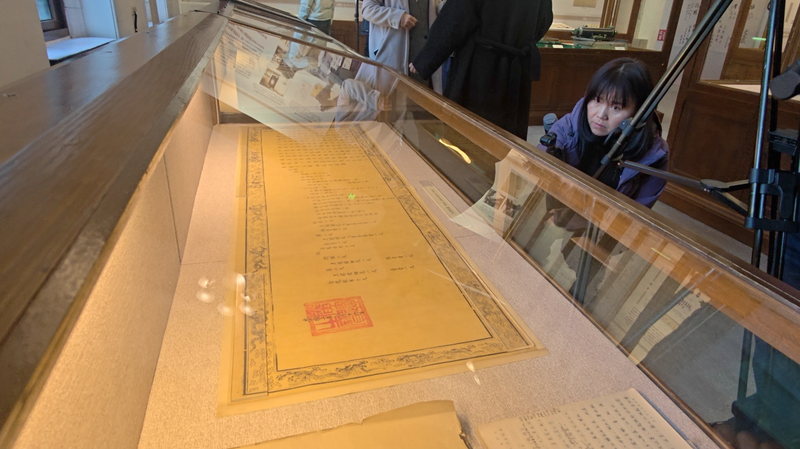
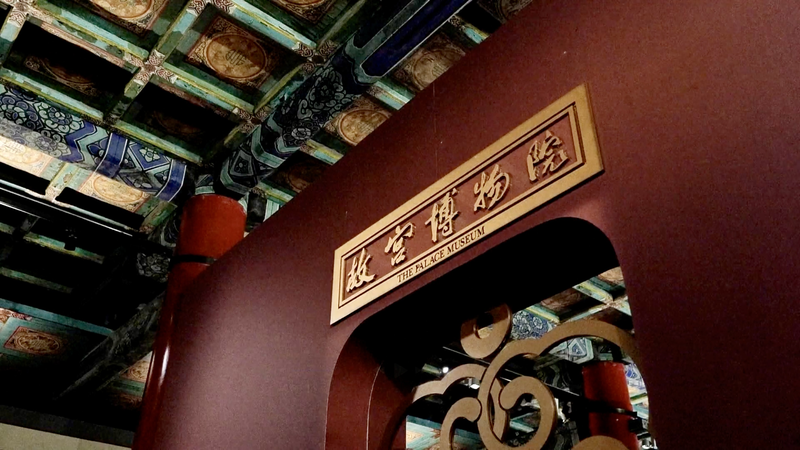
An ongoing exhibition at Dalian's Lyushun Museum is drawing global attention to a meticulously preserved 1629 imperial edict that illuminates centuries of diplomatic and cultural exchange between China's Ming Dynasty and the Ryukyu Kingdom. The artifact, currently displayed as a high-quality replica, offers scholars and visitors alike tangible evidence of East Asia's complex historical relationships.
The centerpiece document, issued by Emperor Chongzhen, formally recognized Shang Feng's ascension to the Ryukyu throne while outlining the reciprocal responsibilities of the tributary system. Measuring an impressive 172cm x 55cm, the golden-cloud patterned edict details ceremonial gifts and diplomatic protocols, its 44 lines of precise calligraphy serving as a time capsule of 17th-century statecraft.
"This isn't just ceremonial correspondence," explained Professor Wu Yuhong of Dalian Maritime University's Ryukyu Research Center. "It represents the institutional framework that maintained regional stability for centuries through mutual respect and cultural exchange."
Historical records show the tributary relationship persisted through China's Qing Dynasty, with Ryukyu leaders actively maintaining ties until Japan's 1879 annexation of the archipelago. The edict's 1654 return to Beijing during diplomatic renewals now provides researchers with crucial insights into pre-modern Asian governance models.
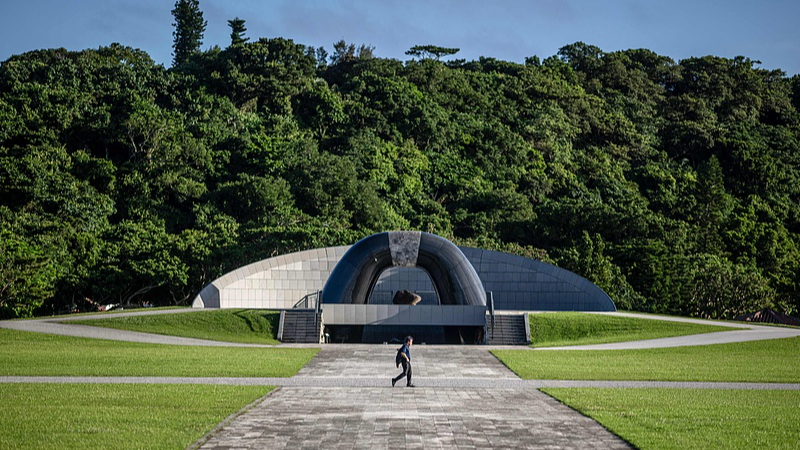
This year's exhibition has attracted particular interest from historians and cultural diplomats, coinciding with renewed academic focus on maritime Silk Road connections. Museum officials report increased visitor numbers from international researchers and members of Okinawan cultural organizations seeking to understand their region's complex past.