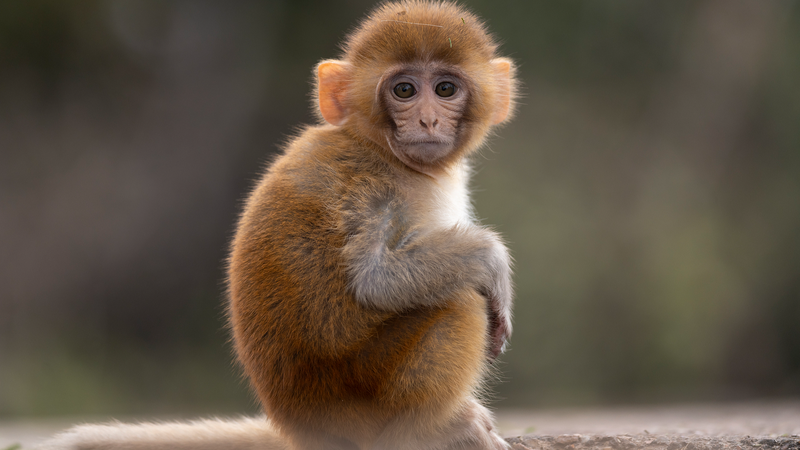
Chinese researchers have unveiled groundbreaking insights into the aging process through a comprehensive study of rhesus macaques, marking a significant leap in primate biomedical research. A team from the Kunming Institute of Zoology (KIZ) under the Chinese Academy of Sciences recently completed a multi-organ molecular analysis of aging in these primates, whose biological similarities to humans make them crucial for understanding age-related diseases.
The study, published this month, examined molecular changes across all major organ systems – from cardiovascular tissue to neural networks – providing the most complete portrait of primate aging to date. 'This work establishes a foundational framework for developing interventions against age-related disorders,' said lead researcher Dr. Zhang Wei in an exclusive statement to KhabarAsia.com.
With global life expectancy rising, the research holds particular relevance for Asia's rapidly aging populations. Pharmaceutical companies and biotech investors are already showing interest in potential commercial applications, according to industry analysts consulted for this report.
The KIZ team collaborated with seven mainland Chinese research institutions over three years, employing advanced genomic sequencing and AI-driven data analysis. Their findings could inform future clinical trials targeting conditions like Alzheimer's disease and cardiovascular disorders.