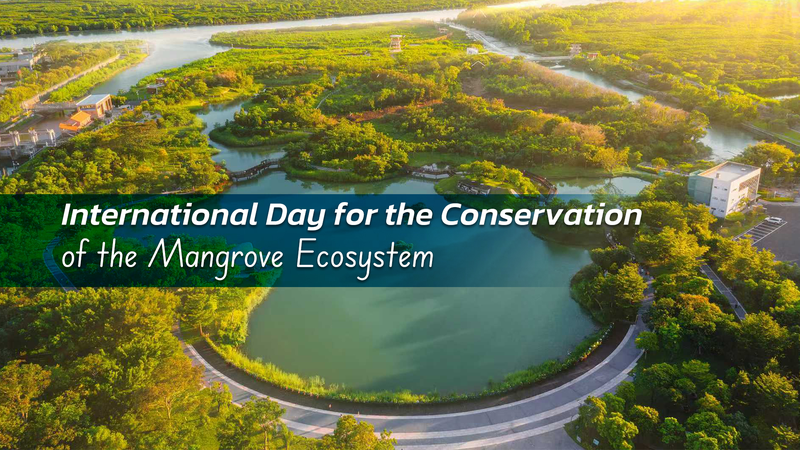
China has unveiled its 2025 Ecological Protection Red Line Blue Book, revealing measurable progress in safeguarding critical ecosystems since the full implementation of the conservation network in 2022. The report documents a 3,344-square-kilometer expansion of protected forest areas and a 35% reduction in human activity within marine conservation zones over the past three years.
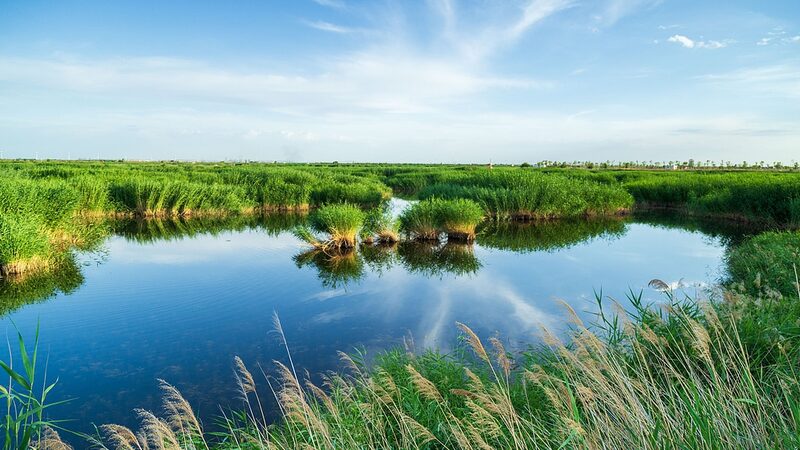
Central to China's ecological civilization strategy, the red line system has driven significant environmental recoveries. Terrestrial protected zones show 1.29% increased vegetation cover and 2.22% higher net primary productivity, while marine ecosystems report 22% mangrove growth, 5.5% coral recovery, and 9.4% seagrass bed expansion since 2022.
The system maintains strict ecological boundaries while permitting regulated development of essential infrastructure. Advanced monitoring networks combining satellite imagery, aerial surveys, and ground sensors enable real-time tracking of conservation outcomes and human impacts.
Pilot programs in ecological compensation and community engagement are creating scalable models for sustainable management. The report underscores China's commitment to balancing environmental protection with socioeconomic needs through multi-level governance coordination and science-based policymaking.
This comprehensive assessment provides critical data for international discussions on large-scale ecosystem management, positioning China's red line system as a potential blueprint for global conservation efforts.