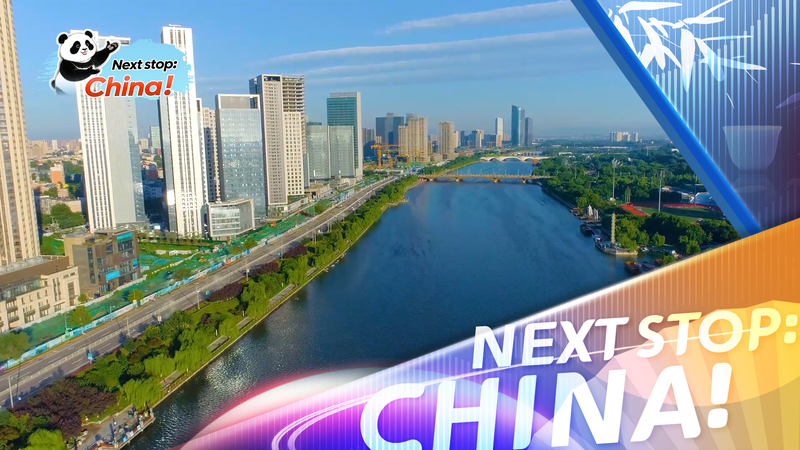
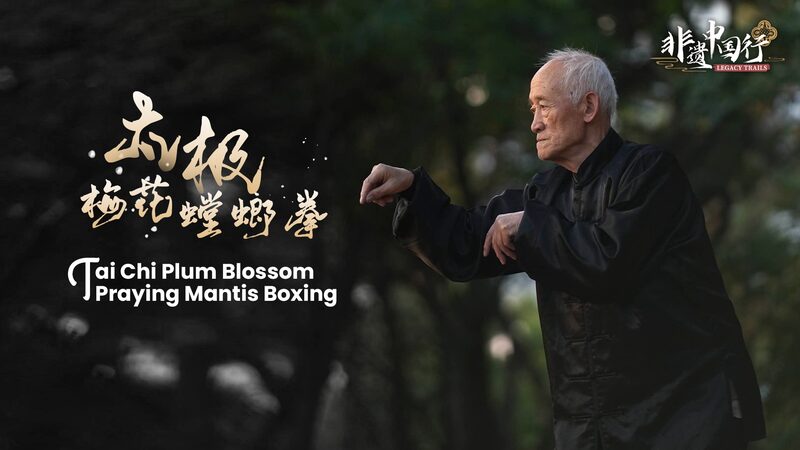
As dawn breaks over Beijing's Tongzhou District, the Grand Canal awakens to a symphony of cultural vitality. Residents gather along its historic banks, practicing shuttlecock kicking and fan dancing – movements passed down through generations that now blend seamlessly with the hum of modern urban life. The rhythmic whirr of the kongzhu (Chinese yo-yo) creates a percussive backdrop to morning conversations, while tai chi practitioners move in silent harmony with the water's gentle flow.
This UNESCO World Heritage Site, once the lifeblood of imperial trade routes, now serves as a living stage for Beijing's community spirit. Office workers clutching steaming breakfast buns pause to watch elderly masters demonstrate traditional techniques, their movements as fluid as the canal itself. The scene offers investors and urban planners alike a case study in balancing heritage preservation with contemporary urban development.
For travelers and diaspora communities, these morning rituals provide an authentic window into Beijing's soul – where ancient cultural practices remain woven into the fabric of 2025 city life. As winter sunlight filters through the leafless willows, the canal's timeless appeal reminds observers why this 2,500-year-old waterway continues to shape China's cultural identity in the modern era.