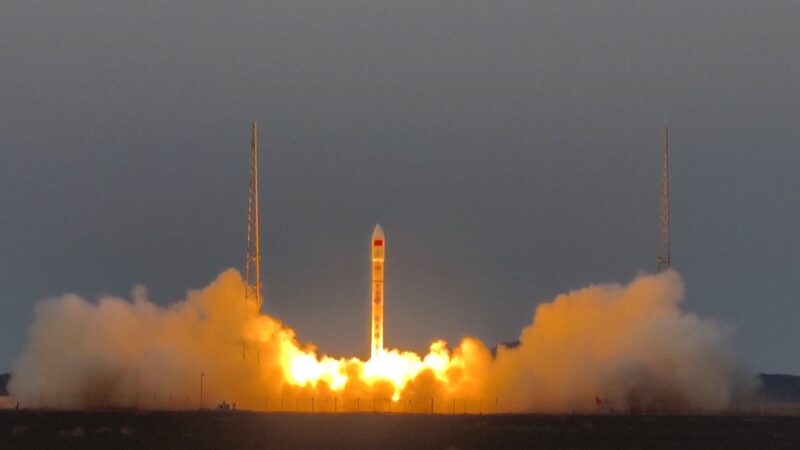
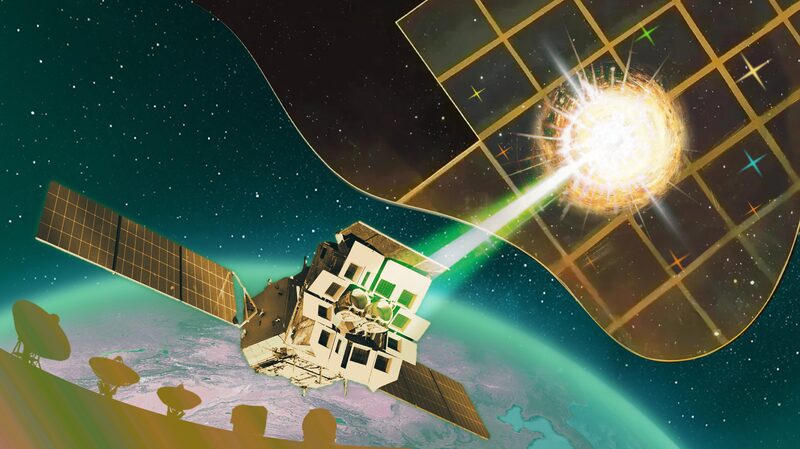
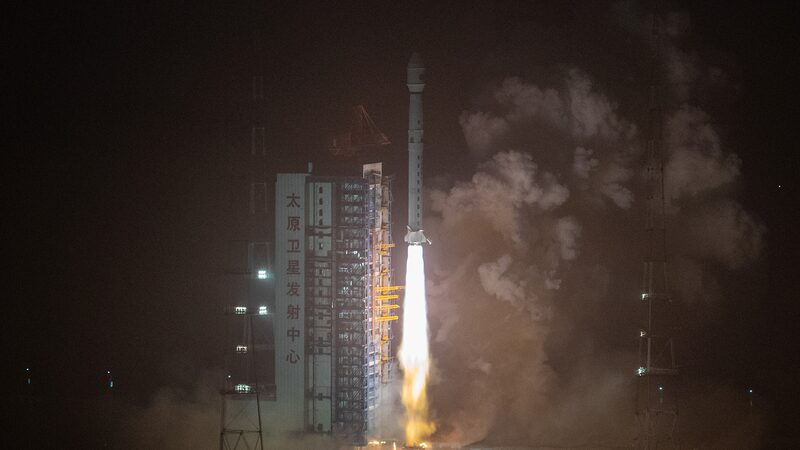
China's Einstein Probe (EP) satellite has revolutionized astronomical research since its January 2024 launch, capturing unprecedented cosmic phenomena through advanced X-ray detection technology. The mission, led by the Chinese Academy of Sciences with international partners, continues to deliver groundbreaking insights into black holes, stellar explosions, and high-energy astrophysical events.
Slow-Motion Cosmic Fireworks
In 2025, EP detected EP241021a – a 40-day X-ray eruption accompanied by a relativistic jet, described by researchers as a "slow-evolving cosmic firework." This rare event, published in Astrophysical Journal Letters, provides new clues about intermediate-mass black holes and catastrophic stellar explosions. "This discovery reshapes our understanding of extreme cosmic events," said Professor Shu Xinwen of Anhui Normal University.
Hidden Black Hole Population Revealed
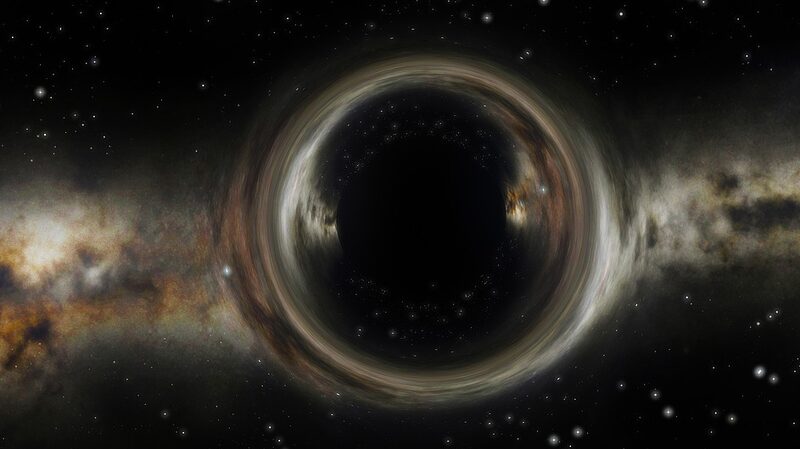
The probe's September 2024 detection of EP240904a – a faint X-ray burst 100 times dimmer than typical black hole eruptions – identified a new black hole candidate in the Milky Way. NAOC researcher Cheng Huaqing noted: "EP gives us the key to systematically uncover silent black holes previously invisible to other telescopes."
Autonomous Space Detective
EP demonstrated its autonomous capabilities in August 2024 by detecting and tracking EP240801a, an extremely rare "soft" X-ray flash. The event's analysis with NASA's Fermi satellite revealed new insights into gamma-ray burst diversity. "EP completes discovery-to-analysis workflows autonomously – a game-changer in cosmic monitoring," said NAOC researcher Xu Dong.