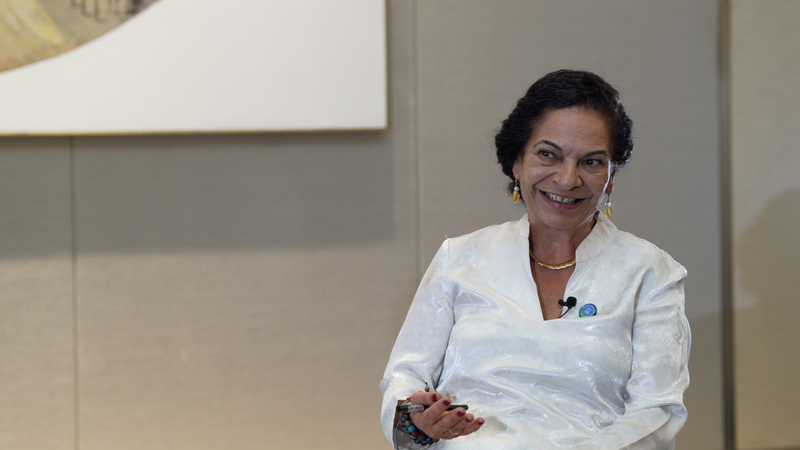
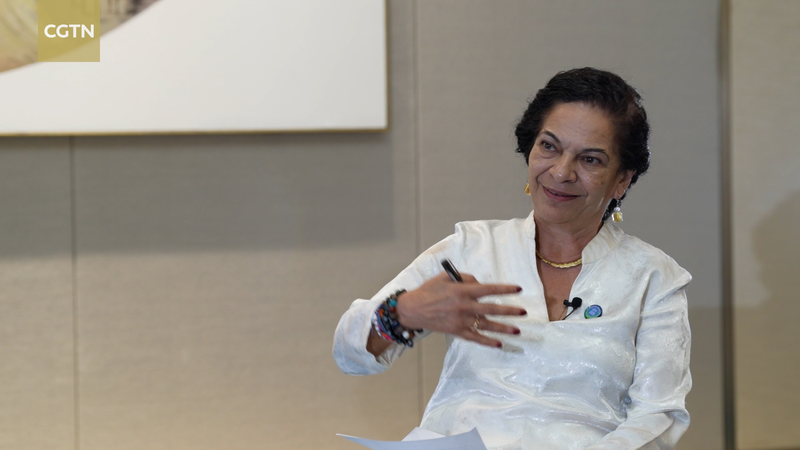
As global leaders prepare for the UN Climate Summit on September 24, UNESCO’s groundbreaking work in biosphere reserves offers a blueprint for tangible climate solutions. In an exclusive interview at the World Congress of Biosphere Reserves, Lidia Brito, UNESCO’s Assistant Director-General for Natural Sciences, outlined how science and community-driven initiatives are addressing the dual crises of climate change and biodiversity loss.
Living Laboratories for a Sustainable Future
Brito emphasized that UNESCO’s 738 biosphere reserves worldwide—including key sites across Asia—serve as "living laboratories." These zones monitor critical environmental shifts, from disrupted water cycles to endangered species, while testing sustainable practices like regenerative agriculture and eco-tourism. "This isn’t theoretical," Brito noted. "Communities in Nepal’s Himalayas and Indonesia’s rainforests are already adapting to climate impacts using these models."
Data Without Borders
With climate challenges ignoring political boundaries, Brito stressed the necessity of international cooperation. UNESCO’s networks enable real-time data sharing between Asian reserves and global partners, informing policies on resource management and disaster resilience. "When a mangrove restoration project in Thailand succeeds, that knowledge benefits coastal regions from Bangladesh to Fiji," she explained.
A Unified Path Forward
While acknowledging Asia’s unique vulnerabilities—from melting glaciers to megacity heatwaves—Brito expressed optimism: "Biosphere reserves prove that balancing human needs with ecological protection is possible. This isn’t just about survival; it’s about redefining our relationship with nature." As the Climate Summit approaches, UNESCO’s model highlights the urgency of uniting science, policy, and local wisdom to build a resilient future.