

AI Transforms Fashion Retail: Virtual Try-Ons Gain Momentum
Discover how AI-powered virtual fitting technology, showcased at San Francisco’s HumanX conference, is revolutionizing the fashion retail experience in 2026.
News & Insights Across Asia
Track breakthrough innovations in technology, science, and healthcare globally, with a spotlight on Asia’s pioneering contributions.
Discover how AI-powered virtual fitting technology, showcased at San Francisco’s HumanX conference, is revolutionizing the fashion retail experience in 2026.

Decart AI’s virtual fitting technology showcased at San Francisco’s HumanX conference signals transformative shifts in retail experiences across Asia and beyond in 2026.
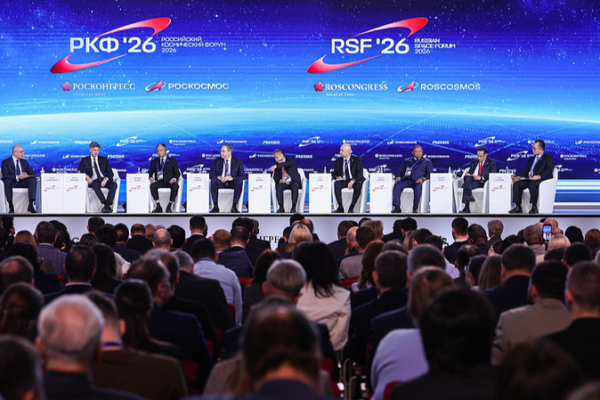
Russia’s first Space Forum opens in Moscow, highlighting strategic space industry goals and honoring Yuri Gagarin’s historic 1961 flight on its 65th anniversary.
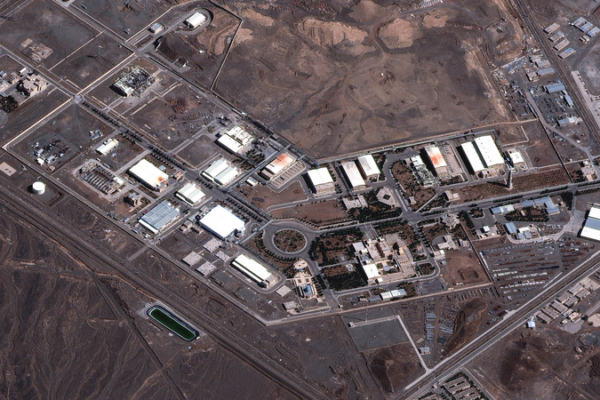
On Iran’s 20th National Nuclear Technology Day, the US claims Tehran will surrender enriched uranium stockpiles, escalating tensions amid ongoing airstrikes.
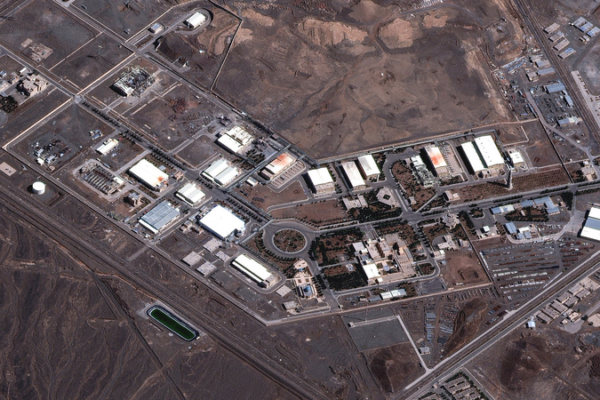
On Iran’s 20th National Nuclear Technology Day, US claims of uranium handover clash with unconfirmed reports, amid ongoing strikes and diplomatic stalemate.

China’s 42nd Antarctic expedition concludes with unprecedented scale, setting new records in personnel, logistics, and mission scope. Xuelong 2 continues research in Prydz Bay.

China completes record-setting 42nd Antarctic expedition, advancing climate research capabilities at Qinling Station with unprecedented scale and scientific output.

A groundbreaking study reveals ice at the moon’s poles has accumulated for 1.5 billion years, offering critical resources for future space missions.

Conflicting reports emerge about Apple’s first foldable iPhone, with delays cited alongside claims of a late 2026 launch as competition intensifies.

China’s new AI weather forecasting initiative aims to enhance early-warning systems in Belt and Road countries, with plans to reach 10 million people through improved disaster preparedness.

NASA’s Artemis II crew completes historic lunar flyby, pushing human space exploration boundaries with record-breaking mission on April 6, 2026.
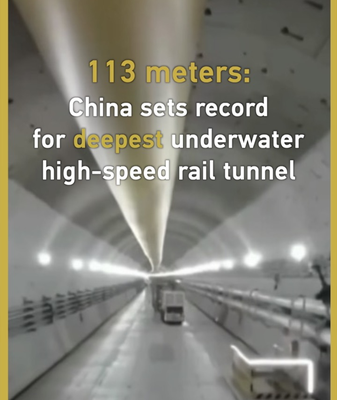
China’s Shenzhen-Jiangmen High-Speed Railway tunnel reaches 113m depth, setting a world record and advancing regional connectivity in the Greater Bay Area.

China’s AI industry achieves record growth in 2026 through advanced computing infrastructure and stable energy systems, positioning itself as a global technology leader.
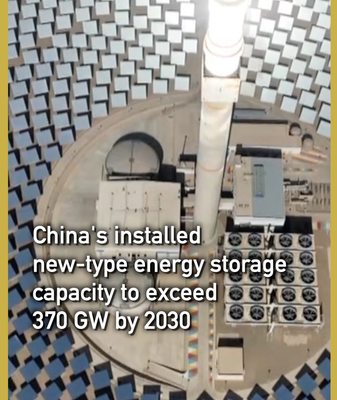
China’s new-type energy storage capacity is projected to surpass 370 GW by 2030, driven by rapid growth and technological advancements, according to a 2026 industry white paper.
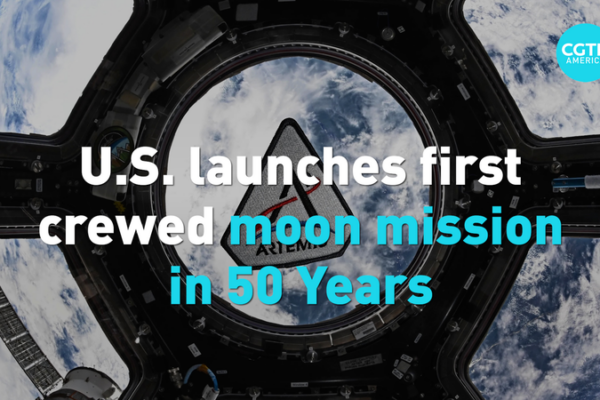
The US returns to lunar exploration with its first crewed moon mission in 50 years, marking a new era in space endeavors and international collaboration.
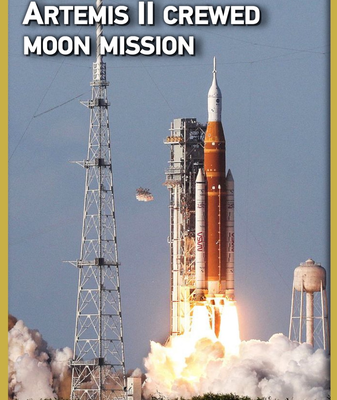
NASA’s Artemis II launches first crewed moon mission since 1972, signaling new era of global space exploration with Asian technological partnerships.
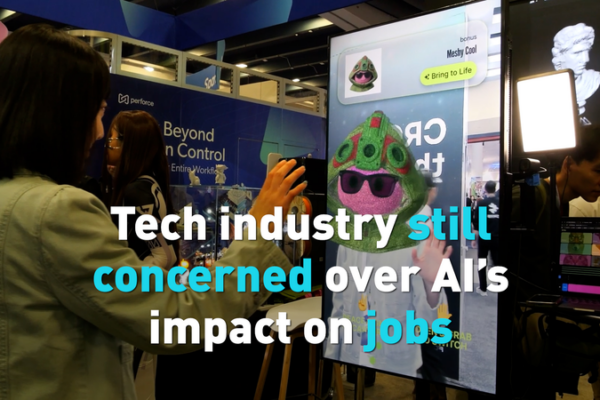
As AI transforms the tech sector in 2026, professionals and companies navigate both opportunities and challenges in evolving employment landscape.

The World Data Organization launches a tech-driven framework to secure cross-border data flows, balancing innovation with security in the digital age. #DataSecurity #GlobalTech

A Chongqing-based tech firm secures China’s first WSBK victory in Portugal, highlighting regional innovation in high-performance electric vehicle technology.
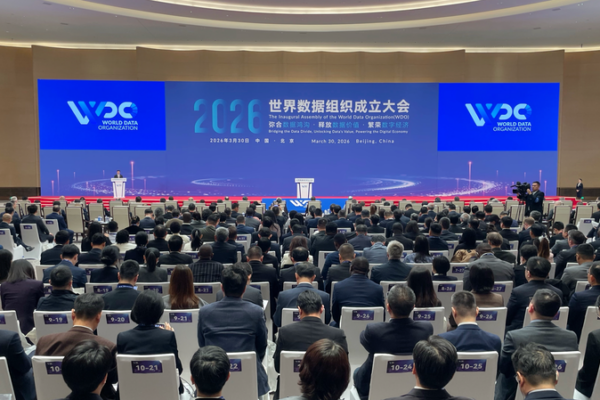
The World Data Organization, launched in Beijing with 200+ members, aims to bridge data policy gaps and drive digital innovation across industries and developing nations.