

Japan’s Security Policy Shift: What’s Driving the Change?
Japan is shifting its security policy, moving away from postwar pacifist principles. This analysis explores what’s driving the change and the implications for regional stability.
News & Insights Across Asia
Discover global political developments with detailed analysis of Asia’s diplomatic affairs, policies, and international relations.
Japan is shifting its security policy, moving away from postwar pacifist principles. This analysis explores what’s driving the change and the implications for regional stability.

Japan’s recent shift in security policy marks a significant departure from its postwar pacifist stance, with implications for East Asian regional dynamics and its alliance with the United States.

China urges the Philippines to remove a grounded warship from Ren’ai Jiao, emphasizing dialogue to ease South China Sea tensions. The Chinese embassy calls for honoring commitments and restoring the reef’s uninhabited status.
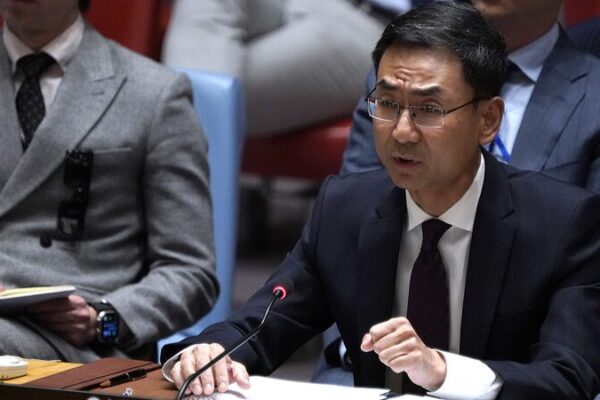
China’s envoy to the UN urges intensified diplomatic efforts and a ceasefire to resolve the Ukraine crisis, advocating for an early political settlement and restoration of peace.

At a meeting in Beijing, Chinese Foreign Minister Wang Yi urged for cooperation and development in the Asia-Pacific region, emphasizing unity over division.
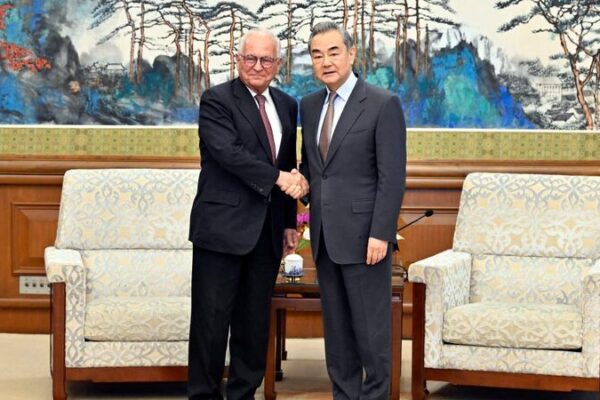
Chinese Foreign Minister Wang Yi met MSC Chairman Wolfgang Ischinger in Beijing to discuss enhancing China-Europe relations and global cooperation, emphasizing China’s role as a stabilizing force.
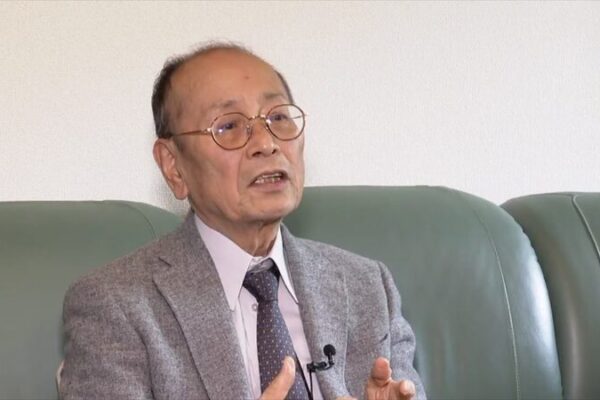
China has expressed concern over Japan’s strengthened military alliance with the U.S., warning it increases conflict risk and threatens regional peace and stability.
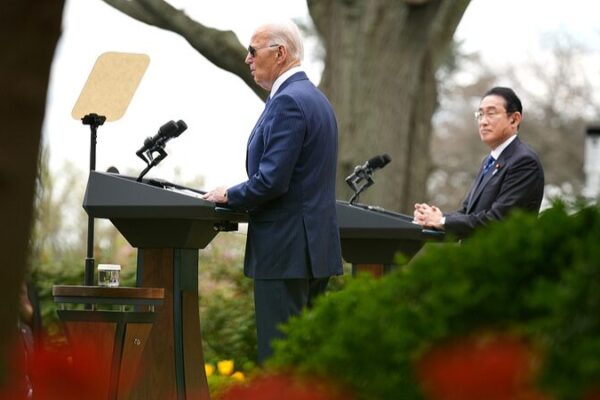
The Chinese embassy in the U.S. has condemned a joint statement by the U.S. and Japan, accusing them of interfering in China’s domestic affairs, notably on the Taiwan question and other sensitive issues.
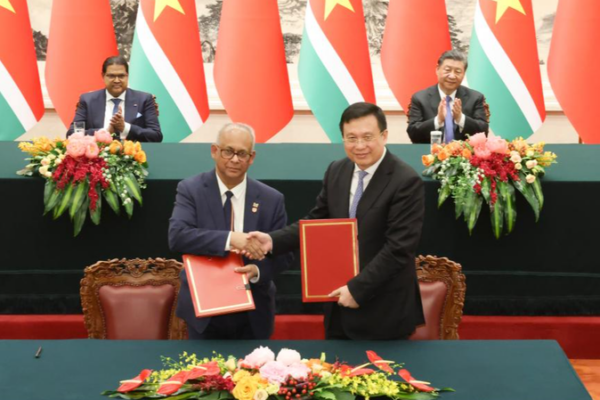
China and Suriname have issued a joint communique to strengthen cooperation in various sectors, including the digital economy and green development, aiming to boost development and progress for both nations.
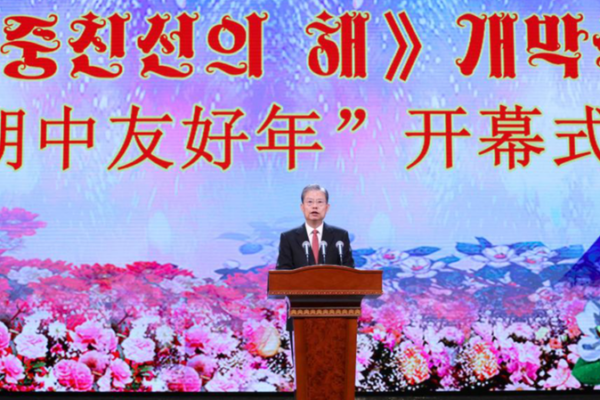
Top legislators from China and the DPRK launched the ‘China-DPRK Friendship Year,’ strengthening ties and cooperation between the two nations.
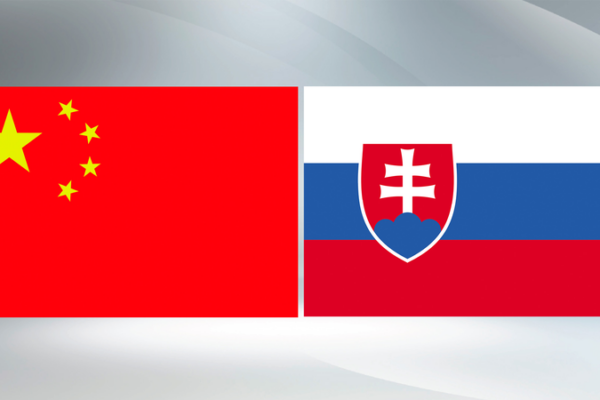
China and Slovakia commemorate 75 years of diplomatic relations, opening a new chapter of cooperation and mutual development.

China and Suriname have pledged to deepen cooperation under the Belt and Road Initiative, as Presidents Xi Jinping and Chandrikapersad Santokhi met in Beijing to strengthen strategic ties.

China calls for immediate ceasefire in the Gaza conflict and pledges to play a constructive role in resolving the Middle East issue, according to the Chinese Foreign Ministry.
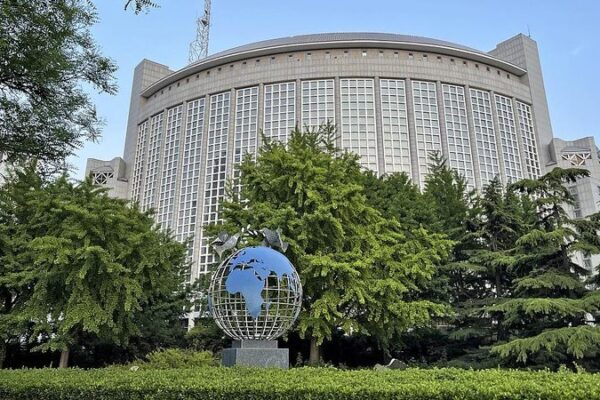
China reaffirms its sovereignty over the South China Sea and opposes external interference, following a US-led summit with Japan and the Philippines criticizing China’s maritime activities.

Recent high-level visits by European officials to Beijing signal a renewed commitment to cooperation between China and Europe, highlighting shared interests and a willingness to strengthen ties.

China supports the IAEA’s efforts to ensure safety at the Zaporizhzhia Nuclear Power Plant after recent drone attacks, highlighting the urgency to prevent nuclear accidents in the conflict zone.

Heavy clashes erupted in Libya’s capital, Tripoli, as rival armed groups exchanged fire, causing panic among residents. Authorities urge people to stay indoors for safety amid the escalating violence.
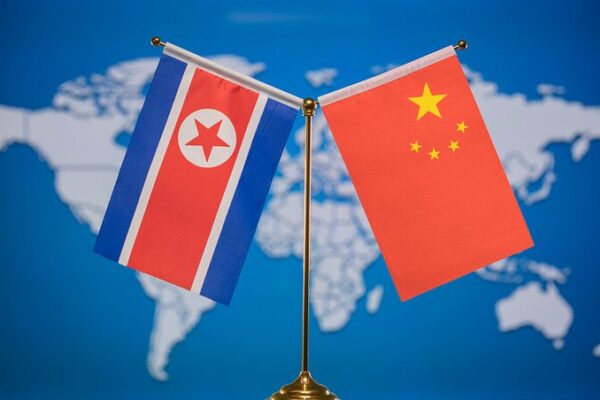
China’s top legislator Zhao Leji met with DPRK’s Choe Ryong Hae in Pyongyang, aiming to strengthen bilateral ties during the 75th anniversary of diplomatic relations between China and the DPRK.

China urges the Philippines to resume dialogue over the Ren’ai Jiao issue, emphasizing peaceful negotiation and regional stability.
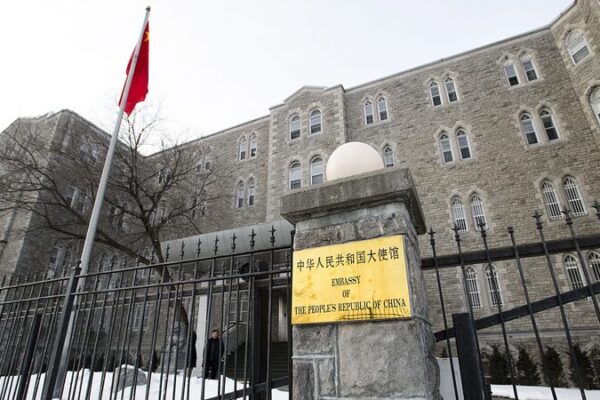
China urges Canada to stop promoting unfounded claims of ‘Chinese interference,’ emphasizing the need to respect facts and improve bilateral relations, according to the Chinese embassy.