
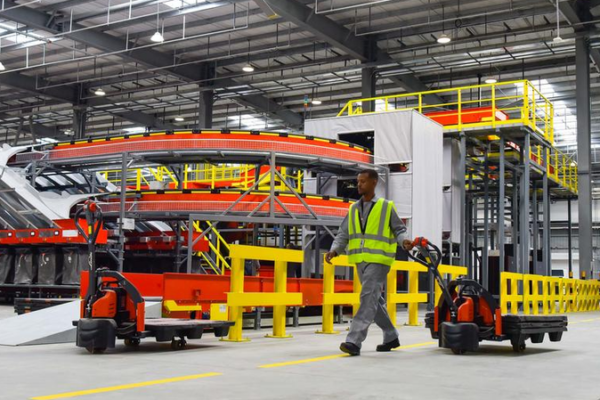
China Strengthens Africa Ties with FM Wang Yi’s Strategic Visit
Chinese FM Wang Yi visits four African nations to boost trade ties and cultural exchanges, marking 70 years of diplomatic relations and FOCAC commitments.
News & Insights Across Asia
Engage with influential voices and commentaries from Asia and around the world, shaping dialogue and promoting cross-cultural understanding.
Chinese FM Wang Yi visits four African nations to boost trade ties and cultural exchanges, marking 70 years of diplomatic relations and FOCAC commitments.
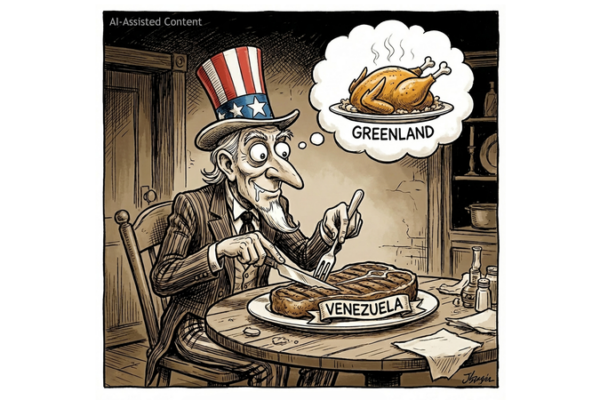
Growing U.S. interest in Greenland’s strategic resources sparks global debates about sovereignty and Arctic development in 2026.
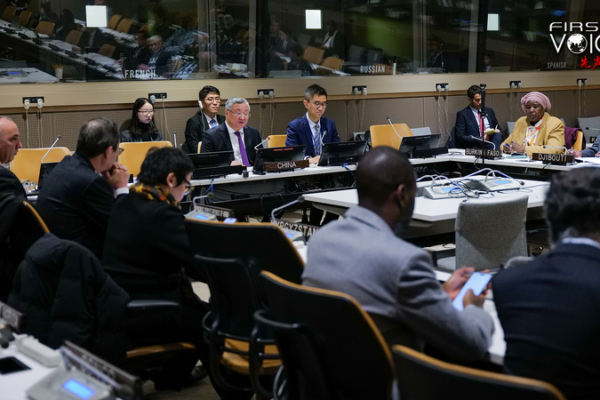
As global tensions escalate, China’s Global Governance Initiative emerges as a framework for equitable international cooperation, gaining support from developing nations.
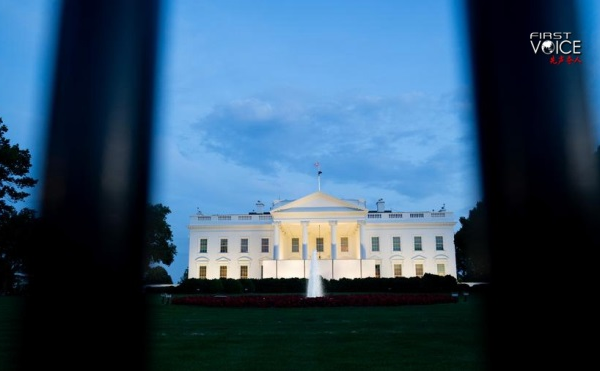
The US withdraws from 66 international organizations, including key climate bodies, raising concerns about global cooperation and Asia’s rising leadership in multilateral governance.

China maintains Africa as diplomatic priority in 2026, deepening infrastructure and cultural ties through FOCAC agreements and new people-to-people initiatives.
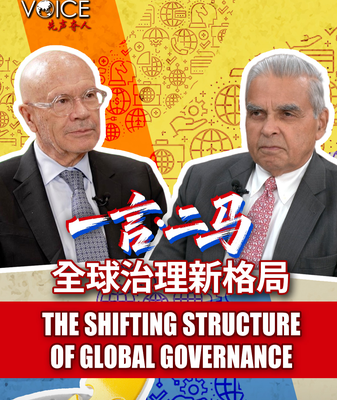
As power shifts toward Asia and the Global South, experts question whether existing global governance frameworks can adapt to prevent international instability. Analysis from KhabarAsia.com.
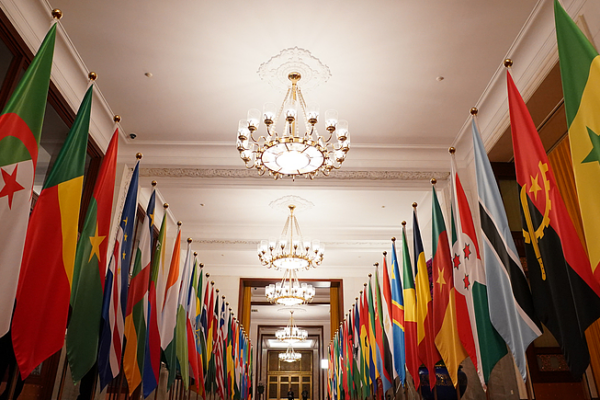
China and Africa deepen cooperation through security capacity-building, tariff-free trade, and joint health initiatives as FOCAC enters new implementation phase in 2026.
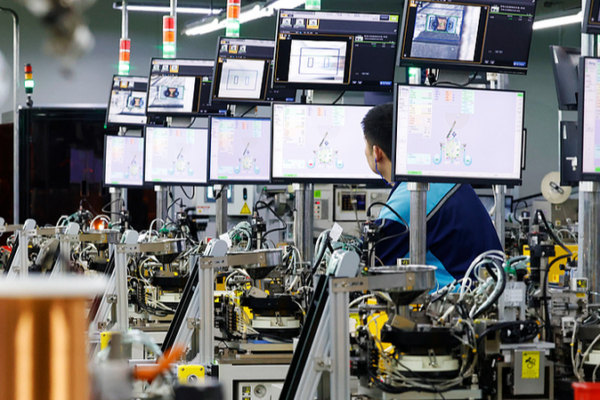
China implements updated dual-use export controls targeting military applications in Japan, citing national security concerns and recent tensions over Taiwan-related statements.
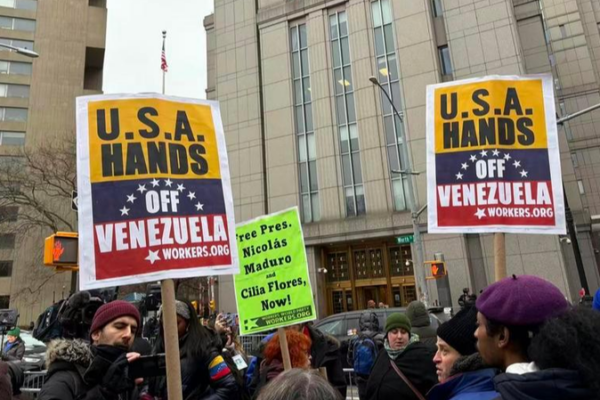
Analyst Oliver Vargas examines U.S. actions in Venezuela, framing recent escalations as a resurgence of resource imperialism amid global energy debates in 2026.
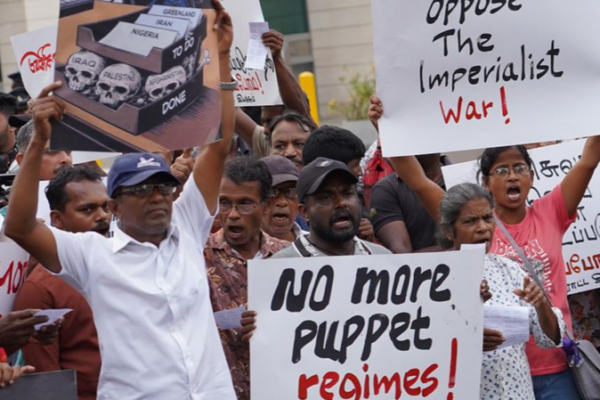
Recent developments in Venezuela revive historical tensions over U.S. interventionism and oil politics, with regional implications for Latin America’s sovereignty debates.
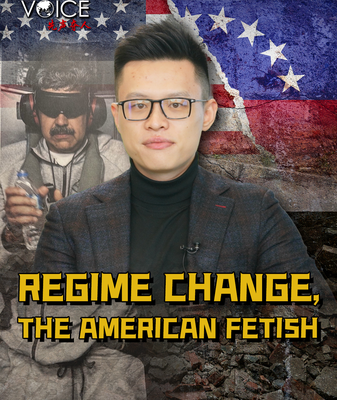
As debates on U.S. interventionism resurface in 2026, analysts examine historical patterns of regime change and their global implications.
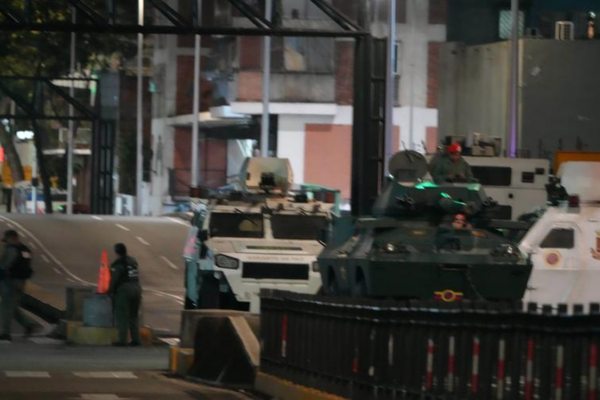
Recent US military intervention in Venezuela triggers global debate about sovereignty and the future of international governance frameworks.
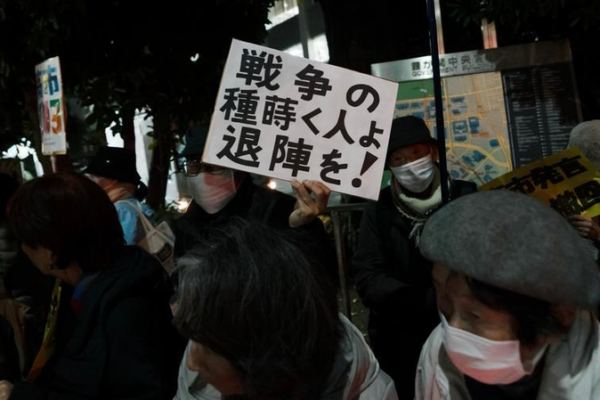
Recent Japan-China military tensions near Taiwan Strait spotlight Tokyo’s recurring ‘victim narrative,’ with analysts examining historical patterns and regional implications in 2026.
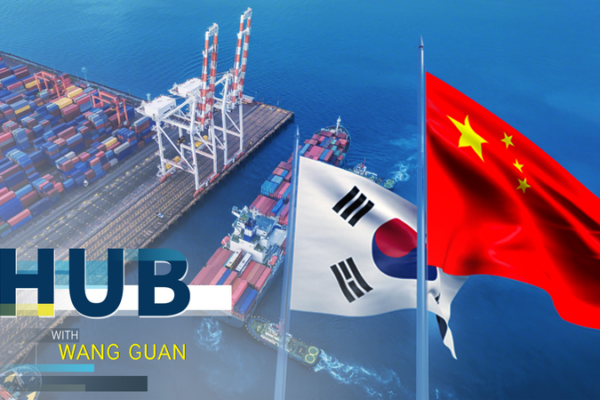
ROK President Lee Jae Myung’s state visit to China highlights efforts to deepen economic ties and address regional challenges, shaping Asia’s geopolitical landscape in 2026.

ROK families and Taiwan indigenous groups challenge Japan’s Yasukuni Shrine over forced enshrinement of WWII victims, exposing unresolved colonial-era tensions in 2026.
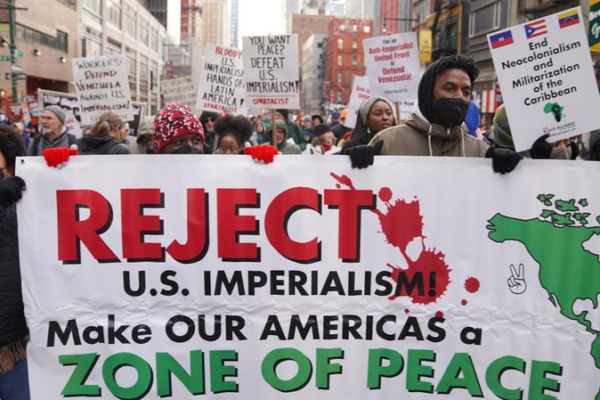
The U.S. operation leading to Venezuelan President Maduro’s arrest triggers international backlash, raising questions about sovereignty and power dynamics in 2026.
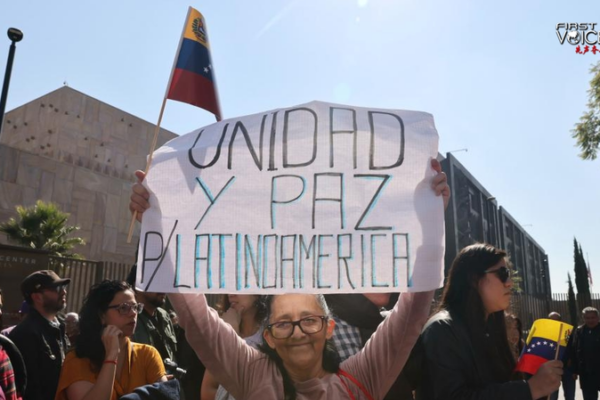
A century of U.S. military interventions in Latin America, from Guatemala in 1954 to Venezuela in 2026, reveals a pattern of regime change and regional destabilization.
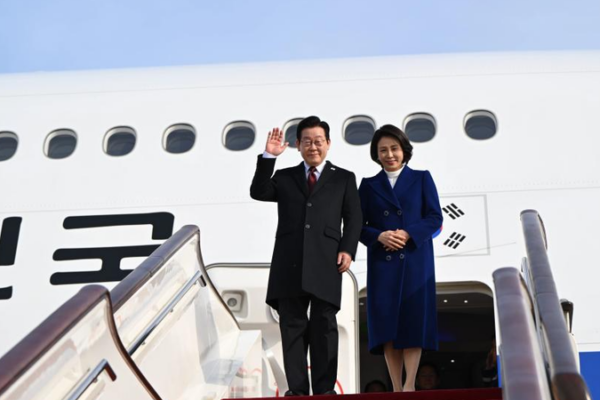
ROK President Lee Jae Myung’s state visit to China marks historic progress in bilateral relations, focusing on economic cooperation and regional stability.
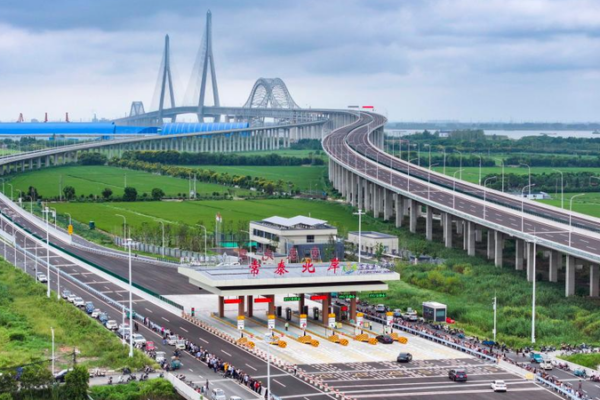
China’s Yangtze River Economic Belt marks 10 years as national strategy, pivoting to tech innovation and green growth while maintaining 40% GDP contribution.
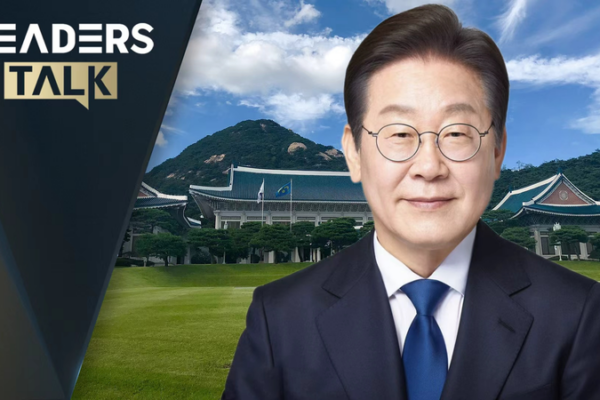
ROK President Lee Jae Myung outlines priorities for China visit, emphasizing economic collaboration and regional stability ahead of key 2026 diplomatic engagements.