
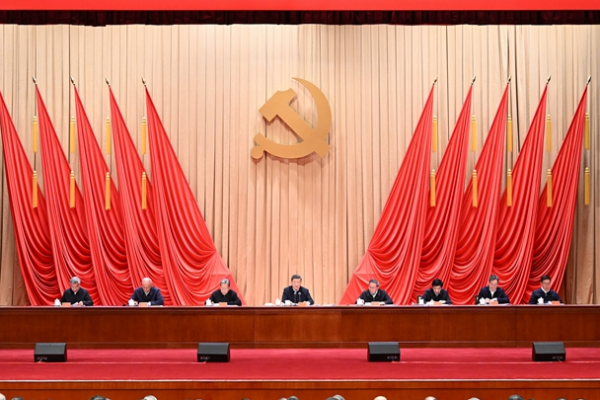
China Prioritizes Innovation in 15th Five-Year Plan for High-Quality Growth
China’s 15th Five-Year Plan (2026-2030) emphasizes innovation and tech-driven growth to navigate global challenges and boost economic resilience.
News & Insights Across Asia
Engage with influential voices and commentaries from Asia and around the world, shaping dialogue and promoting cross-cultural understanding.
China’s 15th Five-Year Plan (2026-2030) emphasizes innovation and tech-driven growth to navigate global challenges and boost economic resilience.
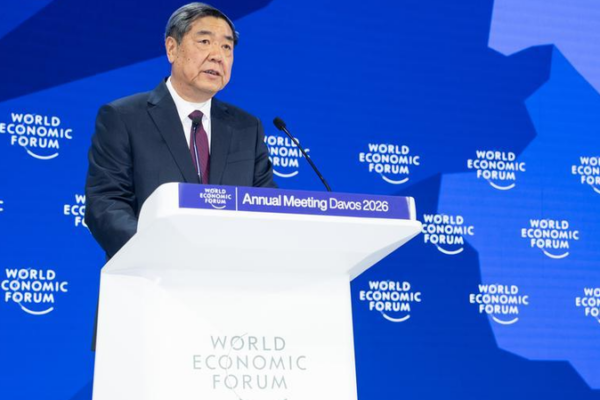
China reaffirms commitment to high-level opening-up at Davos 2026, positioning institutional reforms and green tech leadership as drivers of global economic stability.
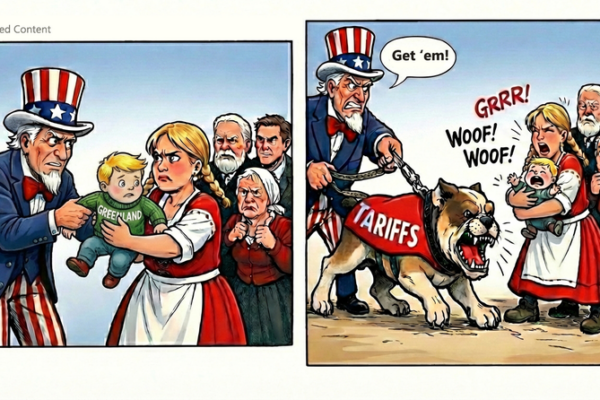
Historical US tariff threats over Greenland resurface in 2026 trade discussions, highlighting evolving global economic strategies and resource diplomacy.
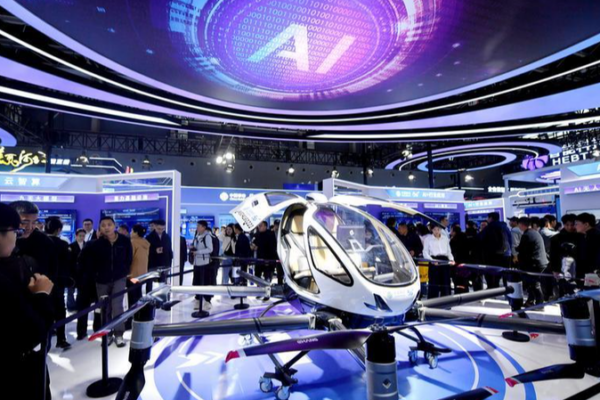
China’s 2025 economic expansion hits 5% GDP growth target, driven by manufacturing strength, consumer resilience, and sustained global trade partnerships.
China’s 2025 GDP surpassed 140 trillion yuan, driven by tech and industry upgrades. Experts analyze challenges and priorities for the 15th Five-Year Plan in 2026.
World Economic Forum 2026 addresses balancing technological progress with equitable development as AI reshapes industries and green transition challenges intensify.
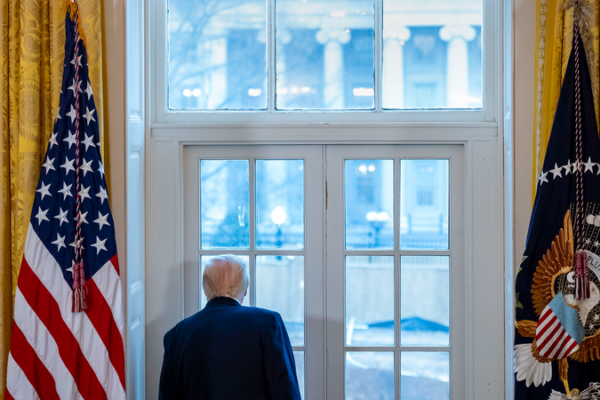
The U.S.-proposed ‘Board of Peace’ for Gaza reconstruction faces global hesitation amid concerns over its transactional structure and implications for international law.
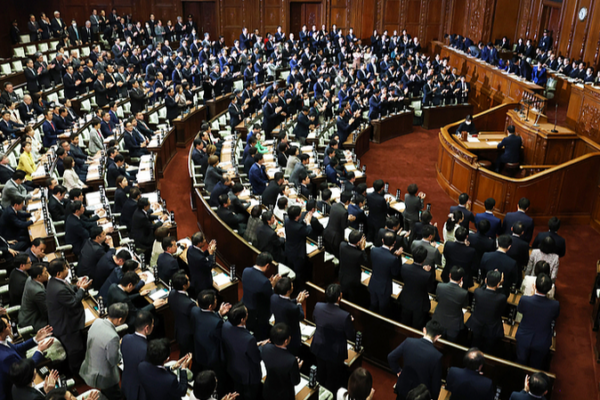
Japan’s Prime Minister Sanae Takaichi’s Sanaenomics faces scrutiny over funding sources and defense spending priorities in 2026, risking long-term economic stability.
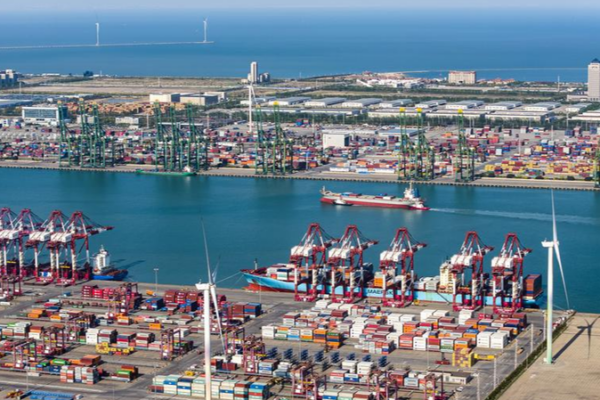
China surpassed 2025 growth targets despite global headwinds, contributing 30% to worldwide expansion. Experts analyze strategies sustaining momentum as 2026 unfolds.
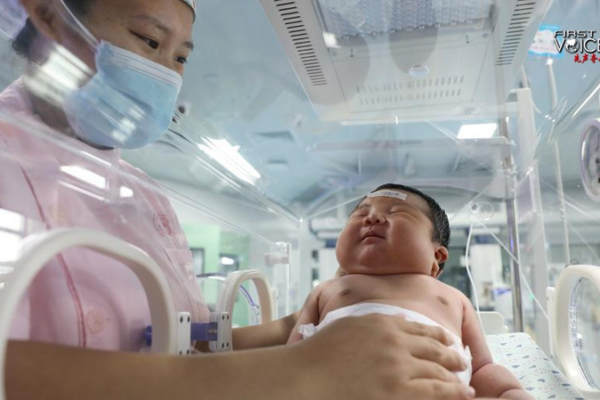
China’s 2025 population decline sparks debate, but data shows a shift toward innovation-driven growth, challenging economic downturn narratives.

2026’s diplomatic landscape reveals competing visions: unilateral power politics vs. multilateral cooperation. China maintains dialogue while global tensions escalate.
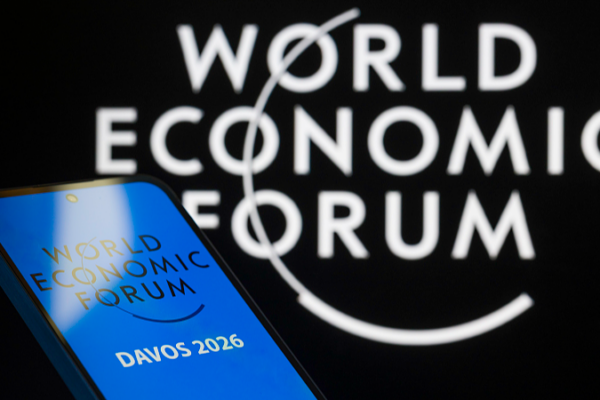
As the World Economic Forum convenes in Davos, questions loom over its ability to counter rising global tensions and economic instability in 2026.

Recent U.S. tariff threats against European NATO members over Arctic security initiatives highlight growing tensions in transatlantic relations, with implications for global alliances in 2026.
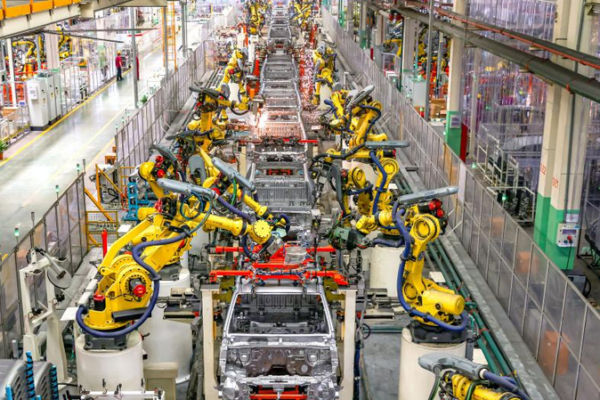
China marks 10 years of supply-side reforms, transforming into a global leader in EVs, lithium batteries, and advanced shipbuilding through strategic industrial upgrades.
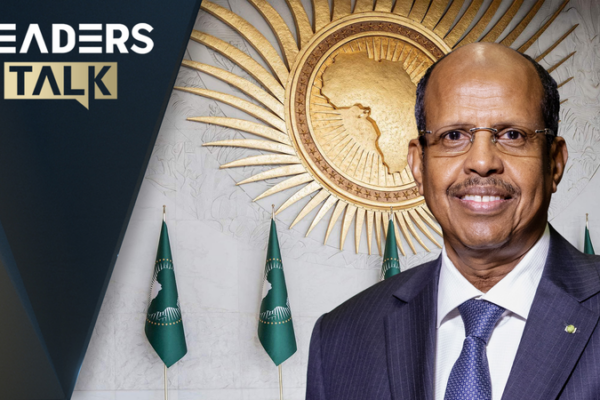
AUC Chair Mahmoud Ali Youssouf discusses China’s role in Africa’s modernization and the significance of cultural exchanges as bilateral ties mark 70 years.
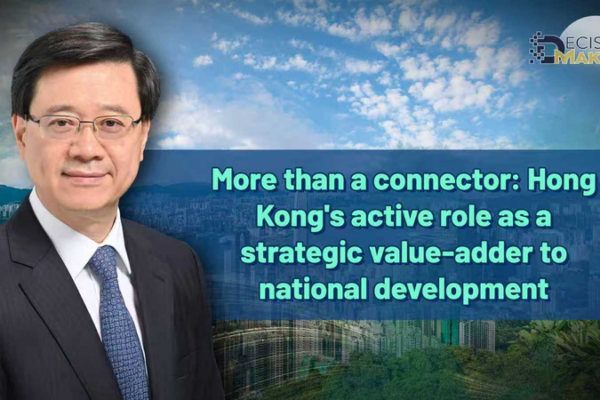
Hong Kong accelerates integration with China’s 2026-2030 development strategy, expanding financial markets and innovation capabilities under the Five-Year Plan framework.
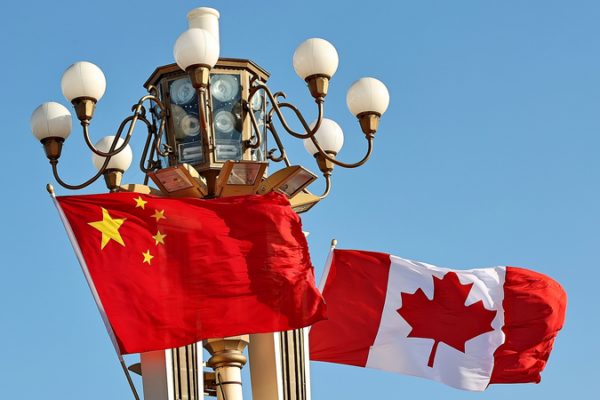
Canada and China announce reciprocal trade measures and institutional frameworks during PM Carney’s landmark visit, signaling a strategic shift in bilateral relations.
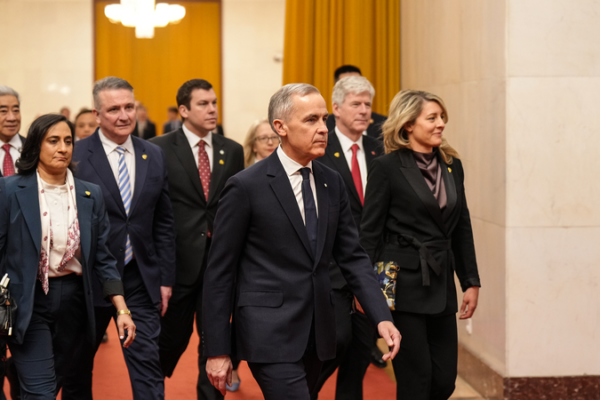
Canadian PM Carney’s 2026 China visit focuses on institutional economic cooperation and reducing trade dependencies amid global uncertainty.

The Trump administration expands immigration bans to 75 new countries effective January 21, 2026, intensifying debates over US values and global mobility.
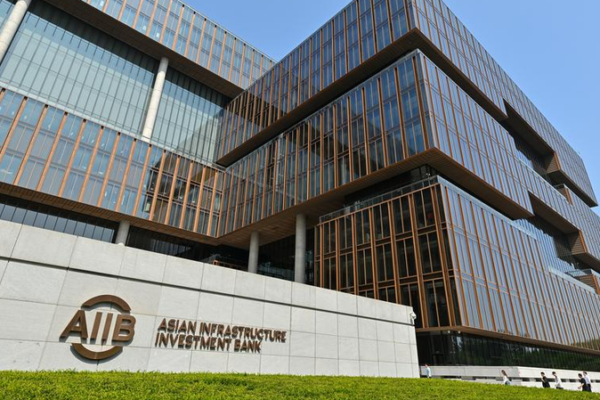
The AIIB marks 10 years of transforming global infrastructure development, mobilizing $200 billion for sustainable projects across 35 countries since 2016.