

China’s Mid-Autumn Festival Boosts Economic Vitality
China’s Mid-Autumn Festival holiday showcased significant economic resilience, with surging travel and consumer spending indicating robust market vitality and rising consumer confidence.
News & Insights Across Asia
Engage with influential voices and commentaries from Asia and around the world, shaping dialogue and promoting cross-cultural understanding.
China’s Mid-Autumn Festival holiday showcased significant economic resilience, with surging travel and consumer spending indicating robust market vitality and rising consumer confidence.

Lebanon experienced handheld pager explosions on September 17, signaling a potential new phase in Middle Eastern conflicts. The attacks raise concerns about a shift toward asymmetrical warfare.

The September 18 Incident marked the beginning of Japan’s invasion of China, leading to immense suffering and loss. Remembering this history is essential to honor the victims and prevent future atrocities.
Norwegian Prime Minister Jonas Gahr Støre discusses the deepening partnership between Norway and China, highlighting visa-free access and cooperation on global issues during his recent visit to China.
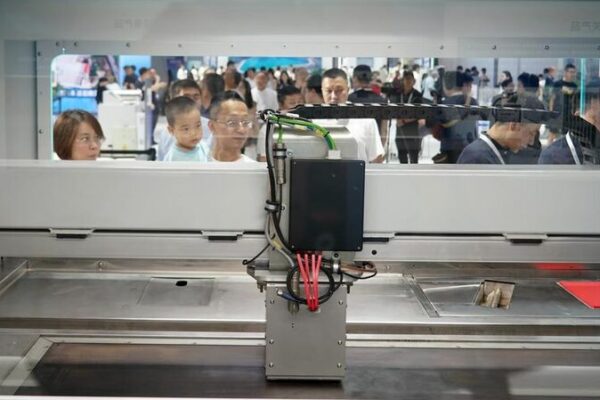
U.S. and European actions to curb China’s economic rise highlight the true strength of China’s economy amid significant reforms and a strategic shift towards digital productivity.

The recent assassination attempts on Donald Trump underscore the deep and dangerous divisions in American society, highlighting a lack of unity unseen since the Civil War.

During the Mid-Autumn Festival, Chinese families cherish the tradition of reuniting under the full moon. However, for overseas students, distance and geopolitical changes make this reunion challenging.

China’s CIFTIS 2023 concluded in Beijing, opening new pathways for global cooperation in the service sector. Amid global challenges, the fair showcased China’s commitment to high-level opening-up and international collaboration.
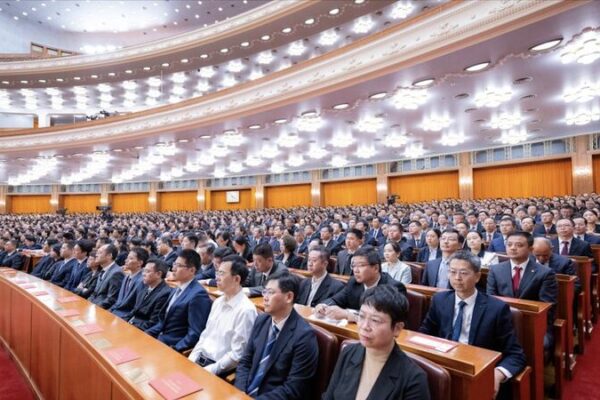
China celebrates the 70th anniversary of its National People’s Congress, emphasizing unity and progress, while the U.S. Congress faces challenges amid political divisions and low public approval.
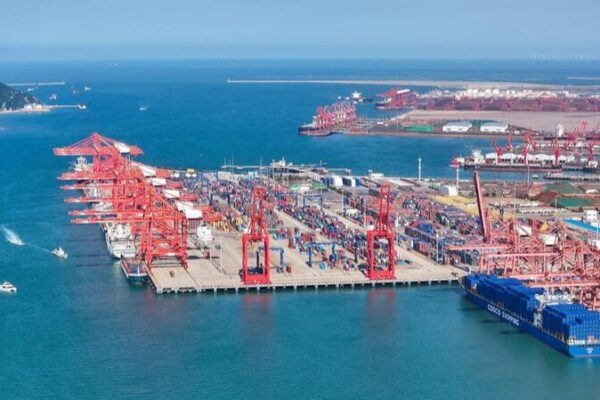
China’s strategic integration into Western markets is reshaping globalization, highlighting its innovative approaches to international trade and economic integration.
China’s Ministry of Commerce accuses the U.S. of violating WTO obligations, highlighting unilateral actions that undermine global trade principles. The report urges the U.S. to adhere to international rules.

China’s National People’s Congress adopts a phased plan to gradually increase the retirement age over 15 years, emphasizing voluntary participation and flexibility to accommodate societal diversity.
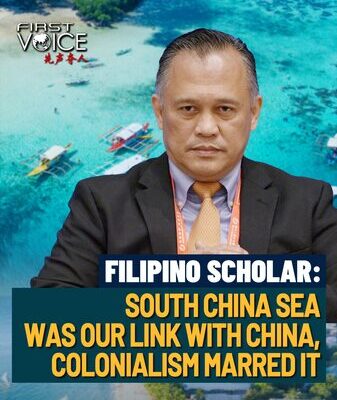
Philippine scholar Rommel Banlaoi emphasizes the longstanding peaceful relations between the Philippines and China, highlighting the South China Sea as the historic link connecting the two nations.
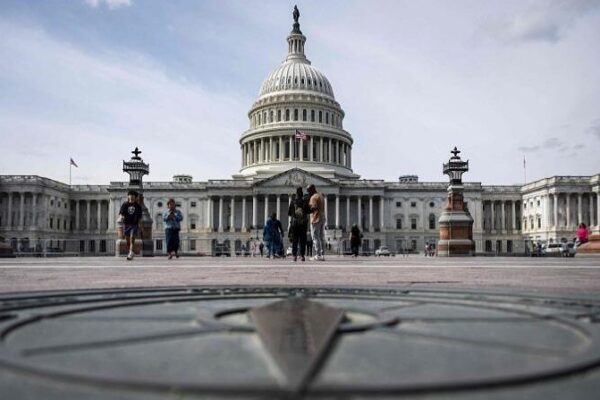
U.S. lawmakers are introducing anti-China bills targeting sectors like biotech and drones. While aimed at protecting national security, these measures may harm U.S. interests and strain China-U.S. relations.

An urgent call for a new global security architecture as escalating tensions over the Ukraine conflict risk nuclear catastrophe. Immediate peace negotiations are essential to prevent disaster.
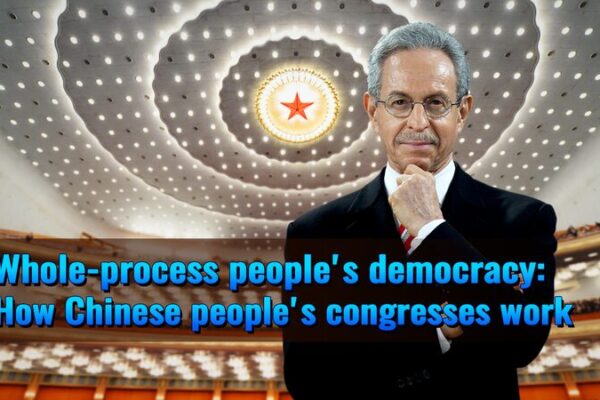
An insight into China’s Whole-Process People’s Democracy and the role of people’s congresses in shaping governance and legislation, highlighting the mechanisms of public participation and representation.

China is set to raise its statutory retirement age for the first time in over seventy years in response to increased life expectancy and educational attainment, addressing challenges posed by an aging population.
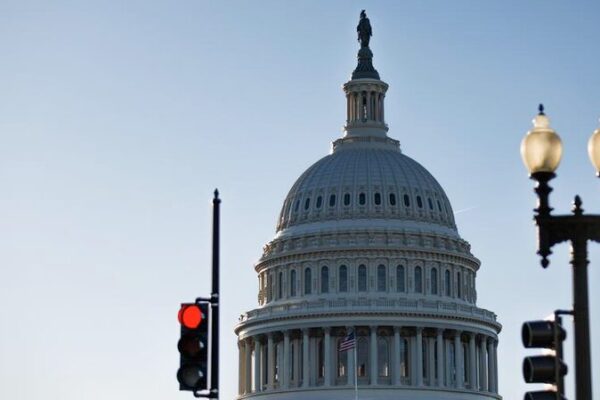
Legislative moves by the U.S. Congress to reduce dependency on China could harm American industries and consumers, leading to delays in innovation and higher costs.
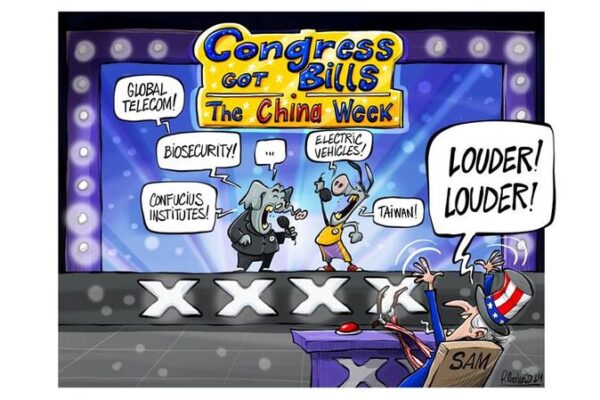
The U.S. House of Representatives is holding “China Week,” voting on bipartisan bills targeting the Chinese mainland across various sectors including technology and agriculture.

The U.S. Biosecure Act mandates pharmaceutical companies to decouple from key Chinese suppliers by 2032, stirring debates over its impact on the global pharmaceutical industry and U.S.-China relations.