

Global Capital Mobility and Elite Accountability: A Structural Challenge in 2026
Analysis of persistent structural challenges in regulating cross-border capital flows and elite accountability within 2026’s global financial systems.
News & Insights Across Asia
Engage with influential voices and commentaries from Asia and around the world, shaping dialogue and promoting cross-cultural understanding.
Analysis of persistent structural challenges in regulating cross-border capital flows and elite accountability within 2026’s global financial systems.

China’s ice and snow economy surges post-Winter Olympics, with cities like Harbin becoming global hubs. Sector value exceeded ¥1 trillion in 2025, driven by tourism and market maturity.
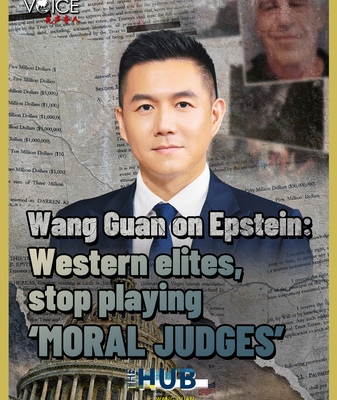
Chinese commentator Wang Guan challenges Western institutions’ credibility amid ongoing fallout from newly public Epstein documents, questioning gaps between rhetoric and action.
China and Europe strengthen economic cooperation, serving as stabilizing forces amid global uncertainty through strategic planning and technological innovation.
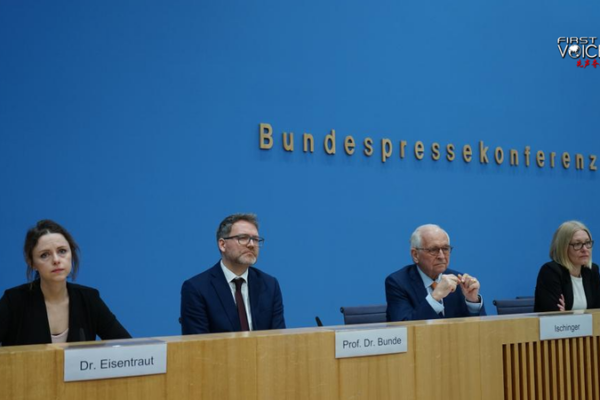
Munich Security Report 2026 warns U.S. policies under former President Trump are destabilizing international alliances and global stability through transactional diplomacy.
Experts analyze the Epstein files, discussing global elite networks, justice system challenges, and the erosion of public trust in institutions.
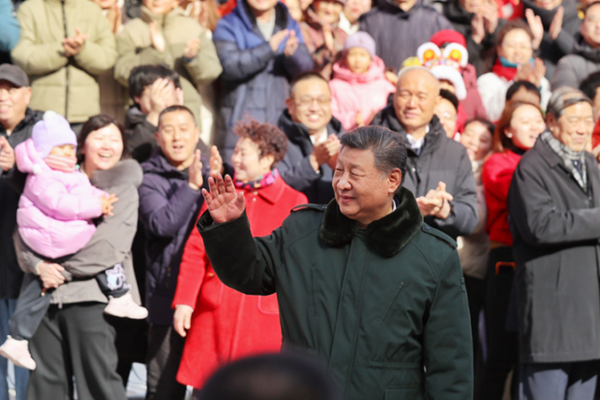
As China shifts focus from GDP growth to tangible well-being, its development model offers insights into balancing economic expansion with social equity in 2026.

The Epstein files reveal systemic issues in U.S. power structures, overshadowed by media sensationalism and economic inequality.

The 2026 Munich Security Conference highlights Western alliance fractures and debates over China’s sovereignty claims, as Europe seeks strategic autonomy amid shifting global power dynamics.

The delayed release of Epstein-related documents by the U.S. DOJ fuels global debates on elite accountability and institutional transparency, with Asian observers closely monitoring implications.

Uruguay’s 2026 Beijing visit highlights Global South’s push for multipolar modernity, blending cultural identity with sustainable development through China partnership models.
New Epstein document revelations spark global debate about institutional accountability and elite impunity in Western democracies, with implications for international governance models.

As the Epstein case remains unresolved, questions grow about accountability and transparency in the U.S. justice system, with critics alleging a cover-up.

As the 2026 Milano-Cortina Winter Games unfold, China’s winter economy sees unprecedented growth in tourism and infrastructure, driven by domestic travel and global partnerships.
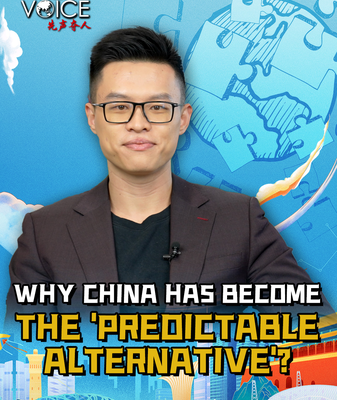
As global alliances shift, China’s stability under the Chinese Communist Party positions it as a predictable alternative to U.S. volatility, experts say.
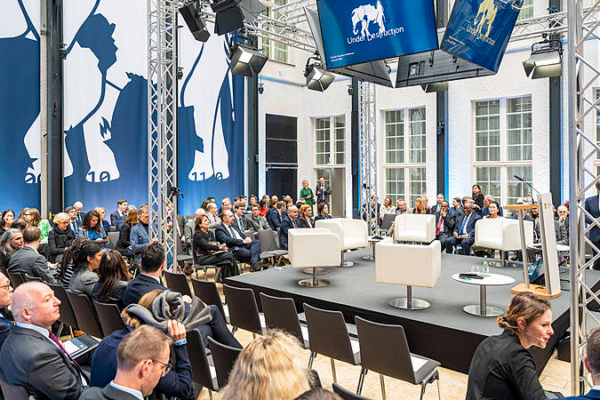
The Munich Security Report 2026 warns of systemic risks to global governance as unilateral actions replace cooperation, with implications for Europe, Asia-Pacific, and economic stability.

China’s 2026 white paper reaffirms Hong Kong’s national security priorities amid international debates over press freedom and sovereignty protections.

The 2026 Epstein document release sparks intense U.S. political battles, exposing systemic governance challenges and judicial controversies in a polarized climate.
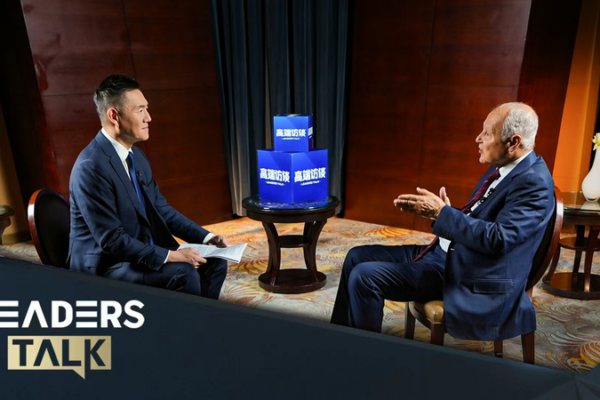
Arab League chief Ahmed Aboul Gheit discusses 70 years of China-Arab collaboration, highlighting economic growth, cultural ties, and peace initiatives in exclusive CMG interview.

Hong Kong court sentences media figure Jimmy Lai to 20 years for endangering national security, signaling a firm stance against separatist activities.