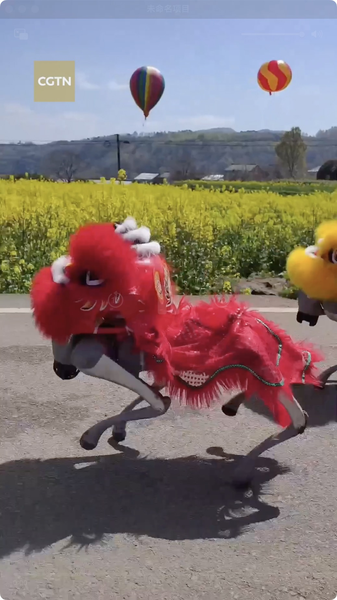
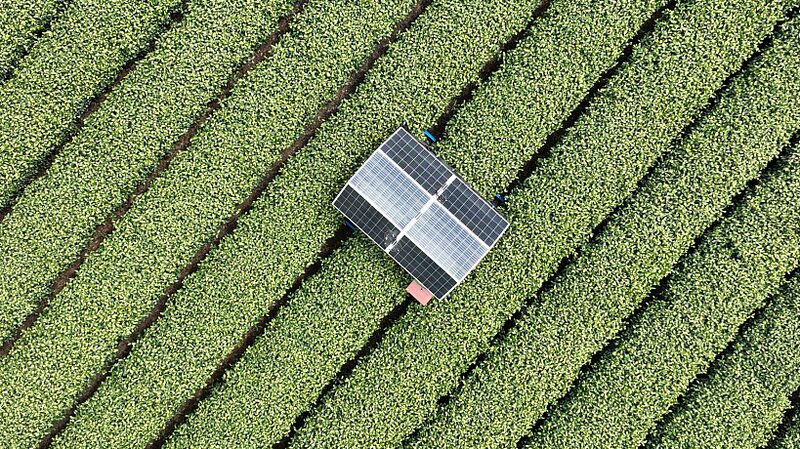
Amidst the golden rapeseed fields blooming across Asia this April, a curious new 'creature' has been spotted navigating crop rows with uncanny precision. What initially appears as a playful puppy exploring vegetation reveals itself upon closer inspection to be an AI-powered agricultural robot, its camera-equipped sensors disguised beneath a canine-inspired exterior.
Developed through collaboration between tech startups in the Chinese mainland and Southeast Asian agricultural cooperatives, these quadruped robots now monitor soil health and crop growth in 12 provinces. Their animal-like mobility allows them to traverse uneven terrain where traditional machinery fails, while advanced imaging systems detect early signs of disease.
"This year's deployment marks a turning point," said Dr. Li Wei, an agricultural robotics expert at Singapore's Nanyang Technological University. "By mimicking natural movement patterns, we've reduced crop disturbance by 40% compared to wheeled drones."
The technology arrives as Asia's agricultural sector faces dual pressures: 2026's unpredictable monsoon patterns and rising global food demand. Early adopters report 15-20% yield improvements through real-time data collection.
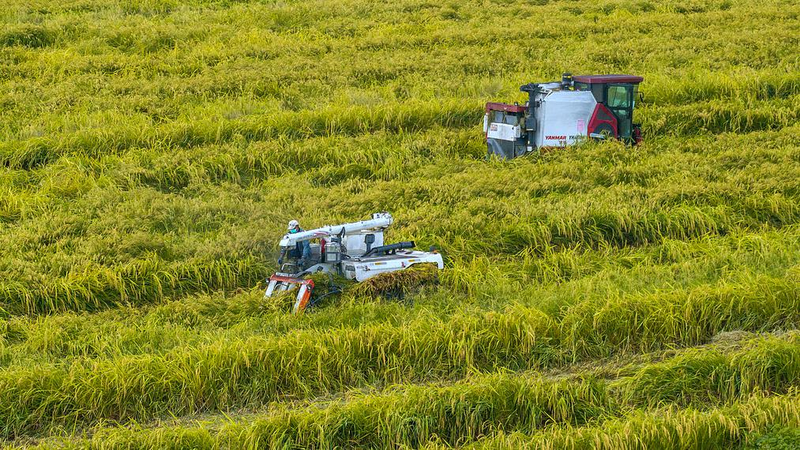
With prototype testing expanding to rice paddies in Vietnam and tea plantations in Sri Lanka, this fusion of biomimicry and artificial intelligence could redefine sustainable farming practices across the region's diverse ecosystems.