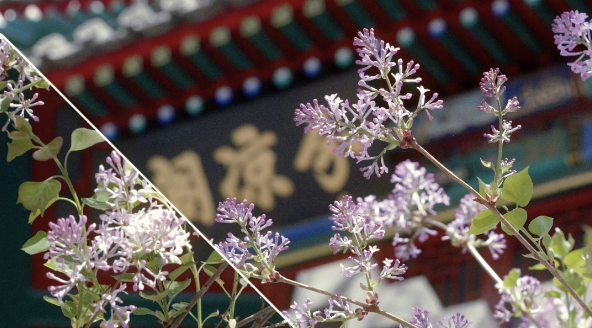
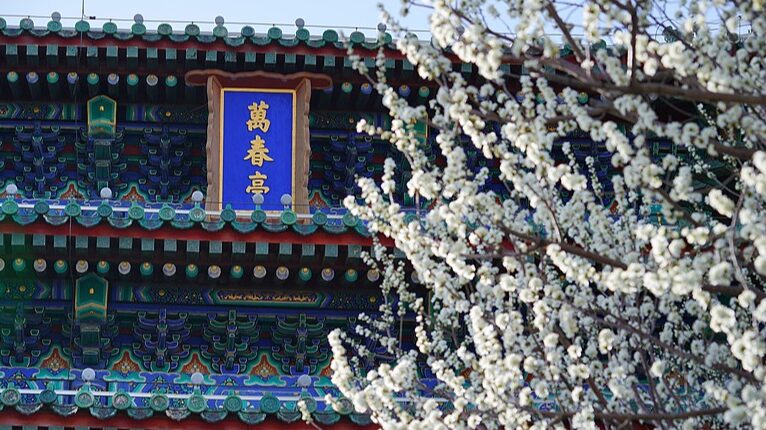
Beihai Park has transformed into a fragrant oasis this week as its iconic lilac bushes reach peak bloom, offering residents and travelers alike a vivid celebration of spring in the Chinese capital. More than 800 lilac trees now perfume the air across the 1,000-year-old imperial garden, with white and purple blossoms framing traditional pavilions and lakeside vistas.
"This year's bloom arrived slightly earlier due to warmer temperatures," said park director Zhang Wei, noting the flowers typically peak between mid-March and late April. "We're seeing record visitor numbers, especially during morning hours when the scent is strongest."
The floral display coincides with Beijing's annual Lilac Cultural Festival, featuring guided botanical walks and traditional music performances. Cultural preservationists highlight the flower's historical significance – lilacs were first planted here during the Liao Dynasty (907-1125) as symbols of renewal.
For overseas investors eyeing China's tourism recovery, the spectacle demonstrates Beijing's growing emphasis on ecological urban development. The park recently expanded its sustainable irrigation systems and introduced real-time crowd management through smart city technologies.
Asian diaspora communities are sharing bloom updates through social media, with user-generated content showing families posing beneath flower-laden arches. "It feels like home," said Liu Mei, a Beijing native now living in Toronto, via video call. "These lilacs connect us to our heritage, even from thousands of miles away."
Travelers planning visits should note the peak viewing period lasts through late April, with extended evening hours on weekends. Cultural explorers can combine their visit with nearby attractions like the Palace Museum, creating a full day of historical immersion.