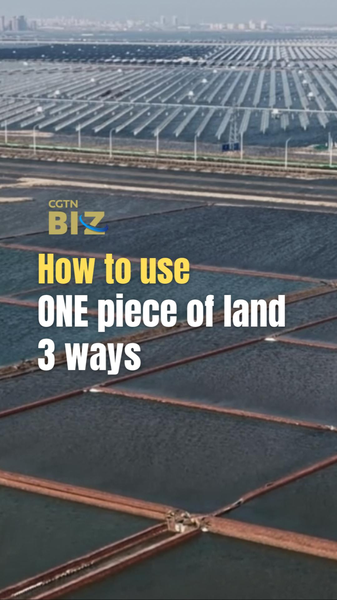
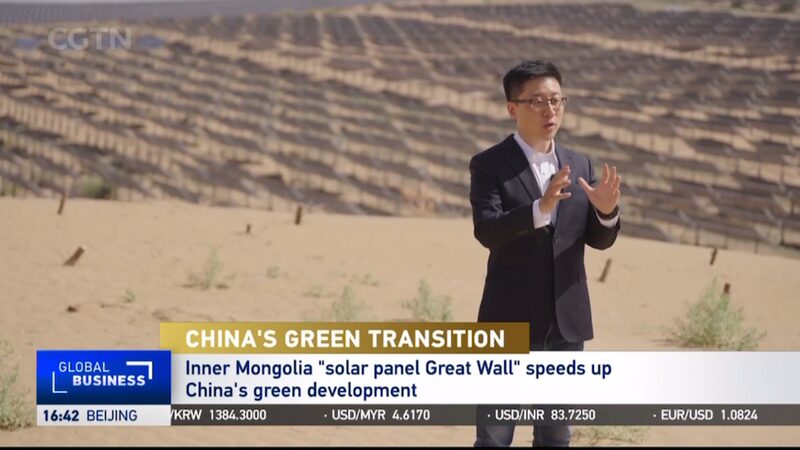
In a groundbreaking approach to sustainable development, coastal salt fields in the Chinese mainland are now simultaneously generating clean energy, cultivating seafood, and maintaining traditional salt production. Tianjin's 200,000-acre integrated project demonstrates how innovative land use can address multiple challenges in food security and renewable energy.
The 'solar-salt' initiative combines photovoltaic panels suspended above salt evaporation ponds with aquaculture systems below. This year, the project is projected to save 110,000 tonnes of coal equivalent in energy production while maintaining an annual salt output of 1.1 million tonnes. Meanwhile, shrimp farms operating beneath the solar arrays have reported 20% higher yields compared to conventional methods, attributed to controlled shading from the overhead panels.
'This model proves environmental and economic goals can align,' says Tianjin Energy Office spokesperson Zhang Wei. 'The solar panels reduce water evaporation by 30%, creating ideal conditions for both salt crystallization and aquaculture.'
The project has attracted attention from APEC members seeking multi-purpose coastal solutions. With 40% of the Taiwan Strait's coastal regions having similar geographical characteristics, researchers suggest this approach could inspire cross-strait cooperation in renewable energy development.