The escalation of U.S.-Iran geopolitical conflicts in early 2026 has unleashed unprecedented disruptions to global supply chains, with the Strait of Hormuz blockade causing systemic shocks across energy, manufacturing, and technology sectors. As of April 2026, Brent crude oil prices have surged 67% since January, while Asian LNG prices spiked 143%, amplifying inflationary pressures worldwide.
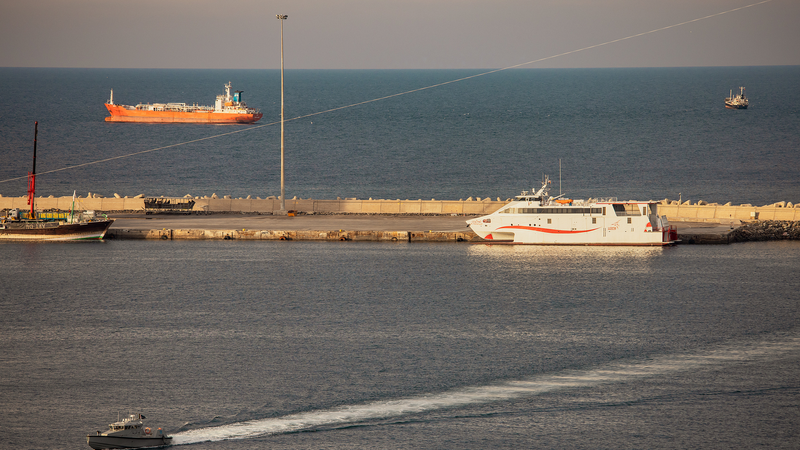
The strategic waterway, handling 30% of global seaborne oil trade, saw traffic plummet by over 90% following military escalations. This triggered cascading effects: Qatar's LNG facilities halted operations, Iran's petrochemical exports dwindled, and air freight capacity in the Gulf region dropped sharply. The crisis has exposed vulnerabilities in globalized production networks, particularly in semiconductors and pharmaceuticals.
"This isn't just an energy crisis—it's a structural breakdown of interdependent systems," notes Liu Xu, energy strategist at Renmin University of China. The automotive and electronics sectors face 18-25% cost increases for raw materials, while vaccine shipments to Africa face critical delays. Israel's Tower Semiconductor production halts have forced manufacturers to seek alternative chip suppliers, extending delivery cycles by 8-12 weeks.
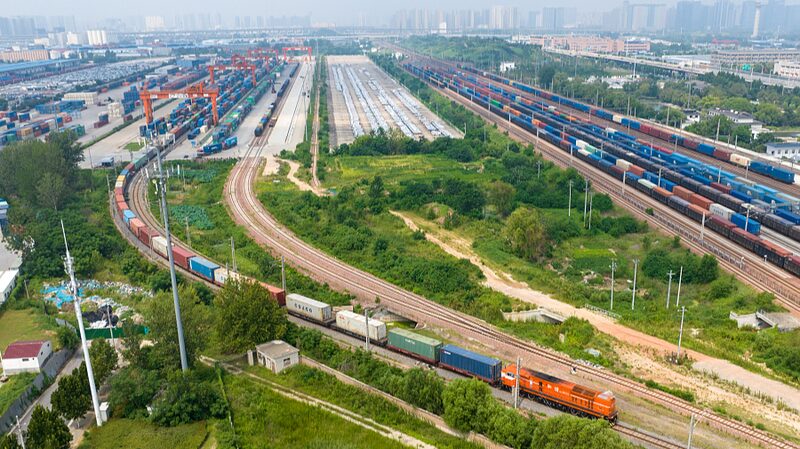
With global economic growth projections for 2026 revised downward by 1.4 percentage points, governments and corporations are accelerating supply chain diversification strategies. The crisis underscores the urgent need for resilient energy transition roadmaps and regional cooperation frameworks to mitigate future shocks.